
SRAG Cases Rise in Brazil, Driven by Rhinovirus adn COVID-19, New Data Shows
BRASÍLIA – A new report from Infogipe indicates a concerning trend of Severe Acute Respiratory Illness (SRAG) cases across Brazil, with increases particularly noted in the South and Northeast regions. While influenza A and Respiratory Syncytial Virus (VSR) remain factors, the study highlights a growing contribution from Rhinovirus and, notably, COVID-19.
The data, analyzed thru 2025, reveals a total of 168,538 SRAG cases, with 53.4% testing positive for a respiratory virus. Influenza A accounts for 24.3% of positive cases, while influenza B represents only 1.1%. Though,respiratory syncytial viruses comprise 44.7% of positive results, with Rhinovirus leading at 47% and SARS-CoV-2 (COVID-19) at 14%.
Recent epidemiological analysis of the last four weeks shows a shift in prevalence among fatal cases: 23.8% attributed to influenza A, 2.2% to influenza B, 18.1% to VSR, 27.9% to Rhinovirus, and 26.7% to COVID-19.
Several states are experiencing heightened SRAG incidence with a concerning long-term growth trend, including Amapá, Amazonas, the Federal District, Espírito Santo, Goiás, and Rio de Janeiro. Six of Brazil’s 27 federative units fall into this category. An additional 14 states are at alert, risk, or high-risk levels, but without a sustained growth pattern. These include Acre, Alagoas, Bahia, Maranhão, Mato Grosso, Mato Grosso do Sul, Minas Gerais, Paraná, Paraíba, Pará, Rio Grande do Sul, Roraima, Santa Catarina, and Sergipe.
Regional variations are also apparent. In the federal District and states like Amapá, Goiás, and Rio de Janeiro, the increase in SRAG cases among children and adolescents is linked to Rhinovirus. Espírito Santo, though, is seeing a rise in cases primarily among the elderly.
Eight capitals - Aracaju, Boa Vista, Campo grande, cuiabá, João Pessoa, Porto Alegre, Salvador, and São Luís – are currently at alert, risk, or high-risk levels for SRAG, though without a clear long-term growth trend. Manaus, Macapá, and Rio de Janeiro are reporting increased cases focused on children and adolescents under 14, while Vitória is experiencing a surge in cases among residents aged 65 and older.
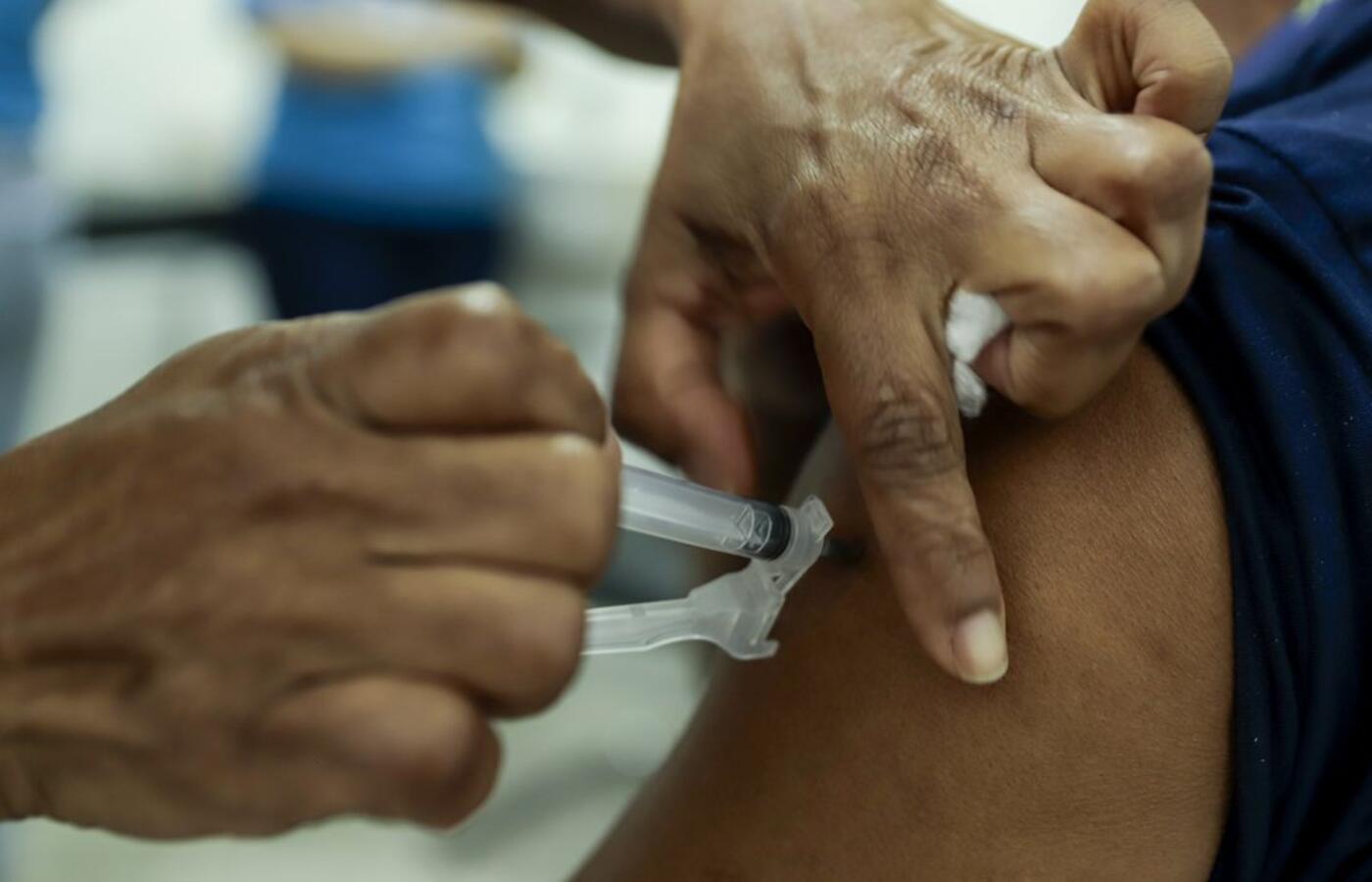
Health officials emphasize the importance of vaccination. Ella points to vaccination against COVID-19 as essential for population protection, stating it remains the primary defense against severe illness and death. Tatiana Portella urges individuals in risk groups to verify thier vaccination status, noting that the elderly should receive booster doses every six months, while immunocompromised individuals require reinforcement annually.
Researchers at Infogipe note that the high case numbers in many states are largely a reflection of the ongoing influenza A and VSR seasons, which are showing signs of decline nationally.
