Indonesia Loses Southeast Asia’s Largest Stock Market Title to Singapore Amid Sharp Market Decline
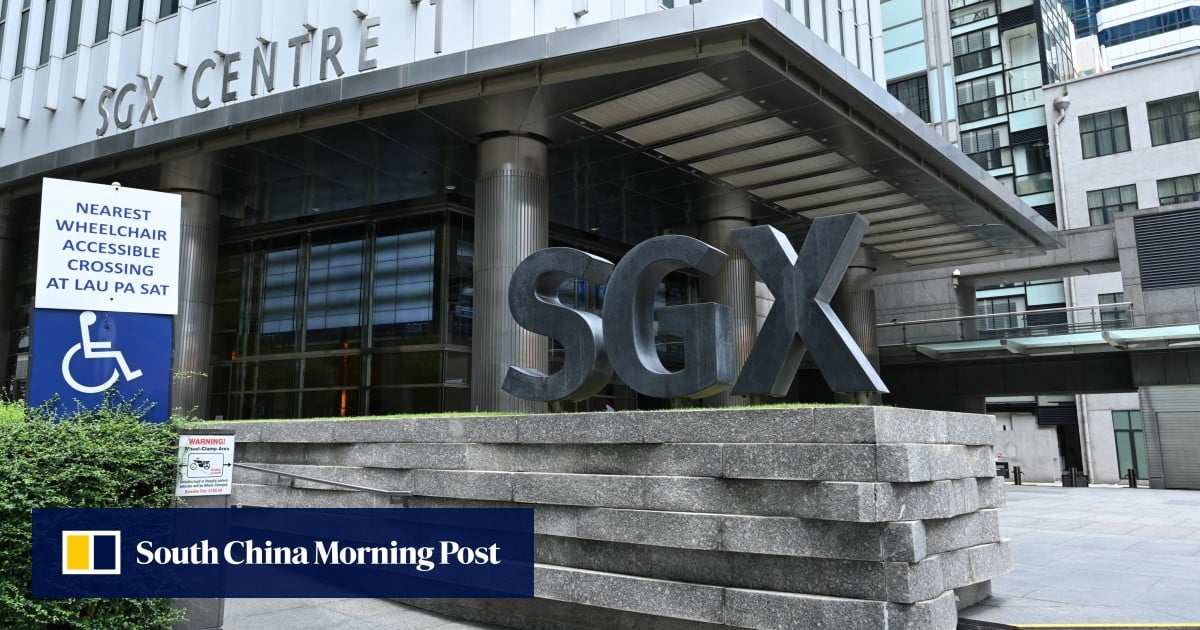
Indonesia has lost its status as Southeast Asia’s largest stock market to Singapore. Following a significant decline in market capitalization, which fell over 30 percent from its January peak to US$618 billion, Singapore’s market has overtaken Indonesia’s, reaching US$645 billion. This shift is driven by increasingly souring investor sentiment and mounting uncertainties regarding equity-related policies within the Indonesian market.
The transition of financial leadership in the ASEAN region marks a pivotal moment for Southeast Asian capital flows. For years, the Indonesian market has served as a primary engine for regional growth, but the recent reversal suggests a fundamental shift in how international and domestic investors perceive risk and stability in the archipelago.
What we have is more than a statistical fluctuation; This proves a signal of changing economic gravity. When a nation’s market capitalization undergoes a contraction of this magnitude, the implications ripple through every level of the economy, from the high-rise offices of Jakarta’s financial district to the long-term planning of municipal infrastructure projects.
The Data Behind the Regional Shift
The divergence between the two markets is stark. While Singapore has maintained an upward trajectory, attracting capital seeking stability, Indonesia has faced a period of significant contraction. The following data illustrates the current landscape of the region’s two leading financial hubs.

| Financial Metric | Indonesia (IDX) | Singapore |
|---|---|---|
| Total Market Capitalization | US$618 billion | US$645 billion |
| Recent Market Trend | Over 30% decline since January peak | Steady increase |
| Regional Standing | Second in Southeast Asia | First in Southeast Asia |
The erosion of value in the Indonesian market is particularly notable because of its speed. A 30 percent drop from a January peak indicates a rapid withdrawal of confidence, a phenomenon that often precedes deeper structural adjustments in national fiscal policy.
The Mechanics of Souring Investor Sentiment
The primary driver of this capital flight appears to be a growing sense of unease among market participants. Bloomberg data indicates that investor sentiment in Indonesia has weakened in recent months, largely due to uncertainties surrounding potential shifts in equity markets and regulatory frameworks.
In global finance, uncertainty is often more damaging than awful news. When investors cannot accurately forecast the regulatory environment or the future of equity-related policies, they tend to move their assets toward “safe haven” jurisdictions. Singapore has historically occupied this role in Southeast Asia, offering a predictable legal and fiscal environment that acts as a magnet for capital during periods of regional volatility.
For businesses operating within Indonesia, this atmosphere of uncertainty necessitates a proactive approach to risk management. Navigating these shifting regulatory waters requires precise expertise. Many major corporations are now engaging specialized investment advisory services to hedge against market volatility and to re-evaluate their domestic asset allocations.
as policy uncertainties persist, the legal landscape can become increasingly complex. Companies looking to protect their interests or restructure their holdings in response to market shifts are increasingly turning to international corporate law firms to ensure compliance and to safeguard their capital against sudden legislative changes.
The loss of the “largest market” title is a psychological blow as much as a financial one. It challenges the narrative of Indonesia as the undisputed economic powerhouse of the archipelago and forces a re-examination of the country’s attractiveness to foreign direct investment.
Regional Economic Consequences and the Path Ahead
The implications of this shift extend far beyond the trading floors of Jakarta. A shrinking market capitalization limits the ability of Indonesian-listed companies to raise the capital necessary for expansion, innovation and infrastructure development. This can lead to a slowdown in industrial growth and a reduction in the liquidity available for local economic projects.

As the gap between the Indonesian and Singaporean markets widens, the regional competition for liquidity will likely intensify. This competition will force Southeast Asian economies to compete not just on growth potential, but on the transparency and predictability of their financial institutions.
To navigate this period of transition, both public and private sectors must focus on restoring market confidence. This may involve more robust regulatory oversight, clearer communication regarding equity policies, and initiatives designed to stabilize the investment climate.
For stakeholders attempting to pivot their strategies in response to these macro-economic shifts, securing guidance from strategic economic consultants is becoming a critical component of long-term resilience. These professionals provide the analytical depth required to interpret market sentiment and translate it into actionable business intelligence.
The crown may have passed to Singapore for now, but the long-term trajectory of the Indonesian market remains a central question for the future of Southeast Asian prosperity. Whether Indonesia can stabilize its equity markets and reclaim its leadership depends on its ability to transform current uncertainties into a framework of predictable, investor-friendly governance.
The volatility witnessed today is a stark reminder that in the global economy, leadership is never permanent; it is a status that must be earned through consistent stability and transparent policy.