
Calls for Increased Patient Cost-Sharing in German Healthcare Face resistance
Recent proposals to increase financial contributions from patients within Germany’s healthcare system are meeting pushback from key stakeholders, despite growing concerns over rising costs. The debate centers around whether shifting more financial burden onto insured individuals could alleviate pressure on statutory health insurance funds.
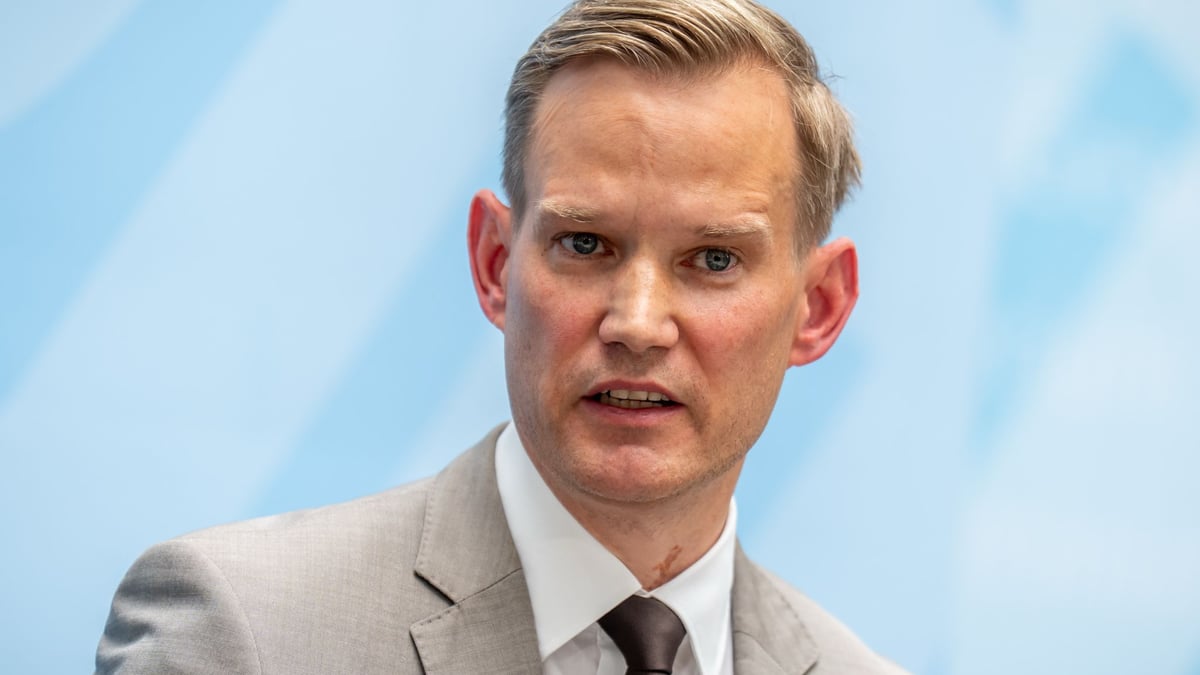
Hendrik Streeck, a virologist and health expert with the CDU, has advocated for models where patients contribute more directly to healthcare costs. He also serves as the Federal government Commissioner for Addictive and Drug Questions. His arguments draw parallels to systems in other European countries.
International Examples of Patient Contributions
In Switzerland, insured individuals actively choose their deductible level (“franchise”) within the basic statutory insurance. A higher deductible translates to lower monthly premiums. Even after meeting the deductible, Swiss patients contribute ten percent of further costs, up to a legally defined maximum.
France requires patients to cover approximately 30 percent of outpatient doctor visit costs and around 20 percent of hospital expenses.sweden employs a tiered deductible system. Streeck reportedly observed a significant difference in doctor visit frequency across Europe, stating, “While people in Denmark go to the doctor on average four times and five times a year in France, Germans go to a practice on average ten times a year.” he believes this higher frequency places a significant strain on the german system.
AOK Rejects Proposal, Cites Past Experience
However, the AOK Federal Association, a major statutory health insurer, firmly rejects Streeck’s proposal. CEO Carola Reimann acknowledges the escalating costs within the healthcare system, stating, “But we reject the therapy measures proposed by Hendrik Streeck and other therapy measures proposed, which amount to a stronger financial burden on the legally insured persons.”
Rather,Reimann calls for the federal government to fulfill its financial obligations regarding non-insurance benefits and for a greater focus on efficiency and value within the healthcare system. She points to the previous implementation of a practice fee in Germany – a ten-euro quarterly charge for doctor visits from 2004 to the end of 2012 – as a cautionary tale.
“The experience had shown that ‘this principle does not lead to savings thru cost -conscious behavior of the insured,'” Reimann explained. “Instead, additional payments and a higher deductible result in higher access barriers and can prevent people from visiting the doctor and medical treatments. This is notably the weakest in society.” She urges the government to address “the really evident construction sites in the healthcare system and that there is no sham debate.”
Rising Healthcare Costs Fuel Debate
The debate unfolds against a backdrop of rapidly increasing healthcare expenditures. In the first half of 2025, statutory health insurance spending reached 174 billion euros, an almost eight percent increase year-over-year. Total spending for 2024 amounted to 326.9 billion euros, resulting in a deficit exceeding six billion euros. This financial pressure is driving the search for solutions,but the AOK and others remain skeptical that increased patient contributions are the answer.
