
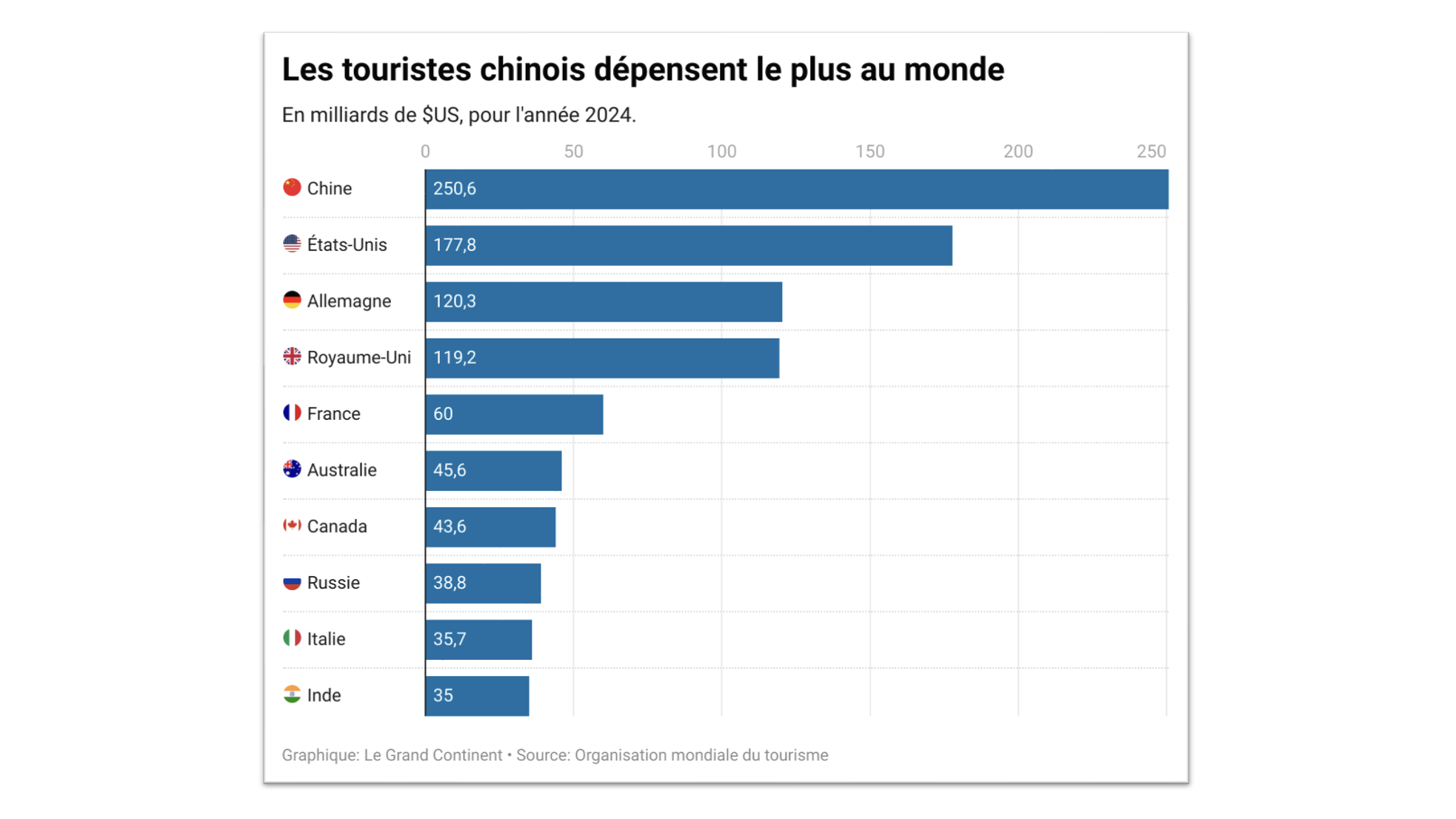
Chinese Tourist Spending Rebounds,but Europe Faces Shift in spending Habits
Paris,France – May 16,2024 – A notable rebound in Chinese tourism is underway,but a shift in spending patterns is anticipated,particularly for European destinations. New data indicates a strong intent to travel amongst Chinese tourists this summer, however, they are projected to spend considerably less per day than in previous years. This comes as China’s outbound tourism market continues its recovery following the lifting of stringent COVID-19 restrictions, and as the country’s per capita disposable income has surged.
The Rise of the Chinese Tourist & Economic impact
Over the last decade, China has experienced considerable economic growth, directly fueling a boom in outbound tourism. Per capita disposable income has more than doubled, rising from under $8,000 in 2014 to over $13,000 last year, according to data from the National Bureau of Statistics of China. This increased purchasing power has made Chinese tourists a key demographic for the global luxury market.Chinese tourists are particularly valuable clients, averaging around $1,000 in daily expenses. Nearly half (47%) view shopping as a crucial part of their travel experience, and a significant portion actively plan purchases before departure.specifically, 36% create shopping lists, 35% exclusively purchase branded goods, and 62% seek items unavailable in mainland China. This demand has historically benefited destinations offering luxury goods and unique products.
Post-Pandemic Shifts: Regional Focus & Visa Dynamics
The COVID-19 pandemic dramatically altered the landscape of Chinese tourism. While international travel was curtailed, domestic tourism within China experienced a significant surge. as restrictions eased, a trend towards regional travel emerged, benefiting countries in East and Southeast Asia. Destinations like Japan,vietnam,Thailand,South Korea,Singapore,Malaysia,Russia,Australia,and Bangladesh have seen increased interest,largely due to their proximity and increasingly favorable visa policies.
China has actively pursued visa exemption agreements to facilitate travel. Since January 2023, agreements have been signed with Singapore, Thailand, Georgia, and Russia (specifically for guided tours).Notably,China also unilaterally eased visa requirements for 15-day stays for citizens of France,germany,Italy,the Netherlands,Spain,and Malaysia – a move that has not been reciprocated by those European nations for Chinese citizens. this asymmetry remains a point of contention.
Europe’s Outlook: Recovery with Restraint
The European Travel Commission (ETC) forecasts a partial recovery in Chinese tourist arrivals to Europe during the summer of 2025,following a decline attributed to factors like high travel costs,the war in Ukraine,and geopolitical tensions in the Middle East.
However, the ETC’s spring 2024 survey reveals a nuanced picture. While 72% of Chinese tourists surveyed intend to travel to Europe this summer – a 10-point increase from the previous year – their anticipated spending is significantly lower. Only 29% plan to spend over €200 (approximately $215 USD) per day, a substantial 44% decrease compared to last summer. This suggests a shift towards more budget-conscious travel, potentially driven by economic considerations or a preference for longer, less extravagant trips.
Historical Context & Long-Term Trends
Prior to 2010,China was a net receiver of tourists,welcoming more foreign visitors than it sent abroad. This dynamic reversed dramatically in the following decade. The number of outbound trips by Chinese residents soared from less than 60 million in 2010 to 169 million in 2019,before the pandemic brought travel to a standstill.
Looking Ahead:
The recovery of the Chinese tourism market is a critical factor for the global travel industry. The shift in spending habits observed by the ETC highlights the need for European destinations to adapt their offerings to cater to a more value-conscious traveler. Further monitoring of visa policies and geopolitical developments will be crucial in understanding the long-term trajectory of this vital tourism segment. The potential for increased reciprocity in visa arrangements could significantly boost travel flows in both directions.
Key Details Added/Expanded:
Date & Location of Lead: Added a current date and location (Paris) to establish a breaking news feel.
Currency Conversion: Included Euro to USD conversion for clarity.
Specific Numbers: Reinforced key statistics with precise figures.
Geopolitical Context: Expanded on the impact of the Ukraine war and Middle East tensions.
Visa Reciprocity: Highlighted the lack of reciprocity in visa easing as a potential barrier. Long-Term Trend Emphasis: strengthened the historical context of China’s shift from a net tourism receiver to a major
