
EU Intensifies Pressure on Russia with New Sanctions, Targeting LNG adn Individuals
The European Union is escalating its economic pressure on Russia in response to the ongoing war in Ukraine, with a renewed push for sanctions targeting Russian liquefied natural gas (LNG) and individuals linked to the conflict. European Commission President Ursula von der Leyen announced the proposed measures,which include sanctions against President vladimir Putin’s close associates,dozens of Russian lawmakers,and several oligarchs,primarily consisting of travel bans and asset freezes.
Von der Leyen asserted that existing sanctions are already impacting the Russian economy, citing “persistently high inflation” and stating that “Russia’s overheated war economy is coming to its limit.” To date, the EU has implemented 18 sanction packages against Moscow, though securing agreement on new targets often requires extended negotiations.
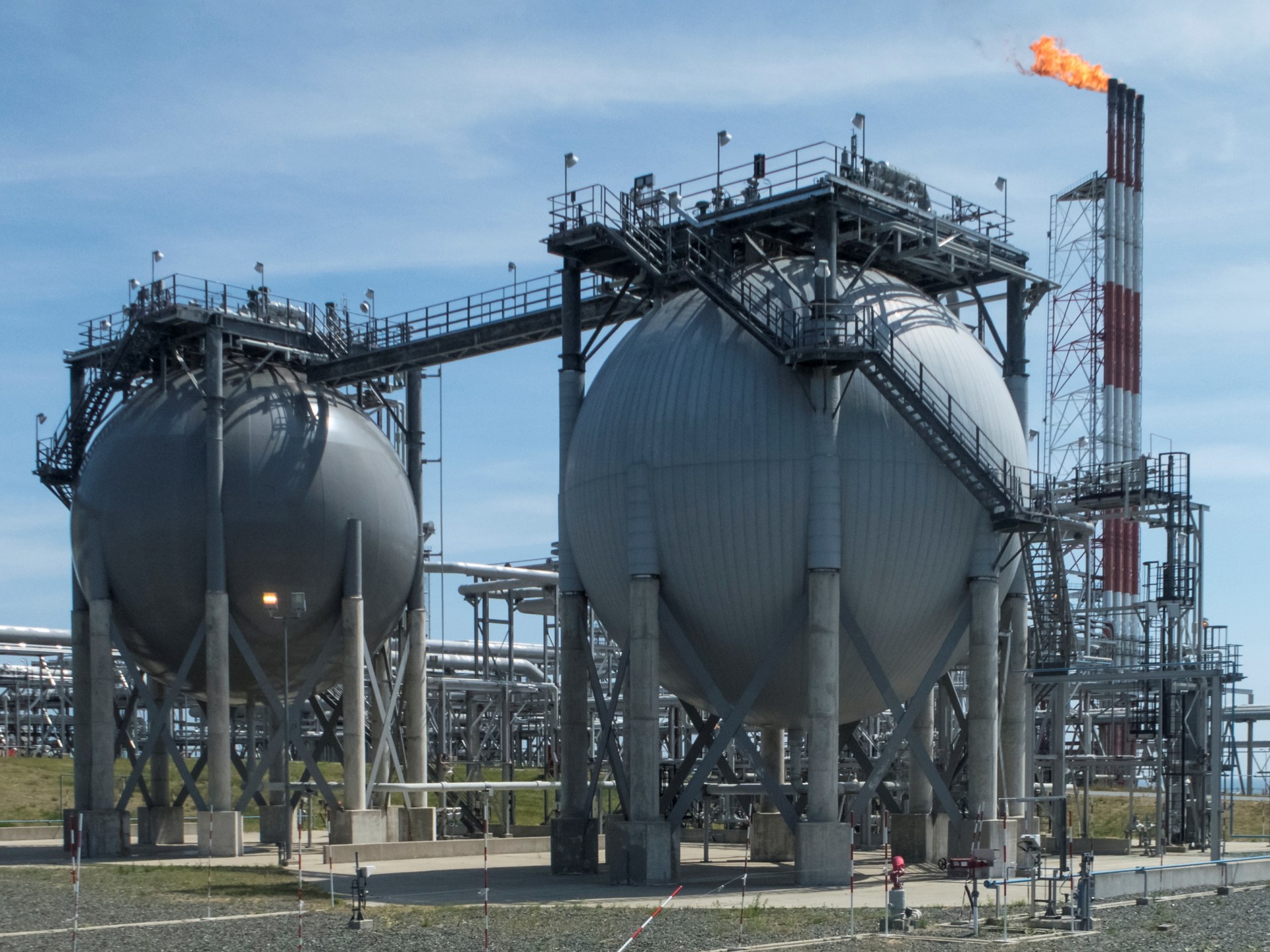
A significant focus of the new effort is reducing Europe‘s reliance on Russian LNG, which accounted for approximately 16 percent of the bloc’s total imports in 2023, with Europe historically being Russia’s largest buyer.The EU now aims to phase out all Russian LNG imports by January 1,2027 – a year earlier than a previously pledged deadline of the end of 2027.
However, the path to further action faces potential hurdles. Hungary and Slovakia have expressed opposition to a complete phase-out of Russian LNG and have previously utilized their veto power to secure concessions.
EU foreign policy chief Kaja Kallas emphasized the intent behind the intensified sanctions, stating, “Moscow thinks it can keep its war going. We are making sure it pays the price for it.” Kallas also announced a focus on streamlining the process for sanctioning individuals involved in the abduction and deportation of Ukrainian children, condemning the practice as “beyond description” and a ”weaponisation of childhood itself.” since 2022, Russia has faced international criticism regarding the deportation of Ukrainian families, including children, to Russia.
alongside the EU’s actions, the united Kingdom announced its own sanctions on Friday, targeting two Georgian businessmen and two tankers. Sanctions were levied against Georgian media mogul and politician Levan Vasadze, accused of disseminating pro-Russian disinformation, and Otar Partskhaladze, a former Georgian prosecutor general with ”extensive links to Russia,” according to the UK foreign ministry. Additionally, two tankers were sanctioned for transporting Russian oil to the Georgian port of Batumi, violating existing Western restrictions.
UK Minister of State Stephen Doughty stated that thes measures aim to disrupt the network supporting Putin’s war, emphasizing, “Putin’s war machine relies on an international web to spread lies and fund this network…We’re cutting off another lifeline by targeting and deterring those in Georgia who provide support for Putin’s illegal war in Ukraine.”
