
Chikungunya Outbreak in China Prompts Strict Measures, US Travel Advisory
Table of Contents
Foshan, Guangdong Province, China – A rapidly developing outbreak of chikungunya fever in China, particularly concentrated in the manufacturing hub of Foshan, is triggering a stringent response from authorities. As of Wednesday, over 7,000 cases have been reported, prompting widespread preventative actions including mass disinfection efforts, fines for non-compliance with standing water removal, and the deployment of drones to identify mosquito breeding sites.
Breaking News: Current Situation
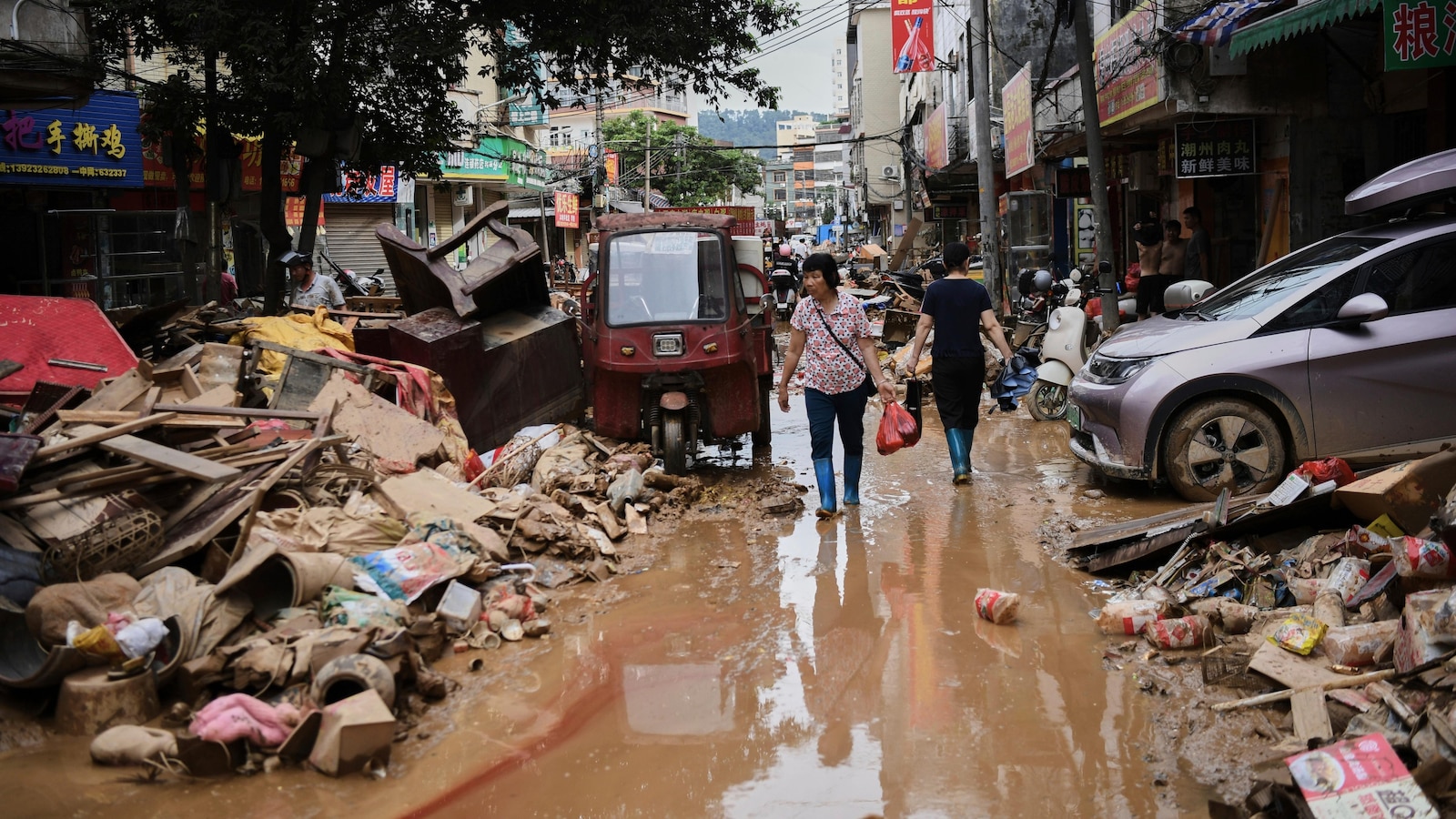
The outbreak is occurring amidst unusually heavy rainfall and high temperatures in Guangdong province, creating ideal conditions for mosquito proliferation. Chinese state media has showcased extensive disinfection campaigns targeting streets, residential areas, and construction zones. Notably, some workplaces are reinstating pre-entry disinfection protocols reminiscent of the country’s COVID-19 response. Individuals failing to eliminate potential mosquito breeding grounds – such as bottles and flower pots – face fines up to 10,000 yuan (approximately $1,400 USD) and potential electricity service disruption.The city of Foshan is requiring a minimum one-week hospital stay for confirmed cases, though a previously implemented two-week home quarantine has been lifted due to the virus’s non-transmissibility between humans.
Understanding Chikungunya: A Global Health Concern
Chikungunya is a mosquito-borne viral disease causing fever and severe joint pain. While typically not fatal, the illness can be debilitating, particularly for vulnerable populations including young children, the elderly, and individuals with pre-existing medical conditions. The virus is spread through the bite of infected Aedes aegypti and Aedes albopictus mosquitoes – the same species responsible for transmitting dengue, Zika, and yellow fever.
Beyond China: Global Impact and Travel Advisories
The current outbreak isn’t isolated to China. Brazil and several Indian Ocean island nations are also experiencing notable chikungunya cases. In response, the U.S. State Department has issued a Level 2 Travel Advisory (“Exercise Increased Caution”) for Guangdong province, advising U.S. citizens to reconsider travel to the region.This advisory encompasses key business centers like Donguan, alongside affected areas in other countries.
China’s Response: A History of Coercive Measures
China’s aggressive approach to disease control reflects a pattern established during the 2003 SARS outbreak. beyond traditional methods, authorities are exploring innovative biological control strategies, including the use of larvivorous fish (fish that eat mosquito larvae) and even deploying mosquitoes to prey on virus-carrying insects. national-level meetings and protocol adoption demonstrate the government’s commitment to containing the outbreak and mitigating potential international criticism. The Guangdong Provincial Center for Disease Control and Prevention is leading the epidemiological inquiry and coordinating response efforts.
Protect Yourself: Prevention is Key
There is currently no vaccine or specific antiviral treatment for chikungunya. Prevention relies heavily on mosquito control and personal protective measures:
- Eliminate Standing Water: Regularly empty and clean containers that hold water, such as flower pots, buckets, and tires.
- Use Insect Repellent: Apply EPA-registered insect repellents containing DEET,picaridin,IR3535,oil of lemon eucalyptus,or para-menthane-diol.
- Wear Protective Clothing: Cover exposed skin by wearing long sleeves, long pants, and socks.
- Mosquito Nets: Use mosquito nets, especially while sleeping.
