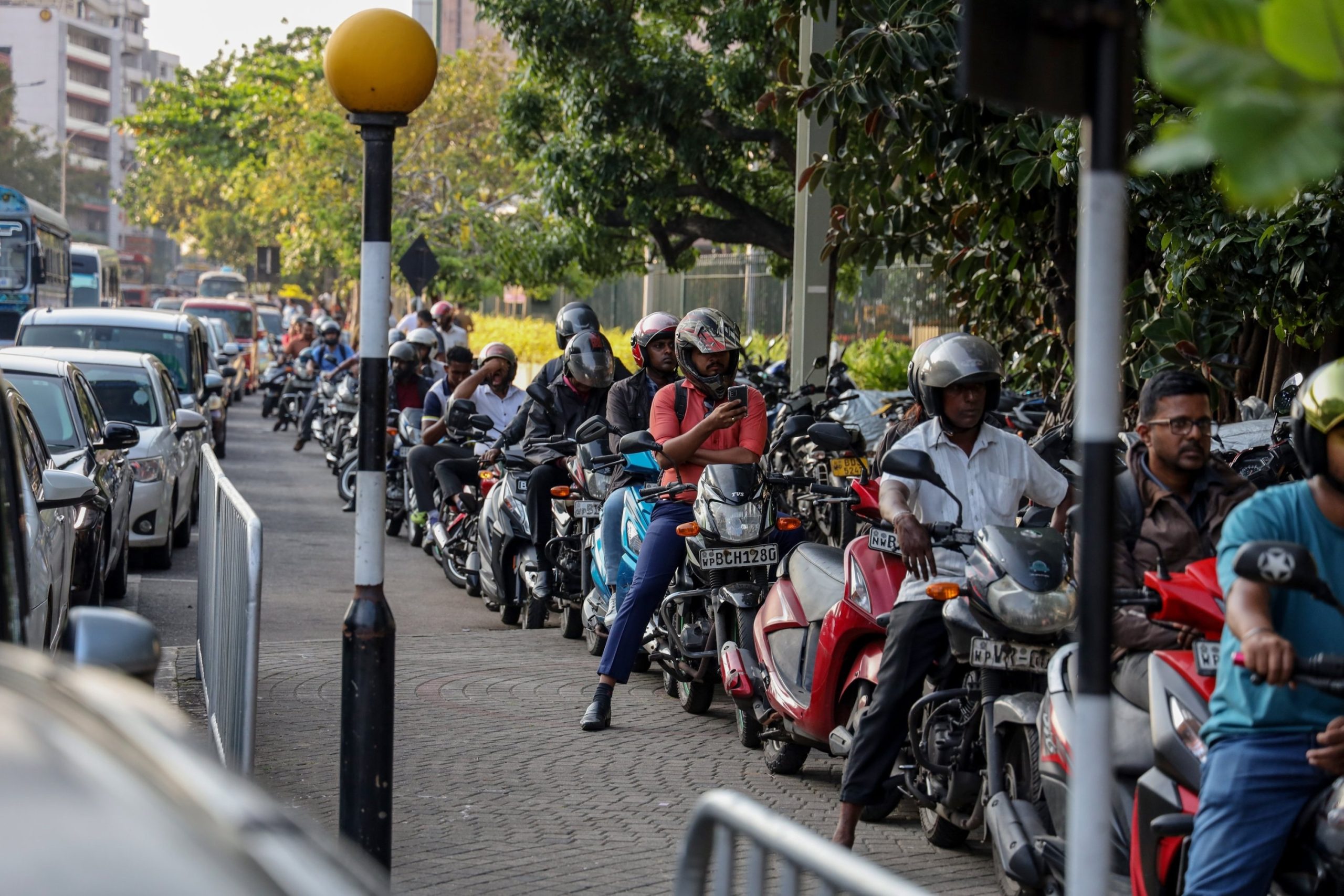
Asian News Roundup: Energy Crisis and Regulatory Hurdles
Developing nations across Asia are implementing emergency energy rationing as the escalating crisis in Iran disrupts global oil flows. This systemic shock forces governments in Southeast Asia and the Pacific to prioritize critical infrastructure over residential power, threatening economic stability and triggering a regional humanitarian energy deficit.
The situation is no longer a distant geopolitical tremor; it is a full-scale operational failure for the “non-rich” states. When the Strait of Hormuz becomes a choke point, the ripples don’t just hit the stock tickers in New York or London. They hit the streetlights in Jakarta, the factories in Vietnam, and the hospitals in Sri Lanka.
We are witnessing a brutal divergence in resilience. While wealthy Gulf states and G7 economies can pivot to strategic reserves, the emerging economies of Asia are facing a hard ceiling. The problem is a lethal combination of dependency on Middle Eastern crude and a lack of diversified energy infrastructure.
The Mechanics of Energy Poverty
The current crisis is not merely about the price per barrel. It is about the physical availability of fuel. As Iran’s instability leads to shipping disruptions, the cost of insurance for tankers skyrocketing, making it economically unviable for smaller nations to import oil under current contracts. This creates a “shadow shortage” where fuel exists, but the logistics of moving it are broken.
In cities like Bangkok and Manila, the impact is manifesting as “rolling brownouts.” These aren’t scheduled maintenance windows; they are desperate attempts to retain the grid from collapsing entirely. For a small business owner in a developing hub, a four-hour power cut isn’t an inconvenience—it is the loss of an entire day’s inventory and revenue.
This is where the systemic vulnerability becomes a business crisis. Companies are now scrambling to find immediate alternatives. We are seeing a surge in demand for industrial power generation specialists who can install independent micro-grids to bypass the failing municipal infrastructure.
“We are seeing a regression in regional development. When a state is forced to ration energy, it isn’t just pausing growth; it is actively erasing years of industrial progress. The gap between the energy-secure and the energy-poor is widening into a chasm.”
Regional Fallout: From the Mekong to the Pacific
The crisis is hitting specific jurisdictions with varying intensity. In Vietnam, the manufacturing sector—the backbone of the national economy—is facing strict quotas. Factories are being told to operate on 60% capacity to ensure that government administrative centers remain powered. This disrupts global supply chains, as the “just-in-time” delivery model collapses under the weight of unpredictable power availability.
In Sri Lanka and Pakistan, the crisis is compounded by existing debt distress. These nations cannot afford to buy oil at the “spot price” premiums currently demanded by suppliers. The result is a move toward primitive energy rationing: limiting fuel for public transport and prioritizing military and emergency services.
The legal ramifications are equally severe. Thousands of commercial contracts are being declared in force majeure as companies fail to meet delivery deadlines due to power outages. This has created a gold rush for international trade attorneys who specialize in energy law and contract dispute resolution, as firms attempt to mitigate losses from breached agreements.
The Macro-Economic Divergence
To understand the scale of the impact, one must look at the disparity in energy import dependencies. The following data illustrates the vulnerability of non-rich Asian states compared to diversified economies during the 2026 Iran crisis window:

| Region/State | Import Dependency (%) | Current Rationing Level | Primary Economic Impact |
|---|---|---|---|
| Southeast Asia (Emerging) | 65-80% | High (Rolling Blackouts) | Manufacturing Stagnation |
| South Asia (Debt-Distressed) | 85%+ | Critical (Fuel Quotas) | Hyper-inflation/Transport Collapse |
| East Asia (Diversified) | 40-60% | Low (Price Volatility) | Increased Operational Costs |
The tragedy of this crisis is that it exposes the “regulatory trap.” Many of these states have regulations that prevent the rapid adoption of decentralized renewable energy, fearing a loss of control over the national grid. They are effectively blocked by their own laws from implementing the remarkably solutions that would save them.
Filling the Information Gap: The Strategic Pivot
While the headlines focus on the conflict in Iran, the real story is the desperate pivot toward “Energy Sovereignty.” This isn’t just about solar panels; it’s about a fundamental shift in how these nations perceive security. The International Energy Agency (IEA) has long warned that the transition to renewables is not speedy enough to buffer against geopolitical shocks in the Middle East.
Historically, the “oil shock” of 1973 taught the world about diversification. However, the 2026 crisis is different because it happens in an era of digital interdependence. A power outage in a Vietnamese textile hub doesn’t just stop a sewing machine; it crashes a digital logistics chain that reaches from San Francisco to Berlin.
Local leaders are now calling for a total overhaul of municipal energy codes. In Thailand, for example, there are emerging calls to allow “peer-to-peer” energy trading, where buildings with solar arrays can sell excess power directly to neighbors, bypassing the failing state grid. This shift requires a new breed of urban planning consultants capable of redesigning city grids for decentralization.
“The current energy rationing is a symptom of a deeper failure in strategic planning. We relied on a stable Middle East for forty years, and we forgot how to be self-sufficient. The cost of that forgetfulness is now being paid by the poorest citizens in our region.” — Somsak Prasert, Regional Energy Policy Analyst
The Long-Term Horizon
This crisis will not be solved by a ceasefire or a new trade deal. The instability in Iran has proven that the traditional energy corridor is too fragile to support the growth of the Asian century. The “evergreen” lesson here is that energy security is now synonymous with national security.
As the dust settles, the nations that survive this period with their economies intact will be those that aggressively decoupled from the Hormuz choke point. We will see a massive migration of capital toward LNG infrastructure, nuclear modular reactors, and large-scale battery storage. The transition is no longer an environmental preference; it is a survival imperative.
The immediate future remains precarious. Until the supply chains stabilize, the risk of total grid failure in the most vulnerable Asian states remains high. This volatility creates a vacuum where only the most prepared—those with verified, professional support systems—will thrive. Whether it is securing emergency power, litigating broken contracts, or redesigning urban infrastructure, the need for vetted expertise has never been more urgent. Navigating this chaos requires more than luck; it requires a directory of professionals who have seen this collapse before and know how to build back from the ruins. You can find those specialists within the World Today News Directory.