As Global Demand for Gold Grows, Toxic Mercury Fumes Threaten Women’s Health
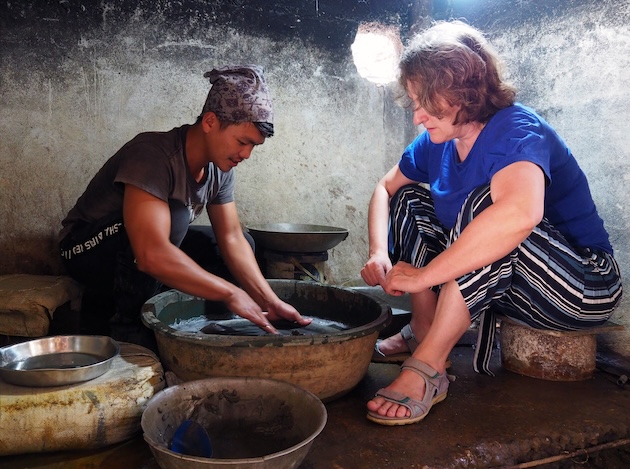
In Tanzania’s northern Geita region, women miners at the Katoro goldfield are facing severe health risks as they handle toxic mercury to extract gold from crushed ore. As global gold demand surges, United Nations mercury experts warn that these toxic fumes create a profound, life-altering dilemma for female miners regarding motherhood.
The situation in Katoro is not an isolated incident; it is a symptom of a systemic crisis that bridges the gap between artisanal extraction and global supply chains. For the women working these fields, the choice is often between immediate economic survival and the long-term, irreversible health consequences of neurological and reproductive exposure to mercury.
The Invisible Cost of the Global Gold Rush
Mercury serves as a cheap, efficient, and accessible tool for small-scale gold miners, yet its impact on human biology is devastating. When burned to separate gold from sediment, it releases vapor that settles into the lungs and bloodstream. For women of reproductive age, this exposure is particularly insidious.

The Environmental Protection Agency notes that mercury, once it enters the body, can accumulate in tissues and pass through the placental barrier. In the context of the Geita region, this means that the pursuit of financial stability is inextricably linked to the potential for developmental delays in children and chronic reproductive health complications for mothers.
The global demand for gold continues to drive up prices, incentivizing more families to enter the artisanal mining sector. However, the lack of formal infrastructure and safety training turns these fields into high-risk environments. Without intervention, the cycle of poverty and toxic exposure will continue to disproportionately affect the most vulnerable members of the mining workforce.
“We are witnessing a quiet crisis where the particularly resource meant to provide a future for a family is actively poisoning the potential of the next generation. The health of the mother is the health of the community, and we cannot ignore the cost of this extraction any longer.”
Navigating a Fragmented Regulatory Landscape
Addressing this issue requires more than just local awareness; it demands a fundamental shift in how artisanal mining is regulated and supported. While international treaties like the Minamata Convention on Mercury aim to reduce the use of the substance, enforcement at the pit-face remains a monumental challenge for local governments.
Municipal authorities in mining districts are often overwhelmed by the scale of informal activity. The infrastructure required to test soil, monitor air quality, and provide medical screenings for mercury poisoning is frequently absent. For NGOs and health organizations working on the ground, the lack of data makes it nearly impossible to allocate resources effectively.
This is where the role of specialized civic and professional services becomes critical. When local governments fail to provide the necessary safeguards, community leaders and advocacy groups must step in to bridge the gap. Securing access to public health advocacy groups is the first step in ensuring that miners understand the risks and have access to safer, mercury-free extraction technologies.
The Structural Barriers to Change
- Economic Dependency: Artisanal miners often lack the capital to invest in safer, non-toxic gold processing equipment.
- Information Asymmetry: Many miners do not have access to training regarding the long-term neurological impacts of mercury vapor inhalation.
- Supply Chain Opacity: Gold extracted with toxic methods often enters the legitimate global market, making it difficult for consumers to track the ethical origins of their jewelry or bullion.
For organizations attempting to formalize these mining operations, the regulatory hurdles can be immense. Navigating the complex interface between local land rights and international trade laws requires the assistance of qualified legal consultants specializing in the mining sector. These experts can help cooperatives transition from informal, high-risk practices to regulated, safer methods of extraction that protect both the environment and the workforce.
A Path Toward Sustainable Extraction
The dilemma faced by women in Katoro is a microcosm of a larger, global struggle. As we look toward the future of gold production, the emphasis must shift from purely volume-based extraction to human-centric mining practices. This involves not only the introduction of new technology but the creation of social safety nets that allow women to work without sacrificing their reproductive health.

Effective change will also require the involvement of environmental remediation firms that can assist in cleaning up contaminated sites that have been abandoned by informal operators. The legacy of mercury in the soil and water will persist for years, affecting the health of entire villages long after the gold has been sold.
The tragedy is that the tools for safer mining exist, but they are currently out of reach for those who need them most. The disconnect between global market prices and the living conditions of the individuals at the bottom of the value chain is a failure of modern governance and corporate social responsibility.
As the international community grapples with these findings, the focus must remain on the individuals at the heart of the crisis. We cannot allow the pursuit of wealth to justify the poisoning of the future. The responsibility lies with global stakeholders to ensure that the gold in our hands does not carry the toxic imprint of a mother’s sacrifice.
For those interested in supporting the transition to ethical and safe mining standards, connecting with the right non-profit mining reform organizations remains the most effective way to effect systemic, on-the-ground change. The cost of inaction is simply too high to ignore.