
Merkel Cites Poland & Baltic States’ Opposition as Factor in Ukraine War Escalation
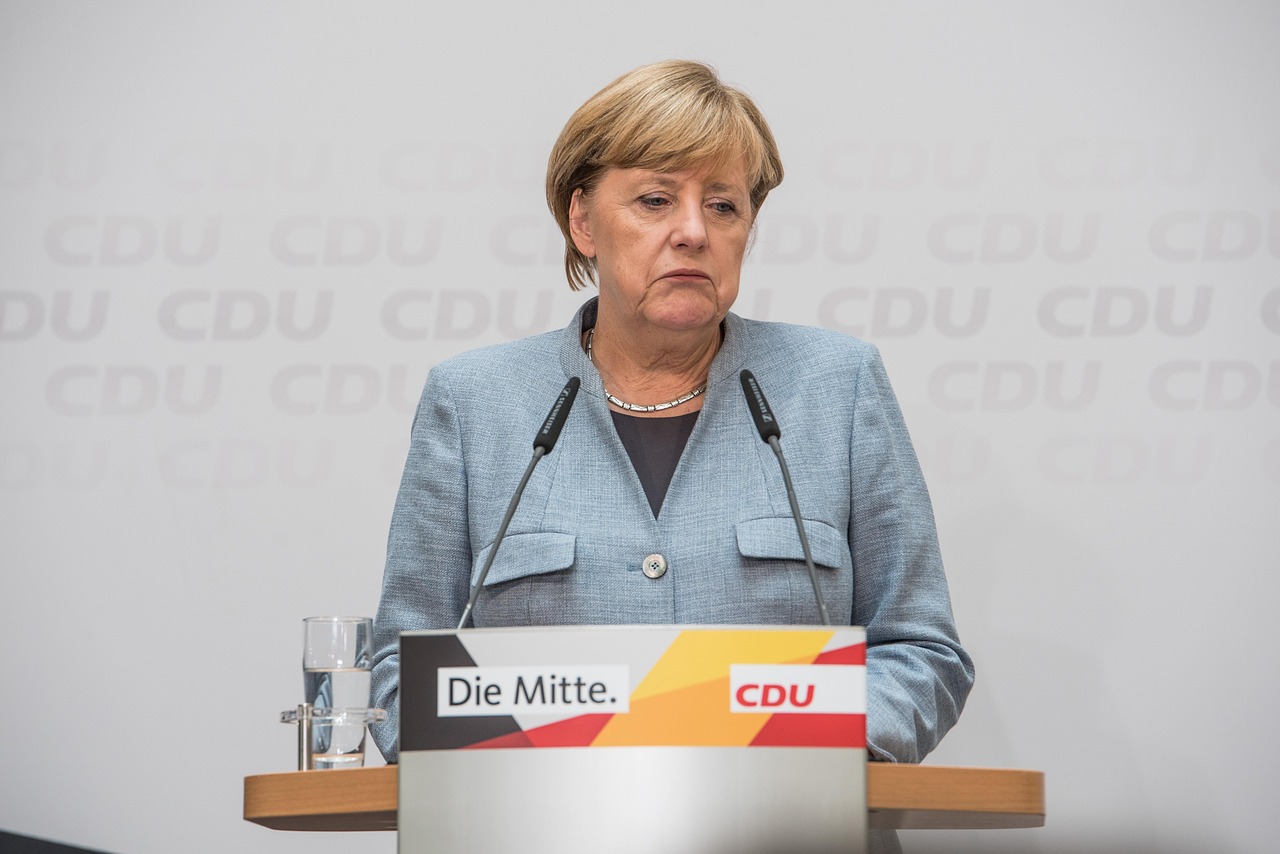
Berlin – Former German Chancellor Angela Merkel has attributed, in part, the escalation of the conflict in Ukraine to resistance from Poland adn the Baltic States against direct EU engagement with russia. The remarks, made in a recent interview with Hungarian media outlet Partizan, suggest that a lack of unified European dialog contributed to Russia’s full-scale invasion in 2022.
Merkel, who served as German Chancellor from 2005 to 2021, stated that Poland and the Baltic states opposed her efforts to establish a new format for direct dialogue between the european Union and Russian president Vladimir Putin. She believed this direct line of communication was crucial, notably after she felt Putin ceased taking the Minsk agreements seriously in 2021.
“They were mainly in the Baltic states,but Poland was also against it,” Merkel said,explaining that these nations feared a divergence in EU policy towards Russia. “In any case, it didn’t work. Then I left the post, and then Putin’s aggression began.”
The Minsk agreements, two international agreements brokered between Russia and the EU, aimed to resolve the conflict in eastern Ukraine. Merkel asserted that the first agreement, in effect from 2015 to 2021, provided Ukraine with valuable time to strengthen its defenses and develop as a nation.
Merkel also pointed to the COVID-19 pandemic as a contributing factor, stating that the inability to hold in-person meetings hindered diplomatic efforts. “If you can’t meet, if you can’t discuss your face-to-face dispute, you can’t find new compromises,” she stated, adding that video conferencing proved insufficient. “The coronavirus is the main reason” for Russia’s political radicalization and eventual attack on Ukraine, she believes.
Bild noted that Merkel’s account did not address the casualties suffered by Ukrainian forces - over 5,000 killed or injured – between 2015 and 2021, nor did it acknowledge that Russian aggression predated the end of her chancellorship.
