
The United States, in concert with Israel, launched a series of strikes against targets within Iran on Saturday, February 28, 2026, escalating tensions in the Middle East and prompting warnings of potential U.S. Casualties. President Donald Trump characterized the operations as “major combat operations” aimed at regime change, demanding that members of Iran’s Islamic Revolutionary Guard lay down their weapons under a promise of immunity, or face “certain death.”
The attacks, dubbed “Operation Epic Fury” by the Pentagon, represent the second instance of the Trump administration striking a major oil-producing country this year, following earlier actions in Venezuela. According to initial reports from the Iranian Red Crescent, at least 201 people have been killed in the strikes. The joint operation with Israel, described as a “pre-emptive attack” by Israeli officials, has raised concerns about a wider regional conflict.
The escalation follows a State of the Union address on February 24, 2026, where Trump asserted his preference for diplomacy with Iran, whereas simultaneously reaffirming his commitment to preventing Iran from acquiring nuclear weapons. “I will never allow the world’s number one sponsor of terror — which they are, by far — to have a nuclear weapon,” Trump stated during the address.
The attacks on Iran are the latest in a series of assertive foreign policy moves undertaken by the Trump administration since returning to office in January 2025. Prior to the strikes on Iran, the U.S. Carried out an attack on Venezuela in January 2026, bombing the capital, Caracas, and overseeing the capture of Nicolás Maduro, effectively decapitating the Venezuelan government. Military strikes and counterterrorism operations have as well been reported in Africa and the Middle East.
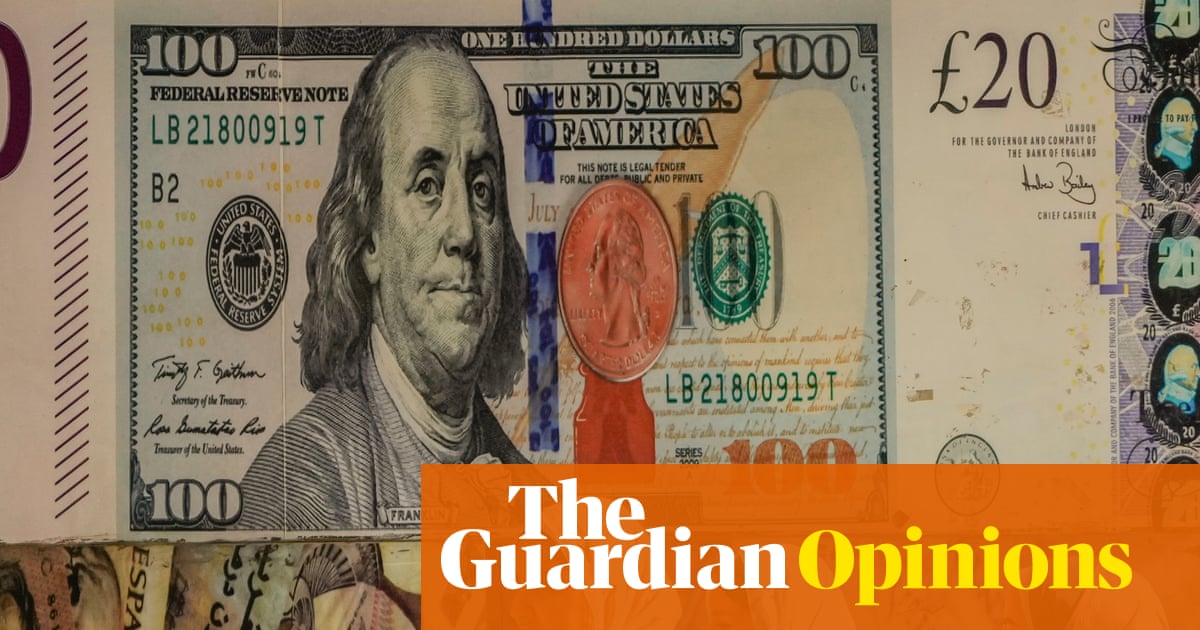
Beyond the immediate geopolitical implications, the aggressive foreign policy is coinciding with a gradual erosion of the dollar’s dominance in global finance. The trade-weighted dollar has lost 7% of its value over the past year, despite strong U.S. Economic growth and robust stock market performance. Experts suggest this decline reflects both inflationary pressures and a growing perception of instability in U.S. Policy frameworks.
While a complete displacement of the dollar is not anticipated, a shift towards a more multipolar currency system appears increasingly likely. The share of global central bank reserves held in dollars has fallen from 71% in 2001 to 57% by the end of 2025, as countries quietly diversify into alternative currencies. China’s renminbi is seeing increased use in international trade, actively promoted by Beijing.
Several factors are contributing to this trend, including the increasing use of economic sanctions by the U.S. As a geopolitical tool – including asset freezes and exclusion from the SWIFT international payment system – and the development of latest financial technologies that facilitate cheaper and faster cross-border transactions. The European Central Bank has recently announced plans to expand its repurchase agreement arrangements, aiming to provide a lending facility for other central banks in times of crisis.
The BRICS nations – Brazil, China, India, Russia, and a growing number of new members – are actively pursuing alternatives to dollar dominance, exploring the establishment of swap lines and the interoperability of their central bank digital currencies. Experts note that these efforts represent a cumulative shift towards reducing reliance on the U.S. Financial system.
The diminishing dominance of the dollar could have economic consequences for the U.S., including a decline in the “convenience yield” of U.S. Treasuries – the benefit of their liquidity, and safety. With the U.S. National debt projected to reach 130% of GDP within five years, this could prove costly. While U.S. Treasuries remain a safe haven asset during times of uncertainty, evidenced by falling yields on Friday, February 27, 2026, the recent actions of the Trump administration have accelerated the search for alternatives.
