
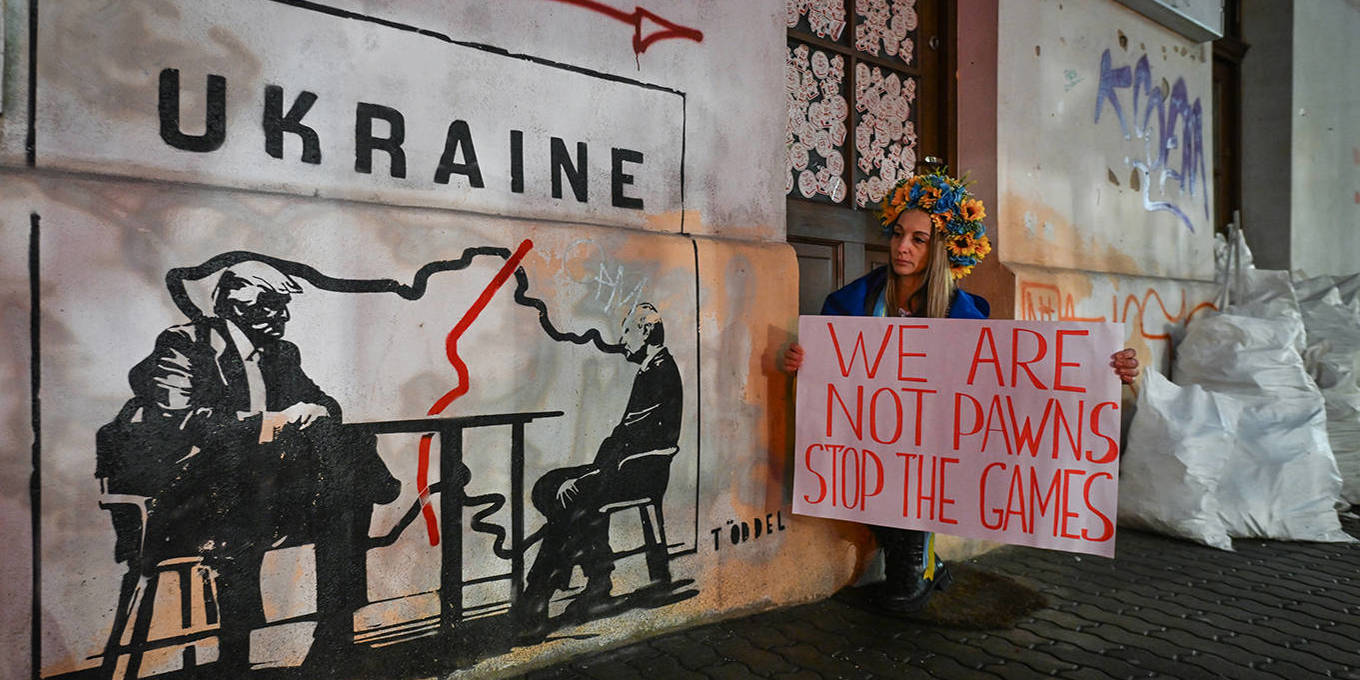
Brussels – The United States, under President Donald Trump, is pursuing a markedly transactional approach to complex international negotiations, according to a recent analysis by former Spanish Foreign Minister Ana Palacio. This shift, evident in ongoing discussions regarding the war in Ukraine and Iran’s nuclear program, prioritizes short-term gains over the establishment of durable, rules-based frameworks for long-term stability.
Palacio, currently a visiting professor at Georgetown University’s Edmund Walsh School of Foreign Service and an advisor to multiple international think tanks including the Elcano Royal Institute and the European Council on Foreign Relations, argues that “positional bargaining” – a tactic more suited to real estate deals – is ill-equipped to address the intricacies of geopolitical challenges. Her assessment, published February 27, 2026, highlights a departure from traditional U.S. Foreign policy, which historically emphasized a rules-based international order.
The current U.S. Strategy, Palacio contends, focuses on securing specific outcomes in isolated negotiations rather than building mechanisms to manage future developments. This approach is being applied simultaneously to two critical, yet distinct, issues: resolving the conflict in Ukraine and preventing Iran from developing nuclear weapons. While the negotiations are unrelated, Palacio suggests they reveal a consistent pattern in the Trump administration’s diplomatic style.
Palacio’s analysis does not detail the specific positions being taken by the U.S. In either negotiation, but rather critiques the underlying methodology. She suggests that a focus on immediate concessions and reciprocal demands, rather than a broader consideration of power dynamics and long-term consequences, risks creating unstable and ultimately unsustainable agreements.
The shift in U.S. Foreign policy, as described by Palacio, reflects a broader emphasis on bilateral deals and a skepticism towards multilateral institutions. This approach has been characterized by a willingness to challenge existing alliances and norms in pursuit of perceived national interests. Palacio y Asociados, the consultancy founded by Ana Palacio, specializes in navigating these complex international landscapes, advising clients on the evolving dynamics of global power.
As of today, March 1, 2026, neither the White House nor the State Department has publicly responded to Palacio’s critique. Negotiations concerning Ukraine and Iran’s nuclear program continue, with no publicly announced breakthroughs or agreements. The next scheduled meeting between U.S. And Iranian representatives is set for March 15th in Geneva, according to sources familiar with the discussions.
