
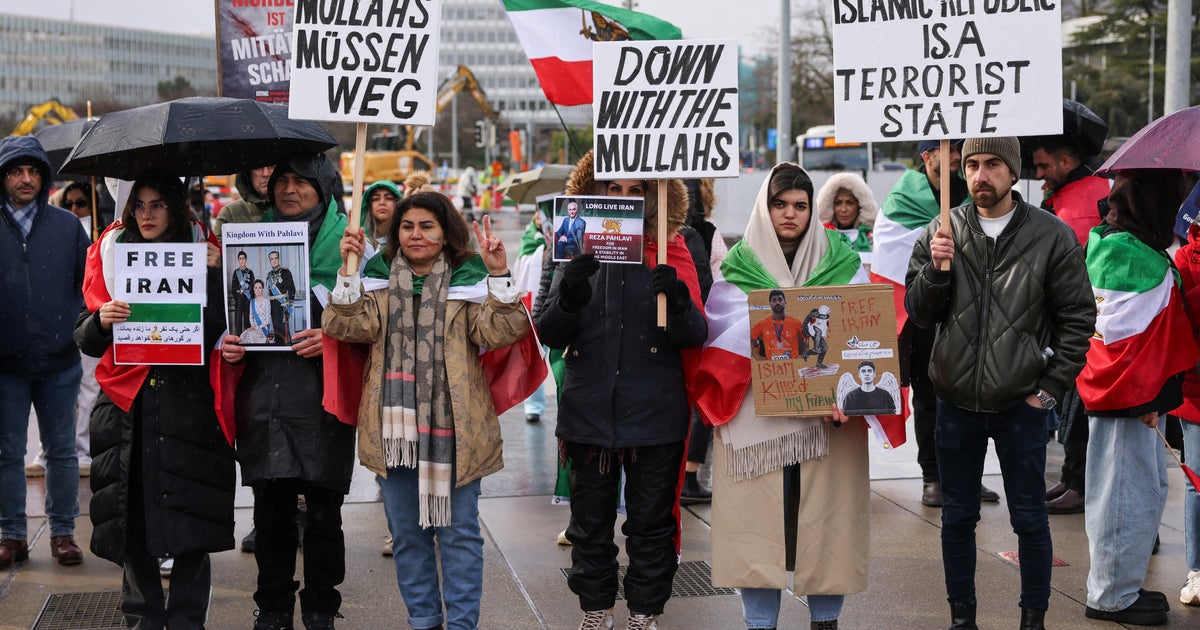
GENEVA – U.S. And Iranian negotiators concluded a second round of indirect talks in Geneva Tuesday, with Iranian officials reporting “good progress” and a tentative agreement on “guiding principles” for future discussions, even as President Donald Trump maintained a threat of military action if a deal on Iran’s nuclear program is not reached.
Iran’s Foreign Minister Abbas Araghchi described the atmosphere as “more constructive” than a previous meeting held earlier this month in Muscat, Oman. “Compared to the previous one, the discussions were completely serious,” Araghchi said, according to Iranian state television. “We were able to reach a general agreement on a number of guiding principles and from now on we will proceed on the basis of those principles and move toward drafting the text of a potential agreement.”
The U.S. Delegation, led by President Trump’s special envoy Steve Witkoff and his son-in-law Jared Kushner, has not issued a public statement detailing the outcome of the talks.
The negotiations, mediated by Oman, are focused on Iran’s nuclear program, but are complicated by demands from Israel for limitations on Iran’s ballistic missile program. According to two sources familiar with the matter, President Trump told Israeli Prime Minister Benjamin Netanyahu in December that the U.S. Would support Israeli strikes on Iran’s ballistic missile program if a deal cannot be reached.
Ayatollah Ali Khamenei, Iran’s Supreme Leader, dismissed the U.S. Military threat in a speech delivered Tuesday, stating, “A warship is certainly a dangerous weapon, but even more dangerous is the weapon capable of sinking it.”
President Trump, speaking Monday night, indicated he would be involved in the negotiations “indirectly,” and expressed cautious optimism. “Iran is typically a particularly tough negotiator,” he said, “but I believe the regime wants to make a deal. I don’t think they wish the consequences of not making a deal.”
The talks come after a period of heightened tensions, including a 12-day conflict in June 2025 in which the U.S. Joined Israel in strikes against Iranian nuclear facilities. The extent of the damage from those strikes remains disputed. Prior to the conflict, Iran had begun enriching uranium to 60% purity, bringing it closer to weapons-grade levels, according to the International Atomic Energy Agency (IAEA).
Iran is seeking the easing of U.S. Economic sanctions, which have crippled its economy since President Trump unilaterally withdrew the U.S. From the 2015 nuclear deal during his first term. The sanctions have contributed to high inflation and a devaluation of the Iranian currency, leading to widespread economic hardship and protests earlier this year that were met with a violent crackdown by Iranian authorities.
Araghchi met with IAEA head Rafael Grossi in Geneva ahead of the talks, and Iranian officials have signaled a willingness to negotiate on its nuclear enrichment program, while insisting on preserving its right to a civilian nuclear program. In a post on social media, Araghchi stated he was in Geneva “with real ideas to achieve a fair and equitable deal. What is not on the table: submission before threats.”
The U.S. Delegation is expected to push for constraints on Iran’s nuclear capabilities, including reducing its enriched uranium stockpile and implementing a new IAEA monitoring plan. U.S. Secretary of State Marco Rubio expressed hope for a diplomatic breakthrough Monday, stating that President Trump “always prefers peaceful outcomes and negotiated outcomes to things.”
No date has been set for a third round of talks, but both sides have agreed to work on drafting potential agreement texts and exchange them before scheduling the next meeting.
