
BRICS Nations Explore CBDC Link for Reduced Dollar Dependence
Published: 2026/01/27 15:50:06
MUMBAI: India’s central bank is proposing a important step towards reducing reliance on the US dollar in international trade and tourism. The Reserve Bank of India (RBI) has suggested linking the central bank digital currencies (CBDCs) of BRICS nations – Brazil, Russia, India, China, and South Africa – to facilitate smoother cross-border transactions. This initiative, if adopted, could reshape the global financial landscape and challenge the dollar’s dominance.
The Proposal and BRICS Summit Agenda
According to two sources familiar with the matter, the RBI has formally recommended to the Indian government that a proposal for connecting BRICS CBDCs be included on the agenda for the 2026 BRICS summit, which India will host. This marks the first time such a proposal will be formally considered by the BRICS economic bloc.The sources requested anonymity due to not being authorized to speak publicly.
The move comes amidst rising geopolitical tensions and a growing desire among BRICS nations to establish a more independent financial infrastructure. The potential for a unified CBDC system could significantly streamline trade finance, reduce transaction costs, and accelerate payment settlements between member countries.
Geopolitical Implications and US Response
This initiative is likely to draw scrutiny from the United States, which has consistently cautioned against efforts to circumvent the dollar’s role as the world’s reserve currency. The US has historically wielded significant influence through its control over the global financial system, and any attempt to diminish that influence is likely to be met with resistance.
Former US President Donald Trump has previously characterized the BRICS alliance as “anti-American,” even threatening to impose tariffs on its member states. Dawn News reported on these previous statements, highlighting the sensitivity surrounding the BRICS economic bloc and its potential to challenge US economic interests.
Building on Existing Momentum
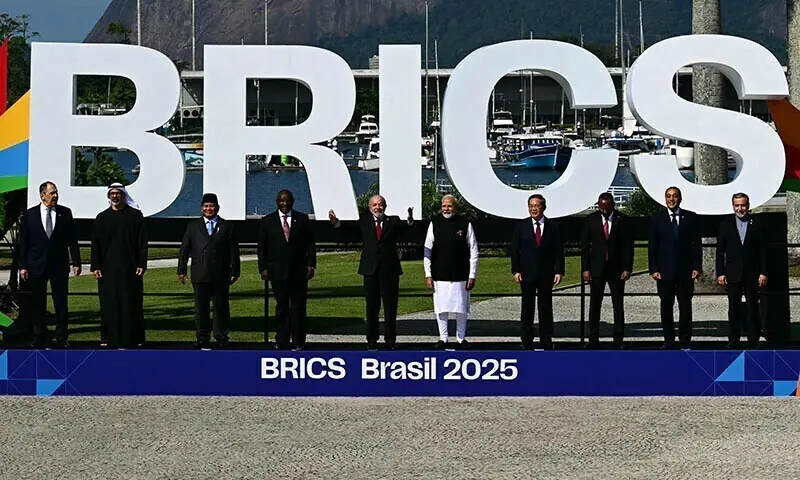
The RBI’s proposal isn’t emerging in a vacuum. It builds upon a declaration made at the 2025 BRICS summit in Rio de janeiro, which emphasized the need for greater interoperability between the payment systems of member nations. This earlier commitment signaled a collective desire to enhance the efficiency of cross-border transactions and reduce dependence on customary financial intermediaries.
india’s Digital Rupee and Global Ambitions
The RBI has publicly expressed its interest in linking India’s digital rupee (e-₹) with CBDCs from other countries. This strategy aims to expedite cross-border payments and increase the global usage of the Indian rupee. However, the RBI has consistently maintained that its efforts to promote the rupee internationally are not intended as a direct challenge to the dollar’s status, but rather as a means of facilitating trade and economic cooperation.
The digital rupee, launched in late 2022, represents a significant step towards a cashless economy in India. Its integration with other CBDCs could unlock substantial benefits for Indian businesses and consumers engaged in international trade and tourism.The Reserve Bank of India’s official website provides detailed information on the e-₹ and its features.
Challenges and Considerations
While the potential benefits of linking BRICS CBDCs are substantial,several challenges remain.These include:
- Technological Interoperability: Ensuring that the different CBDC systems are technically compatible and can seamlessly communicate with each other.
- Regulatory Harmonization: Aligning the regulatory frameworks governing CBDCs across different BRICS nations.
- Cybersecurity Concerns: Protecting the CBDC network from cyberattacks and ensuring the security of transactions.
- Political Will: Maintaining consistent political support for the initiative among all BRICS members.
Lack of Official Comment
Despite repeated attempts, the RBI, the Indian central government, and the central bank of Brazil did not respond to email requests for comment on this matter. The People’s Bank of China stated it had no information to share, while the central banks of South Africa and Russia declined to comment.
Key Takeaways
- India is proposing a link between BRICS CBDCs to reduce reliance on the US dollar.
- The proposal will be considered at the 2026 BRICS summit in India.
- The initiative builds on a 2025 declaration for greater payment system interoperability.
- The US has previously expressed concerns about efforts to bypass the dollar.
- Significant technological and regulatory challenges remain.
The RBI’s proposal represents a bold step towards a more multipolar financial system. While the path forward is fraught with challenges, the potential rewards – increased trade efficiency, reduced transaction costs, and greater financial independence – are significant. The outcome of this initiative will undoubtedly have far-reaching implications for the global economy and the future of international finance.
