
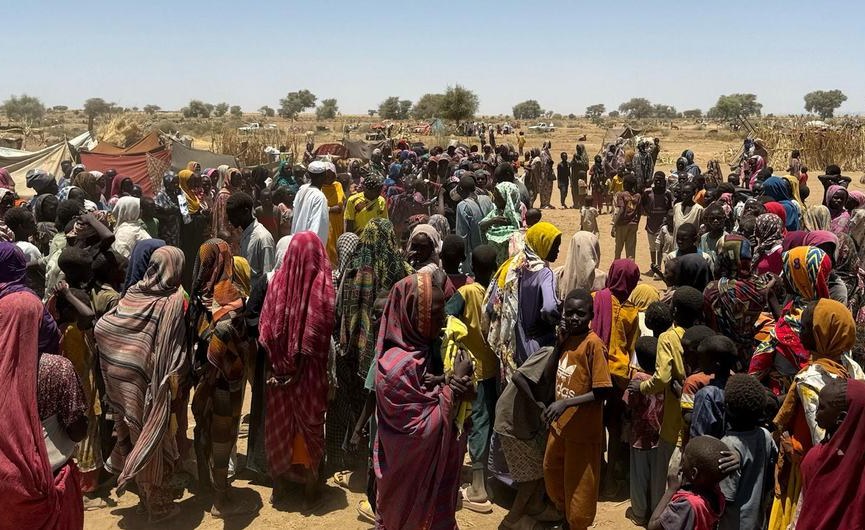
Sudan’s Kordofan region is now at the center of a structural shift involving intensified armed conflict and a deepening humanitarian crisis. The immediate implication is heightened risk to civilian populations and to UN peacekeeping operations,with potential spill‑over effects on regional security dynamics.
The Strategic Context
Kordofan has long been a strategic prize in Sudan because it straddles the country’s oil‑rich belt and fertile agricultural zones. Since the 2023 power struggle between the Sudanese Armed Forces (SAF) and the Rapid Support Forces (RSF), the region has become a focal point for rival claims to state authority. The Sudan People’s liberation Movement‑North (SPLM‑North) adds an ethno‑political dimension, seeking greater autonomy for it’s constituencies. These internal fault lines intersect with broader regional dynamics: neighboring states and Gulf patrons vie for influence through arms supplies, financing, and diplomatic backing, while the United Nations and humanitarian agencies attempt to maintain a limited operational foothold. The convergence of resource competition, fragmented authority, and external patronage creates a volatile structural habitat that fuels recurring cycles of violence.
core Analysis: Incentives & Constraints
Source Signals: The raw report confirms that (1) hostilities have intensified between SAF, RSF, and SPLM‑North in Kordofan; (2) drone attacks killed six UN peacekeepers and a hospital attack caused six civilian deaths; (3) artillery shelling was reported, threatening civilians; (4) displacement surged, with over 1,700 people displaced in South kordofan and more than 25,000 registered in Tawila, darfur; (5) UN officials called for an immediate ceasefire and highlighted the protection of medical facilities; (6) wounded peacekeepers were evacuated to Abyei and Nairobi for treatment, and the fallen were repatriated.
WTN Interpretation: The SAF’s primary incentive is to retain control over Kordofan’s resource base, using military pressure to deny the RSF and SPLM‑North any territorial foothold. The RSF, lacking formal state legitimacy, seeks to translate battlefield gains into political leverage, targeting UN assets to signal that international protection cannot constrain its advance. SPLM‑North leverages the chaos to press for autonomy, hoping that sustained conflict will force a negotiated settlement on its terms. External patrons-regional powers with commercial or security interests-provide covert support to their preferred factions, using the conflict as a proxy arena to expand influence without direct confrontation. Constraints on all actors include limited logistical capacity, the risk of international sanctions, and the growing humanitarian backlash that can trigger broader diplomatic isolation. For the UN, the dual challenge is maintaining a peacekeeping mandate while operating under severe security threats and restricted access.
WTN Strategic Insight
“the Kordofan escalation exemplifies how intra‑state wars become proxy battlegrounds for regional powers, amplifying humanitarian risk and complicating multilateral peace mandates.”
future outlook: Scenario Paths & Key Indicators
Baseline Path: If the current intensity of fighting persists, displacement will continue to rise, UN peacekeeping casualties will increase, and humanitarian access will remain constrained. Regional patrons will likely maintain their existing levels of support, avoiding direct escalation, while diplomatic pressure for a ceasefire will produce limited concessions.
Risk Path: Should a patron intensify material support to either SAF or RSF, or if a negotiated ceasefire collapses, the conflict could spread beyond Kordofan into adjacent states, prompting a regional security crisis and triggering broader sanctions or international intervention.
- Indicator 1: Weekly UN OCHA security and access reports for Kordofan - changes in the number of blocked routes or incidents against UN personnel.
- Indicator 2: Public statements or diplomatic moves by regional powers (e.g., Saudi Arabia, United Arab Emirates, Egypt) regarding support to SAF or RSF – shifts in tone or new aid announcements.
