
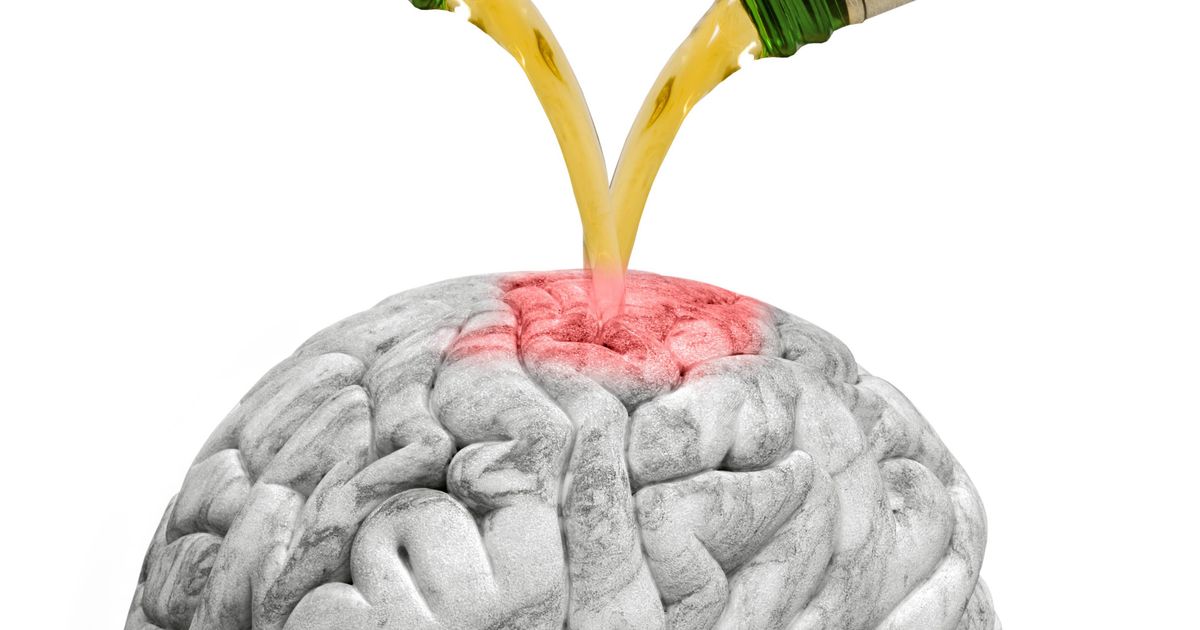
Protecting Your Brain Health: Why Rethinking Alcohol Consumption Matters
As we age, maintaining cognitive function becomes increasingly critically important. New research and expert opinions are highlighting a significant, often underestimated, factor in long-term brain health: alcohol consumption. Leading neurologist Dr.Richard Restak recommends complete alcohol abstinence for individuals over the age of 65, citing a substantially increased risk of dementia.
The link between excessive drinking and dementia isn’t new. The Alzheimer’s society has consistently cautioned about this connection, explaining that alcohol impacts the brain’s white matter – crucial for optimal brain function. Dr. Restak, author of “How to Prevent Dementia: An Expert’s Guide to Long-Term Brain Health,” is direct in his assessment, labeling alcohol a “direct neurotoxin.”
He emphasizes that this recommendation isn’t alarmist, but a proactive measure. “At that age,alcohol increases your risk of health problems,including dementia,” he states. However, his advice extends beyond those nearing 65. Dr. Restak encourages everyone to evaluate their relationship with alcohol, particularly if it’s used as a coping mechanism for mood regulation, relaxation, or self-esteem.
Long-term, heavy alcohol use can lead to severe neurological consequences, most notably Wernicke-Korsakoff syndrome. This debilitating condition causes significant memory loss and results from both the toxic effects of alcohol and a common vitamin B1 deficiency among heavy drinkers.
While 65 may seem distant for many, health professionals agree that it’s never too early to assess your drinking habits. Reducing alcohol intake – or eliminating it entirely – can have a profound positive impact on both your physical and mental wellbeing in the years to come. Prioritizing a healthy brain for the future may be a more rewarding choice than immediate gratification.
