
Hearing Aids Linked to Significantly Lower Dementia Risk, New Study Finds
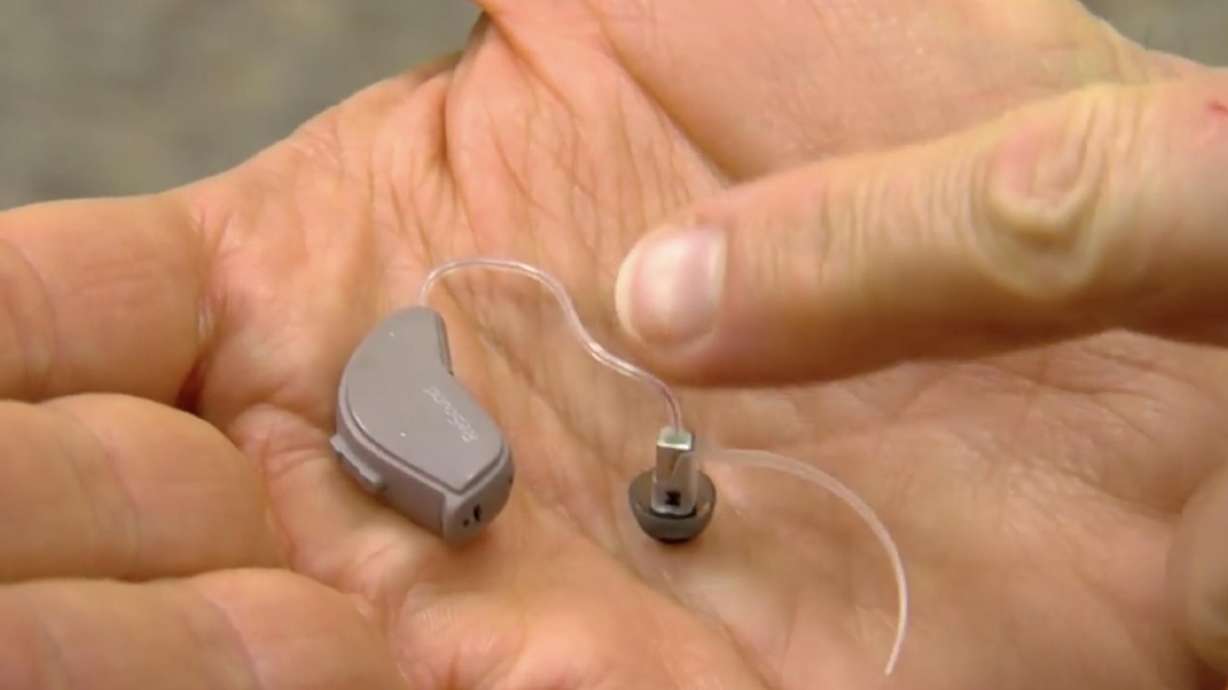
SALT LAKE CITY – A new 20-year study reveals adults who begin using hearing aids before age 70 may experience a 61% reduction in their risk of developing dementia. Published in the Journal of the American Medical Association, the research followed thousands of participants and demonstrated the most significant benefits for those who addressed hearing loss early, before it became severe.
Hearing loss can manifest gradually or suddenly, according to Richard Phillips, a hearing instrument specialist with House of Hearing in Moab. untreated hearing loss forces the brain to work harder to interpret sounds, potentially accelerating cognitive decline.
“Hearing loss can be gradual or it can be quickly overnight,” Phillips said.
Scott Patterson, who has lived with hearing loss for 20 years, initially hesitated to use hearing aids due to concerns about appearance. “I was always a little concerned about, well, I don’t want people to see that I have hearing aids, I don’t want to look older,” he recalled.
However, Patterson described a profoundly positive experience when he first used them. “I still remember getting back in my car and turning on the music and almost coming to tears because I coudl actually hear the full sound,” he said.
While experts emphasize that hearing aids won’t prevent all cases of dementia, they represent a simple intervention to improve communication, combat social isolation, and support long-term brain health. They can also contribute to better balance, reducing the risk of falls.
“What we’ve noticed is the ones that wear them all the time, you can just tell, their cognitive skills seem to be sharper, more alert,” Phillips said. “It improves your life and makes the people around you a lot happier, also.”
Health providers recommend baseline hearing tests starting around age 60, with manny clinics offering free screenings.
