
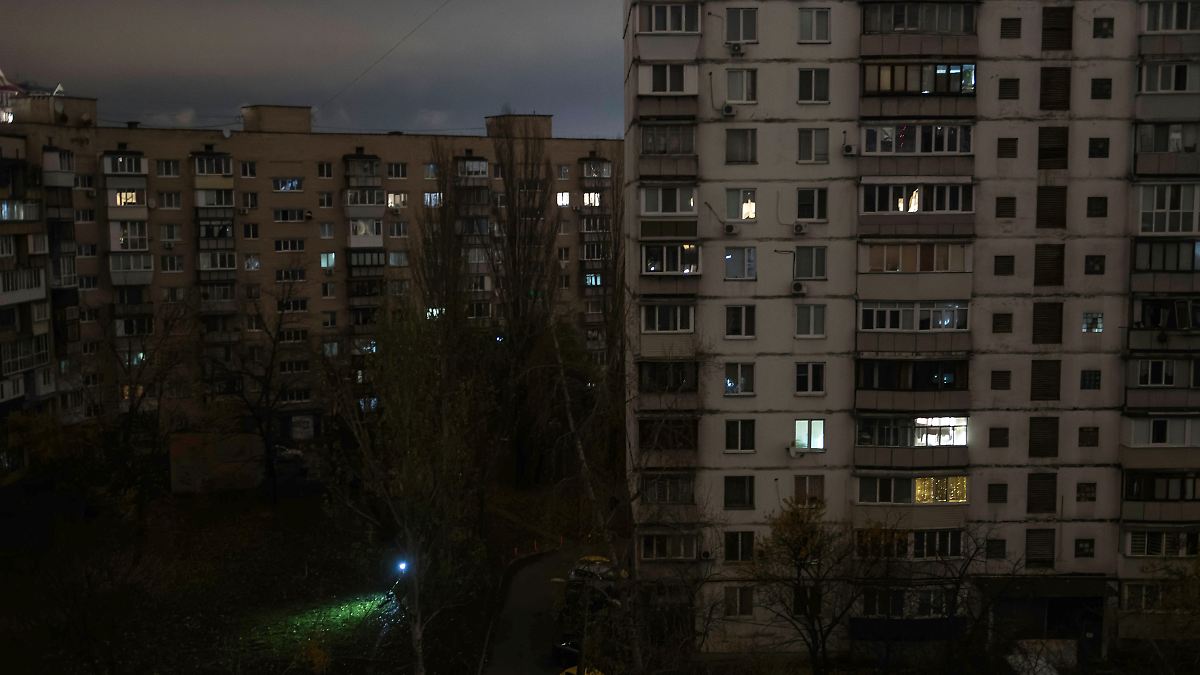
Ukraine Braces for a Dark Winter as Russia Targets Energy Infrastructure
Recent Russian attacks, especially the intense strikes of October 10th, signal a shift in strategy: a focused effort to cripple Ukraine’s energy infrastructure and paralyze urban life, specifically in major cities like Kyiv. While a complete nationwide blackout hasn’t materialized, the intentional targeting of power plants and related systems is creating a deeply precarious situation as winter approaches.
The Kremlin’s focus extends beyond simply cutting electricity. Disrupting power supplies directly impacts the availability of heating and water, essential services as temperatures plummet. Kyiv has already been forced to delay the start of its heating season by two weeks, and many residents are already experiencing inadequate heating in their homes. This vulnerability is compounded by earlier russian actions that destroyed up to 60% of Ukraine’s gas reserves,leaving the country heavily reliant on imports to maintain even a basic level of warmth.
initial assessments were more hopeful, but the ferocity of the October 10th attacks proved unexpectedly devastating. Russian forces appear to have inflicted significant damage on two of Kyiv’s key thermal power plants, damage that has not been publicly downplayed. The attack immediately plunged the eastern part of the city into darkness, sparking public disagreement between President Volodymyr Zelenskyy and Kyiv Mayor Vitali Klitschko.
Zelenskyy voiced concerns about the cost-effectiveness of using expensive defense missiles to intercept relatively cheap drones, suggesting that too many were reaching their targets. He also questioned the adequacy of protective measures surrounding Kyiv’s power plants.
Adding to the anxiety is the precarious state of the Trypillya coal-fired power plant, located south of kyiv. Though heavily damaged in the spring of 2024, it was partially repaired and resumed operation. As one of Ukraine’s largest and most vital power sources,supplying electricity to Kyiv and neighboring regions like Zhytomyr,it has consistently been a prime target for Russian attacks.
Despite initial assurances from former energy minister Ivan Platschkov that Kyiv possessed sufficient energy capacity and renovated networks, he cautioned that safety margins have substantially diminished as the start of the war. While repairs to damaged infrastructure are underway, the buffer is dangerously thin, creating a tense and volatile situation.
Experts now predict that Kyiv is likely facing a winter with intermittent power outages, potentially for around half of each day, depending on the severity of the weather. Though, a far more dire scenario – weeks-long blackouts – remains a distinct possibility if Russia continues to successfully target and disable critical infrastructure.
Oleksandr Tcharchenko, director of the Center for Energy Research, paints a stark picture. He warns that if Kyiv’s thermal power plants remain offline for even three days during sub-zero temperatures, an evacuation of the capital would become necessary. Tcharchenko, known for his measured analysis, describes such a scenario as a “man-made catastrophe,” highlighting the gravity of the situation facing Ukraine this winter.
