
Chikungunya Fever spreads in China, raising Global Health Concerns
Table of Contents
A surge in Chikungunya fever cases has been reported in China, with over 7,000 infections recorded in July. The United States Centers for Disease Control and Prevention (CDC) has issued a travel warning for U.S.citizens planning to visit Guangdong province, closely monitoring the outbreak’s progression.
The epidemic is particularly concentrated in Foshan, but cases have also been detected in Hong Kong and Guangzhou. Health officials attribute the increase to seasonal factors,specifically high temperatures and stagnant water,which create ideal breeding conditions for Aedes aegypti and Aedes albopictus mosquitoes – the vectors responsible for transmitting the virus.
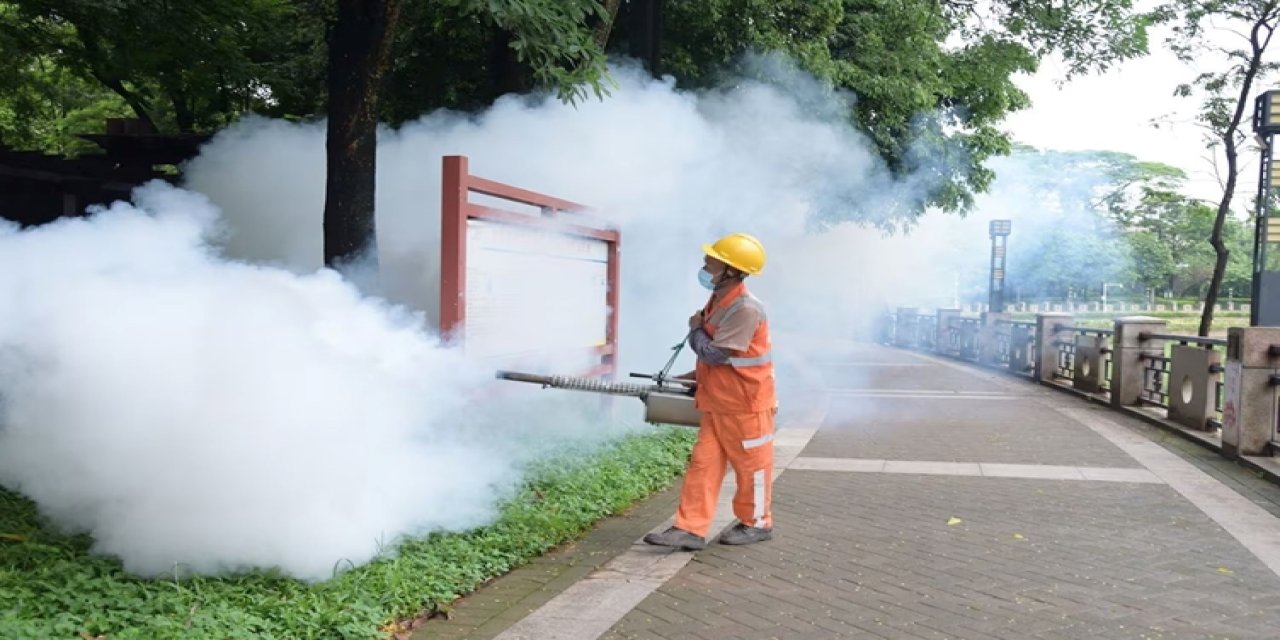
Chinese health authorities are actively working to control the outbreak through measures such as eliminating stagnant water sources, conducting widespread insecticide spraying, and launching public awareness campaigns. In affected regions, patients are receiving treatment in specialized areas protected by mosquito nets, and quarantine protocols are being implemented.
International Response
The CDC advises travelers to China to exercise caution, emphasizing its ongoing surveillance of the situation. The World Health Association (WHO) has acknowledged the potential for Chikungunya to escalate into a global epidemic, though it has not yet issued a specific warning for China.
Understanding Chikungunya Fever
Chikungunya is a viral disease transmitted to humans through the bite of infected Aedes aegypti and Aedes albopictus mosquitoes. The name “Chikungunya” originates from the Kimakonde language spoken in Tanzania, meaning “that which bends up,” referencing the debilitating joint pain associated with the illness.
Common symptoms include:
- Sudden onset of high fever
- Severe joint pain, swelling, and inflammation
- Headache and muscle pain
- skin rash
- weakness and fatigue
Symptoms typically appear 4-8 days after a mosquito bite. While rarely fatal, the illness can be more severe in elderly individuals, newborns, and those with underlying chronic health conditions. joint pain can persist for weeks, months, or even years. Importantly, the virus is not spread through direct human-to-human contact.
Treatment and Prevention
Currently, there is no specific antiviral treatment for Chikungunya fever. Management focuses on alleviating symptoms through pain relievers, antipyretics, adequate fluid intake, and rest.The U.S. Food and Drug Governance (FDA) has approved two vaccines, IXCHIQ and VIMUNYA, offering protection for individuals traveling to high-risk areas.
Evergreen Insights
chikungunya fever is not a new disease. It was first identified in Tanzania in 1952 and has since spread to various regions across Africa, Asia, Europe, and the Americas. Historically, outbreaks have been linked to increased mosquito populations following periods of heavy rainfall or inadequate vector control measures. The global distribution of Aedes mosquitoes, coupled with international travel, contributes to the ongoing risk of outbreaks in new areas. understanding the lifecycle of the mosquito and implementing effective mosquito control strategies are crucial for preventing future epidemics.
Frequently Asked Questions
- Is Chikungunya life-threatening? While rarely fatal, Chikungunya can cause notable morbidity due to prolonged joint pain and disability.
- How is Chikungunya diagnosed? Diagnosis typically involves blood tests to detect the presence of the virus or antibodies.
- Can I get Chikungunya more than once? Yes, even though subsequent infections might potentially be less severe.
- What can I do to protect myself from Chikungunya? Use insect repellent, wear long sleeves and pants, and eliminate standing water around your home.
Disclaimer: This article provides general information about Chikungunya fever and should not be considered medical advice. Consult with a healthcare professional for diagnosis and treatment.
