
Globalization’s Retreat Fuels New Economic Tensions
Transatlantic Trade Deal Echoes Past Aspirations Amidst Shifting Global Power
Disagreements simmer over a recent United States-European Union agreement, with contrasting views emerging. While former Minister Vladimir Dlouhý deems it suboptimal, German Chancellor Friedrich Merz asserts the EU successfully protected its core interests. This debate revisits the ambitions of the Transatlantic Trade and Investment Partnership (TTIP), initiated over a decade ago.
TTIP’s Faded Promise
The TTIP negotiations aimed to dismantle remaining customs barriers between the EU and the USA. Proponents lauded its potential for widespread economic benefits, forecasting increased GDP and job creation across participating nations. European Trade Commissioner **Karl de Gucht** even projected an average household gain of €545, a figure widely circulated despite its ambitious nature.
Intensive discussions and public forums across Europe debated TTIP’s advantages. However, in 2017, then-U.S. President **Donald Trump** withdrew from the negotiations, abruptly halting the pact’s progress.
The Unraveling of Global Integration
TTIP was envisioned as a cornerstone of globalization, a force connecting economies and societies worldwide. This ideology promised unrestricted movement of investments, goods, and people, a vision frequently discussed in academic and public spheres. This era of optimism, however, appears to be receding.
The current global landscape is marked by escalating price wars and tariffs, a stark contrast to the earlier pursuit of economic integration. Cultural exchange has been overshadowed by campaigns against misinformation, and international cooperation has given way to concerns about foreign agents and espionage.
Beyond Personalities: Shifting Corporate Tactics
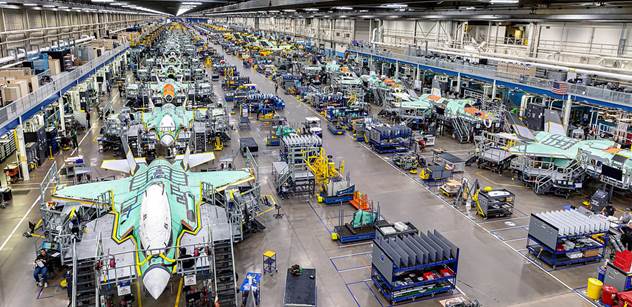
Attributing globalization’s decline solely to figures like **Donald Trump** or **Vladimir Putin** presents an oversimplified view. The underlying shifts are more deeply rooted in changing strategies employed by multinational corporations. Historically, these entities sought to maximize profits by producing in low-cost regions, selling in high-income markets, and minimizing tax liabilities through tax havens.
Today, the influence of powerful sectors, including mining, armaments, and pharmaceuticals, appears to be reshaping global economic policies. These industries often operate with less regard for typical market dynamics, dictating terms to governments who cite national security concerns related to energy, defense, and health.
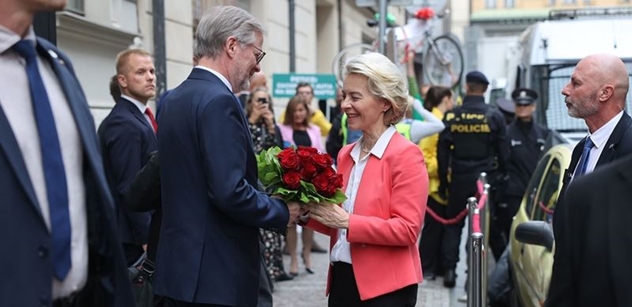
The appointment of **Ursula von der Leyen** to lead the European Commission is seen by some as reflecting these powerful interests. Her background as a former Defense Minister suggests strong ties to the armaments industry, while her association with the Green Deal positions her within the energy sector. Furthermore, her connections to pharmaceutical giants are described as extensive. This alignment, it is argued, explains provisions within recent agreements that compel Europe to purchase substantial amounts of weaponry from U.S.-aligned corporations.
The New Norm: Barriers Over Borders
The initial promise of globalization was the unfettered movement of capital, goods, and labor. However, the increasing prioritization of strategic industries has led to the implementation of trade barriers, sanctions, and complex regulations. This shift inherently restricts the free flow of investments and commerce.
Amidst these evolving global dynamics, the mass movement of people across continents continues, a tangible remnant of the interconnectedness once envisioned by globalization. A recent report by the International Organization for Migration indicates that global migrant stock reached 281 million in 2020, highlighting the persistent human element in an increasingly fragmented world (IOM, 2020).
