
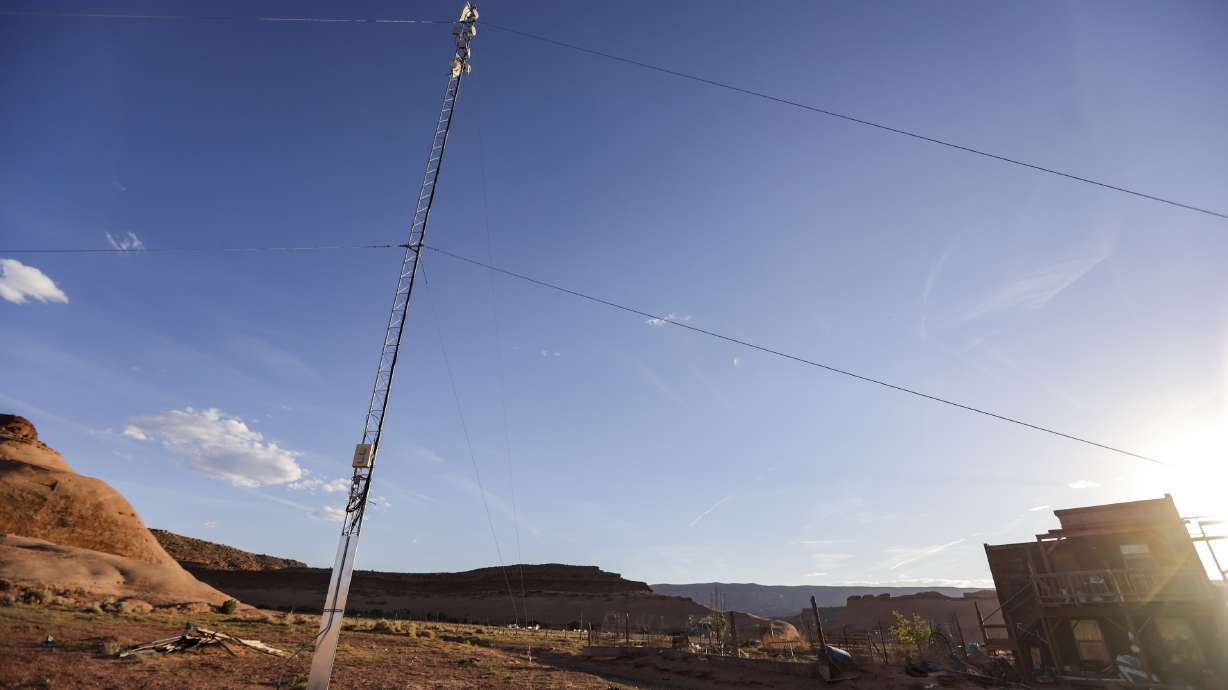
Utah Broadband Expansion Faces Setbacks as Federal Funding Restructured
Table of Contents
- Utah Broadband Expansion Faces Setbacks as Federal Funding Restructured
SALT LAKE CITY – Utah’s aspiring plans to expand broadband access are facing notable hurdles as federal funding programs undergo restructuring. The state’s efforts to close the digital divide, which leaves 43,500 Utah homes and businesses without reliable internet, are now complicated by changes to key funding initiatives.
Federal Funding Changes Impact Utah’s Broadband Initiatives
The Utah Legislature established the Utah Broadband Center in 2021, alongside the digital Connectivity Plan, to address the state’s connectivity challenges. This plan relied heavily on two federal funding streams.
The first, and largest, was the Biden administration’s “Internet for All” initiative, which allocated $317 million to Utah through the Broadband Equity, Access, and Deployment (BEAD) program. However, the National telecommunications and Information Administration (NTIA) recently released restructuring plans for the BEAD program, requiring states to reapply under new criteria. This has caused delays for internet service providers who had previously applied to implement fiber-optic solutions.
Did You Know? The NTIA’s restructuring plan cited “superfluous requirements imposed by the Biden administration” as a reason for the changes, claiming they made the BEAD program more complex and expensive.
the second funding avenue, part of the Infrastructure Investment and Jobs Act, initially granted Utah $7.8 million for accessibility improvements. However, according to Rebecca Dilg, director of the Utah Broadband Center, this funding has been rescinded.
utah Broadband Center Responds to Funding Changes
“The funding was pulled. So, the $7.8 million that was allocated to the state of Utah is gone. We do not have that at all,” Dilg stated during a meeting with the Utah Legislature’s Public Utilities, Energy and Technology Interim Committee.She added that the state has a 90-day window, starting June 6, 2025, to rerun the grant round and is actively reapplying for funds.
Dilg explained that the utah Broadband center is focusing on locations that were not selected in the first round of funding and requiring previous applicants to resubmit their proposals.
Affordable Connectivity Program Ends, Further Impacting Utahns
Adding to the challenges, june 2024 marked the end of the Affordable Connectivity Program (ACP) due to a lack of congressional funding. This program provided eligible households with a monthly discount of up to $30 (or up to $75 for households on tribal lands) and a one-time $100 discount on a device.
Over 75,000 Utah households benefited from the ACP, receiving over $40 million in funding. Utahns saved approximately $2.2 million each month on internet bills through this program.
Pro Tip: explore local community resources and non-profit organizations that may offer assistance with internet access for low-income households.
The digital Divide Persists
Dilg emphasized the importance of connecting more Utahns to the internet, recounting an experience where a homeless woman was directed to online resources for housing services. “I thought, ‘This is a homeless person, and we’re directing them to go online?'” Dilg said, highlighting the pervasive “digital divide” that leaves many behind.
| Program | Initial Allocation | Current Status |
|---|---|---|
| BEAD Program | $317 million | Restructuring, Reapplication Required |
| infrastructure Investment and Jobs Act | $7.8 million | Funding Pulled |
| Affordable Connectivity Program | $40+ million (total benefits) | Ended June 2024 |
What are the long-term implications of these funding changes for Utah’s broadband infrastructure? How can Utahns advocate for continued investment in broadband access?
Understanding the Digital Divide: context and Historical Trends
The “digital divide” refers to the gap between those who have access to modern information and interaction technologies, like broadband internet, and those who do not.This divide can be based on factors such as income, location (rural vs. urban), education, and age. Closing this gap is crucial for ensuring equal access to education, employment opportunities, healthcare, and civic engagement.
Historically, government initiatives and private sector investments have played a significant role in expanding broadband access. The Telecommunications Act of 1996, for example, aimed to promote competition and innovation in the telecommunications industry, leading to increased investment in infrastructure.However, challenges remain, particularly in rural and underserved areas where the cost of deployment can be prohibitive.
Frequently Asked Questions About Utah Broadband Access
What resources are available for Utahns struggling to afford internet service?
While the Affordable Connectivity Program has ended, some internet service providers offer low-cost plans. Additionally, non-profit organizations and community centers may provide free or discounted internet access and digital literacy training.
How can I find out if my area is considered “underserved” in terms of broadband access?
You can check the Utah Broadband Center’s website or the FCC’s National Broadband Map to see broadband availability in yoru area.
What is Utah doing to promote digital literacy?
The Utah Broadband Center and other organizations offer digital literacy training programs to help residents develop the skills they need to use the internet effectively.
What steps can be taken to ensure equitable access to broadband internet for all Utah residents? Share your thoughts in the comments below!
