
Colombian Mercenaries Arrested in Mexico After Deadly Mine Attack on Soldiers
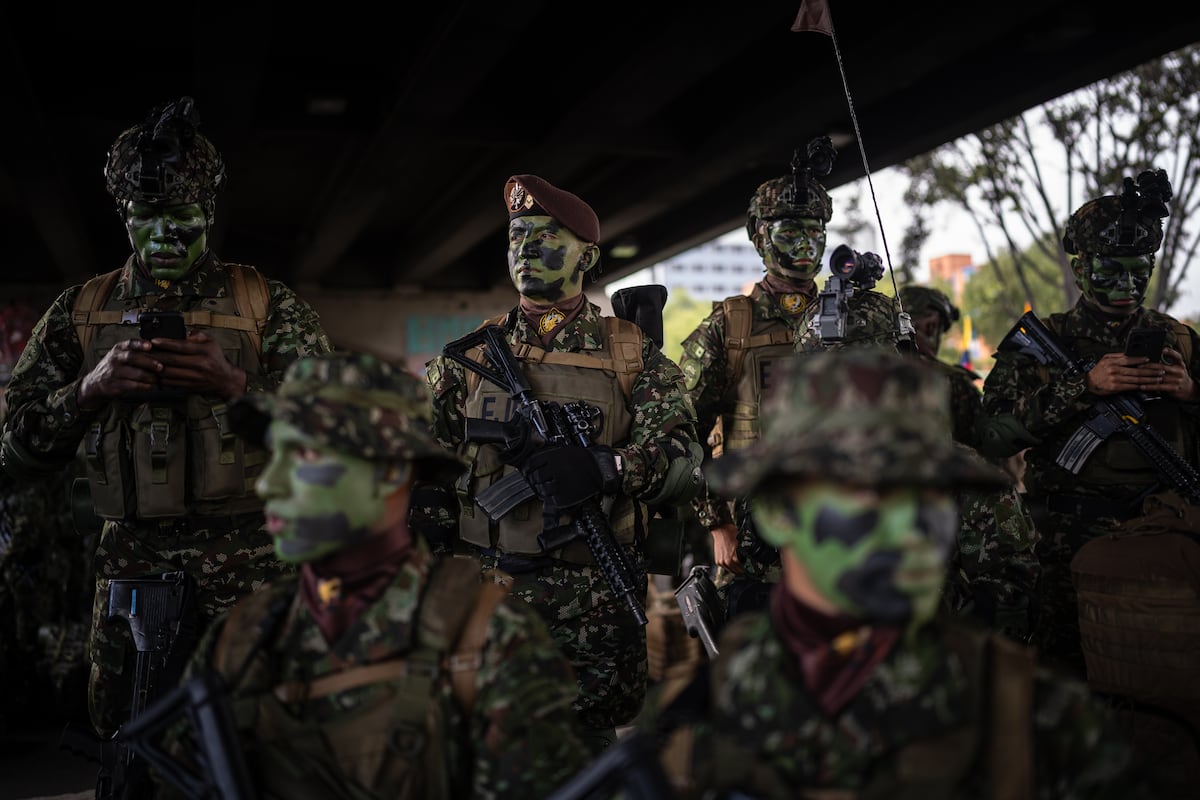
In a major advancement in the fight against organized crime, Mexican authorities have apprehended 17 individuals, including 12 Colombian nationals, in connection with the deadly ambush of Mexican soldiers. The Secretary of Security, Omar García Harfuch, announced the arrests, linking the group to the use of an antipersonnel mine that killed eight soldiers in the municipality of Los Reyes, Michoacán.
Details of the Arrests and Suspects
The arrested Colombians include nine former military personnel with extensive experiance and three with specialized weapons training, according to Harfuch. Authorities believe these individuals are part of a transnational recruitment network used by drug cartels. Initial investigations suggest the suspects entered Mexico legally.
Did You know? The Jalisco New Generation Cartel (CJNG) is considered one of the most powerful and violent drug cartels in Mexico, responsible for numerous acts of violence and drug trafficking. The U.S. drug Enforcement administration (DEA) considers the CJNG to be one of the primary drug trafficking threats facing the United States.
The Deadly Ambush
On May 27, a National Guard convoy was struck by an antipersonnel mine while patrolling near El Santuario in Los Reyes. The explosion resulted in the immediate deaths of six soldiers, with two more succumbing to their injuries after being transported to a hospital in Apatzingán. The attack occurred in a region known to be a stronghold of the Jalisco New Generation Cartel (CJNG).
Transnational Recruitment by Cartels
Security officials are increasingly concerned about the trend of Mexican cartels recruiting foreign nationals with military backgrounds. Harfuch stated that the head of the National Intelligence Center met with his Colombian counterpart to discuss the issue. To date, 69 individuals have been returned to Colombia after interviews at the Mexico City airport, where authorities, in coordination with the Secretariat of the Navy, are questioning new arrivals about potential cartel recruitment.
The border region between Michoacán and Jalisco has become a key battleground in the Mexican government’s efforts to combat organized crime. This area, along with Guanajuato, is a major stronghold for the CJNG.
Pro Tip: When traveling internationally, always be aware of your surroundings and avoid contact with suspicious individuals or groups. Report any suspicious activity to local authorities.
Colombian Government’s Response
Colombian President Gustavo Petro confirmed that the arrested individuals were indeed former members of the Colombian armed forces.He condemned their recruitment by the Los Reyes cartel, which is currently engaged in a territorial dispute with the CJNG in Michoacán. petro emphasized the need to prohibit mercenarism and prevent the misuse of military knowledge gained through public funds.
Alfredo molano, the Colombian consul in Mexico, suggested that many ex-military personnel are lured into trafficking networks under false pretenses, offered high-paying security jobs. Upon arrival in Mexico, they are often threatened and have their documents confiscated to prevent them from escaping.
Deception and High Wages
Testimonies from relatives of recruited ex-military personnel reveal that they are often promised security jobs on citrus plantations with generous benefits and the promise of returning to Colombia within six months. Though, survivors report that the reality is far different, involving heavily armed individuals and high-end vehicles, far removed from legitimate security work.
Alternatively, some individuals may be enticed by the high wages offered by cartels. Reports indicate that these wages can reach approximately 37,000 pesos (almost $2,000 USD) per month for those who survive defending the CJNG’s interests.
Ongoing Investigations
The Ministry of Security is continuing its investigations and maintaining close communication with Colombian authorities to prevent further recruitment activities.
Key Figures in the Arrests
| Name | Role | Details |
|---|---|---|
| Omar garcía Harfuch | Secretary of Security, Mexico | announced the arrests and linked the suspects to the mine attack. |
| Gustavo Petro | President of Colombia | Confirmed the suspects were ex-military and condemned their recruitment. |
| Alfredo Molano | Colombian Consul in Mexico | Suggested that ex-military personnel are lured by false promises. |
The Broader Context of Cartel Violence in Mexico
The arrest of Colombian mercenaries highlights the escalating violence and complex dynamics of drug cartels in Mexico. The cartels’ ability to recruit foreign nationals with military expertise underscores their growing power and sophistication. According to a 2023 report by the International Crisis Group, the fragmentation of cartels and the rise of new criminal groups have intensified conflicts and increased the demand for skilled fighters.
The Mexican government’s ongoing efforts to combat these cartels have faced numerous challenges, including corruption, limited resources, and the cartels’ deep entrenchment in local communities. The recruitment of foreign mercenaries adds another layer of complexity to the situation, requiring international cooperation to address the transnational nature of the problem.
Frequently Asked Questions About Mercenaries and Cartel Activity
- What is the legal status of mercenaries in international law?
- The legal status of mercenaries is complex and varies depending on the country. Some countries prohibit their citizens from serving as mercenaries,while others have no specific laws against it. International law, especially the Geneva conventions, addresses the treatment of mercenaries in armed conflicts.
- How does the recruitment of mercenaries impact local communities in Mexico?
- The presence of mercenaries and increased cartel activity can have devastating effects on local communities, leading to increased violence, displacement, and economic instability. Many residents live in fear and are forced to flee their homes to escape the violence.
- What role does international cooperation play in combating cartel activity?
- International cooperation is crucial in combating cartel activity, as it allows for the sharing of intelligence, resources, and best practices. Collaboration between countries can help disrupt cartel operations, prevent the flow of drugs and weapons, and address the underlying factors that contribute to the problem.
- What are the long-term solutions to addressing cartel violence in Mexico?
- Long-term solutions to addressing cartel violence in Mexico require a multi-faceted approach that includes strengthening law enforcement, addressing corruption, promoting economic development, and investing in education and social programs.It also requires addressing the root causes of drug demand in other countries.
- How can individuals protect themselves from being recruited by cartels?
- Individuals can protect themselves from being recruited by cartels by being cautious of job offers that seem too good to be true, avoiding contact with suspicious individuals or groups, and reporting any suspicious activity to local authorities. It is also vital to be aware of the risks and dangers associated with cartel activity.
Disclaimer: This article provides general details and should not be considered legal or security advice. consult with qualified professionals for specific guidance.
What are your thoughts on the use of foreign mercenaries by drug cartels? How can international cooperation be strengthened to combat this issue? Share your comments below and subscribe for more updates.
