
60 Years After ICERD, Racial Discrimination Persists Globally
Today marks 60 years since the adoption of the International Convention on the Elimination of All Forms of Racial Discrimination (ICERD), yet millions worldwide continue to experience racial discrimination in areas like policing, migration policies, and exploitative labor.
Amnesty International has documented numerous instances of this ongoing injustice. In Brazil, a deadly police operation in Rio de Janeiro’s favelas this October resulted in the massacre of over 100 people, disproportionately Afro-Brazilians and those living in poverty. In Tunisia,authorities have used migration policies for the past three years to carry out racially targeted arrests,detentions,and mass expulsions of Black refugees and asylum seekers. Kenyan female domestic workers in saudi Arabia face racism and abusive working conditions.
The United states has seen the elimination of diversity, equity, and inclusion (DEI) initiatives aimed at tackling systemic racism across federal agencies. furthermore, Immigration and Customs Enforcement (ICE) raids targeting migrants and refugees, driven by white supremacist narratives under President Trump, are a horrifying reality.Detention centers hold migrants subjected to torture and purposeful neglect.
New digital technologies are also exacerbating the problem, automating and entrenching racism, while social media platforms inadequately moderate racist and xenophobic content. Amnesty International’s inquiry into the UK’s Southport racist riots revealed that X’s design and policies fostered the inflammatory narratives that led to violent attacks on muslims and migrants. Even human rights defenders from the Global South face racial discrimination when applying for visas to attend crucial human rights meetings in the Global North.
Haunting legacy of European colonialism
These systemic issues are deeply rooted in the legacies of European colonial domination and the racist ideologies that underpinned it – a period spanning nearly four centuries and six continents,marked by atrocities like the erasure of Indigenous populations and the transatlantic slave trade. The resurgence of anti-rights movements globally has fueled racist rhetoric, scapegoating of migrants and refugees, and a rollback of anti-discrimination measures.
As Melissa Hendrickse and Rym Khadhraoui state, “All these instances of systemic racism have their roots in the legacies of European colonial domination and the racist ideologies on which they were built.”
Western states have also been criticized for dismantling international law and institutions to legitimize Israel’s genocide against Palestinians in Gaza and shield Israeli authorities from accountability.
Justice and reparations
Global South countries are leading the fight against racial oppression. South Africa brought the case against Israel at the International Court of Justice and cofounded The Hague Group,a coalition demanding accountability for genocide.
On the front of reparations, Caribbean and African states, alongside Indigenous peoples and people of African descent, are pushing for justice. The Caribbean Community (CARICOM) is pressuring European governments to address their colonial past, exemplified by a recent visit to the UK by the CARICOM Reparations Commission. The African Union recently declared 2026-36 the Decade of Reparations, and leaders gathered in Algiers to consolidate demands for the codification of colonialism as a crime under international law.
However,more is needed. States must confront racism as a structural and systemic issue, acknowledging the lasting impact of slavery and colonialism.
As Hendrickse and Khadhraoui emphasize, “States still need to confront racism as a structural and systemic issue, and stop pretending slavery and colonialism are a thing of the past with no impact on our present.”
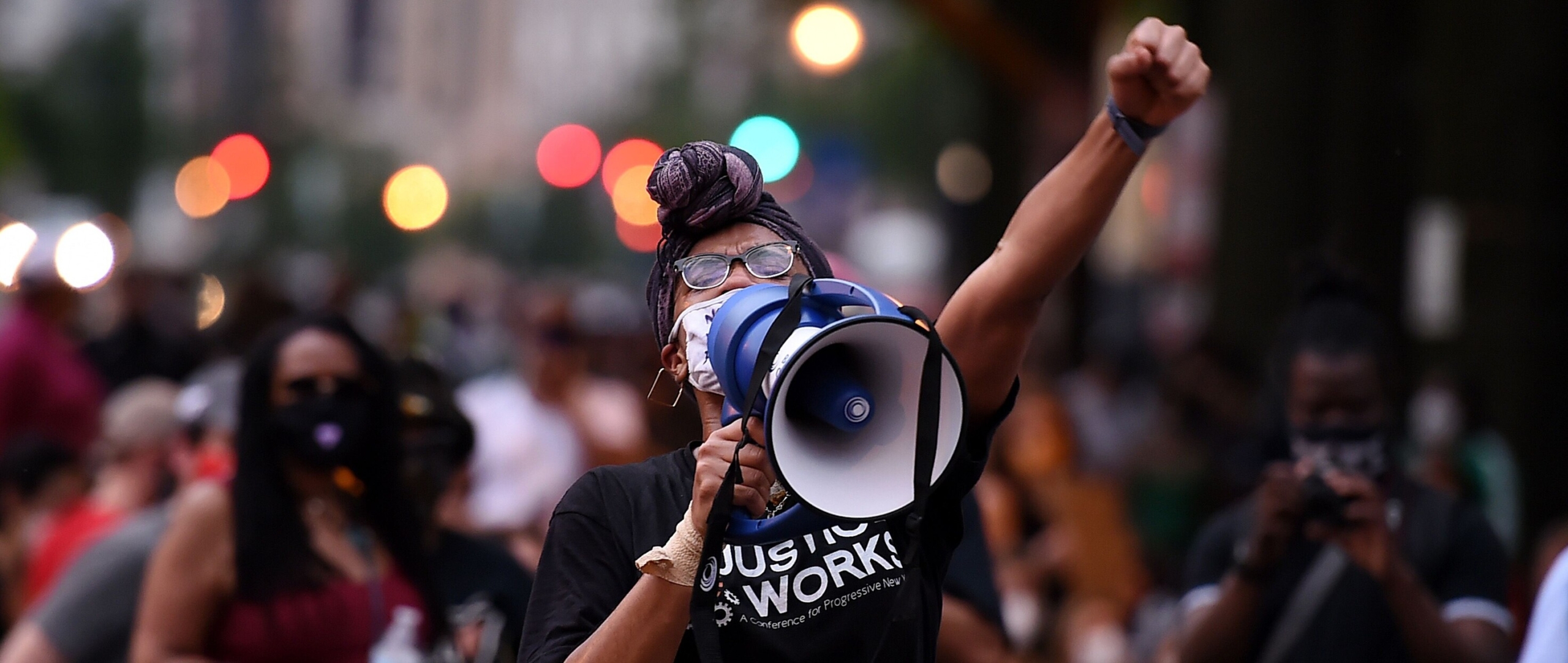
Across the world,resistance is growing. In Brazil, hundreds of thousands of Afro-Brazilian women participated in the March of Black Women for Reparations and Wellbeing.In the US, protests erupted in Los Angeles against federal immigration raids, and communities in Chicago mobilized to protect migrant populations.
Governments must listen to their people and fulfill their obligations under ICERD and national law to protect marginalized and oppressed communities. The fight continues until racism is truly a thing of the past.
This story was originally published in Al-Jazeera here.
