
Xi Invites Taiwan’s Opposition Leader to First Visit Since 2016
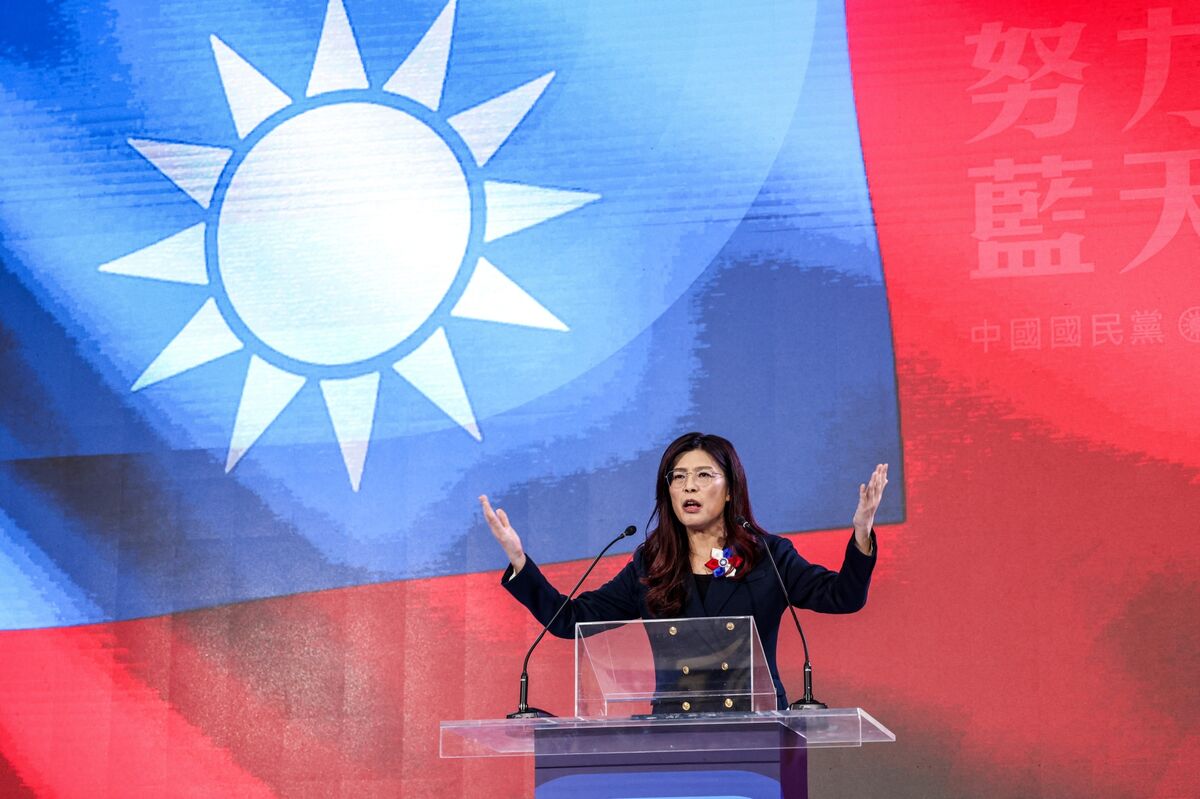
President Xi Jinping has extended an invitation to Cheng Li-wun, chairwoman of Taiwan’s Kuomintang party, for a visit to China from April 7-12 – the first such invitation to a major Taiwanese opposition figure in a decade. This move, occurring just weeks before a planned summit between Xi and Donald Trump in Beijing, signals a potential shift in cross-strait relations and introduces fresh complexities into the already fraught geopolitical landscape. The visit also comes amid growing pressure from the US for Taiwan to increase its defense spending.
A Calculated Overture: Beijing’s Strategy
The invitation to Cheng Li-wun isn’t a spontaneous gesture. It’s a carefully calibrated move by Beijing, designed to exploit divisions within Taiwan’s political sphere. Cheng, unlike current Taiwanese President Lai Ching-te, advocates for closer economic ties with the mainland and has publicly questioned the necessity of substantial increases to Taiwan’s defense budget. This stance directly aligns with Beijing’s long-held preference for peaceful reunification under the “One Country, Two Systems” framework – a model that has proven deeply unpopular in Taiwan following its implementation in Hong Kong. The timing is also crucial. With Donald Trump’s scheduled visit to Beijing looming, Xi Jinping is likely attempting to demonstrate a willingness to engage and de-escalate tensions, potentially offering Trump a diplomatic win. However, this engagement is selective, focusing on elements within Taiwan amenable to Beijing’s narrative. The Council on Foreign Relations provides extensive background on the complex history of US-China-Taiwan relations.
The Domestic Fallout in Taiwan
The response within Taiwan has been predictably mixed. The ruling Democratic Progressive Party (DPP), led by President Lai, has criticized the invitation as an attempt to interfere in Taiwan’s internal affairs and undermine its democratic institutions. They view Cheng’s willingness to engage with Beijing as a betrayal of Taiwan’s sovereignty. However, the Kuomintang (KMT) sees the visit as an opportunity to rebuild dialogue and explore avenues for peaceful coexistence. Cheng Li-wun herself has emphasized the importance of reducing tensions and fostering mutual understanding. She has also been vocal about the economic benefits of closer ties with China, a message that resonates with some segments of the Taiwanese population. This division highlights a fundamental tension within Taiwanese society: the desire for economic prosperity versus the preservation of democratic freedoms and self-determination. The KMT’s position, while controversial, reflects a genuine concern among some Taiwanese citizens about the escalating military pressure from China and the potential costs of a full-scale conflict.
“This visit is a high-stakes gamble for both sides. For Beijing, it’s a chance to sow discord and advance its reunification agenda. For Cheng Li-wun, it’s an opportunity to demonstrate her commitment to peace and dialogue, but also risks alienating a significant portion of the Taiwanese electorate.”
– Dr. Mei-Ling Chen, Professor of Political Science at National Taiwan University, speaking to World Today News.
The US Factor: Defense Spending and Geopolitical Implications
The United States remains a key player in this unfolding drama. President Trump has consistently pressured Taiwan to increase its defense spending, arguing that it needs to contribute more to its own security. He has also signaled a willingness to consider a more transactional approach to US-Taiwan relations, potentially linking security assistance to economic concessions. Cheng Li-wun’s stated desire to slash the defense budget, as reported by Bloomberg, directly contradicts this US demand and further complicates the relationship. This divergence in priorities could create friction between Washington and Taipei, potentially weakening the US’s ability to deter Chinese aggression. The implications extend beyond Taiwan. A shift in the cross-strait balance of power could have far-reaching consequences for regional stability and global trade. The Taiwan Strait is a vital shipping lane, and any disruption to maritime traffic would have a devastating impact on the global economy. The Brookings Institution offers in-depth analysis of the economic risks associated with a potential conflict in the Taiwan Strait.
Navigating the Legal and Financial Complexities
Businesses operating in Taiwan, or with significant investments there, face increasing legal and financial risks. The evolving political landscape necessitates careful due diligence and proactive risk management. Companies are increasingly seeking expert advice on navigating potential sanctions, trade restrictions, and political instability. Securing experienced international trade lawyers and risk management consultants is no longer optional – it’s a business imperative. The potential for increased military activity in the region raises concerns about insurance coverage and supply chain disruptions. Businesses should review their insurance policies and develop contingency plans to mitigate these risks. Accessing vetted marine insurance brokers and supply chain management specialists is crucial for ensuring business continuity.
A Table of Key Players and Their Positions

| Entity | Position |
|---|---|
| Xi Jinping (China) | Advocates for peaceful reunification under “One Country, Two Systems”; seeks to exploit divisions within Taiwan. |
| Cheng Li-wun (KMT, Taiwan) | Favors closer economic ties with China; seeks dialogue and reduced tensions; advocates for a smaller defense budget. |
| Lai Ching-te (DPP, Taiwan) | Resists Chinese interference; prioritizes Taiwan’s sovereignty and democratic institutions; supports increased defense spending. |
| Donald Trump (USA) | Demands increased Taiwanese defense spending; potentially open to a more transactional relationship with Taiwan. |
The Long View: A Shifting Regional Order
This invitation is not an isolated event. It’s part of a broader pattern of assertive Chinese foreign policy and a growing competition for influence in the Indo-Pacific region. Beijing is actively seeking to reshape the regional order in its favor, challenging the US-led security architecture and promoting its own vision of a “multipolar world.” The situation in Taiwan is a critical flashpoint in this competition. The outcome will have profound implications for the future of the region and the global balance of power. The US State Department’s website provides detailed information on US policy towards China and Taiwan. The coming weeks will be crucial. Cheng Li-wun’s visit to China will be closely watched by all stakeholders. The outcome of the summit between Xi Jinping and Donald Trump will also be a key determinant of the future trajectory of cross-strait relations. This is a moment that demands vigilance, strategic foresight, and a commitment to upholding democratic values. As the geopolitical landscape continues to evolve, staying informed and prepared is paramount. For businesses and individuals navigating these complex challenges, accessing verified expertise and reliable resources is essential. Explore the World Today News Directory to connect with vetted professionals equipped to support you mitigate risk and seize opportunities in this dynamic environment.