
Senate Rejects Trump Tariffs on Canada and Brazil Despite Presidential Pushback
The United States Senate voted Wednesday to overturn tariffs imposed on Canada, with a 50-46 margin approving a resolution to cancel the levies. This follows a similar vote last week against tariffs on Brazil, where five Republicans joined Democrats, compared to four in the Canada vote. The outcome represents a notable rebuke of President Trump’s trade strategy and is elaborate by a cold War-era rule preventing the full overturning of the president’s tariff decisions until March 2026.
The move comes amidst escalating trade tensions with Canada, triggered by a recent advertisement by the Canadian province of Ontario featuring former President Ronald Reagan advocating against tariffs and for globalization. President Trump responded by halting trade negotiations with canada and threatening an additional 10% tariff increase, on top of existing levies of 35% on some products and 50% on steel.
Vice President JD Vance, who also presides over the Senate, had cautioned Republican senators against challenging the White House’s tariff policy, arguing that import levies provide valuable leverage in trade negotiations. However, his warnings proved ineffective.
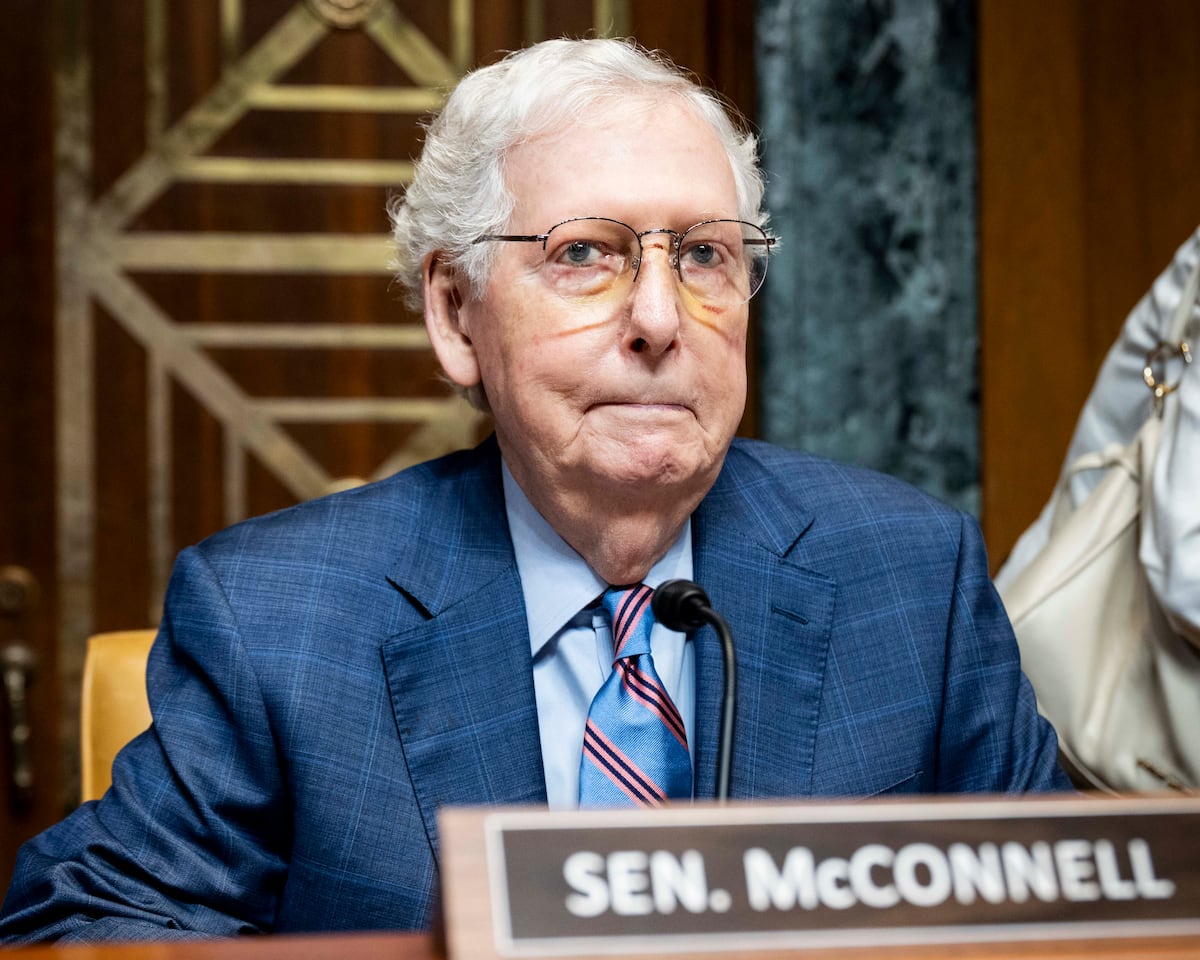
Senators Susan Collins (Maine),mitch McConnell (Kentucky),Lisa Murkowski (Alaska),and Rand Paul (Kentucky) were the Republicans who joined Democrats in voting to eliminate the Canadian tariffs. These same senators had previously voted with Democrats on a similar measure in April.Senator Paul also sponsored the resolution rejecting tariffs on Brazil.
Senator Tim Kaine (Virginia), a proponent of the resolution against the Canadian tariffs, stated his primary objection was the lack of a genuine emergency justifying their request, and highlighted the damage to the long-standing relationship between the US and canada. Senator Paul echoed this sentiment,arguing that disagreements over tariffs do not constitute an emergency and represent an abuse of executive power,as well as a relinquishing of Congress’s customary role in setting tax policy.
Currently, Canada remains the only G7 nation without a finalized trade agreement with the united states, despite recent indications from President Trump that a deal was nearing completion following a visit from canadian Prime Minister Mark Carney.
