
2026/01/22 00:42:21
UN Security Council Addresses Escalating Crisis in Iran, Warns Against military Intervention
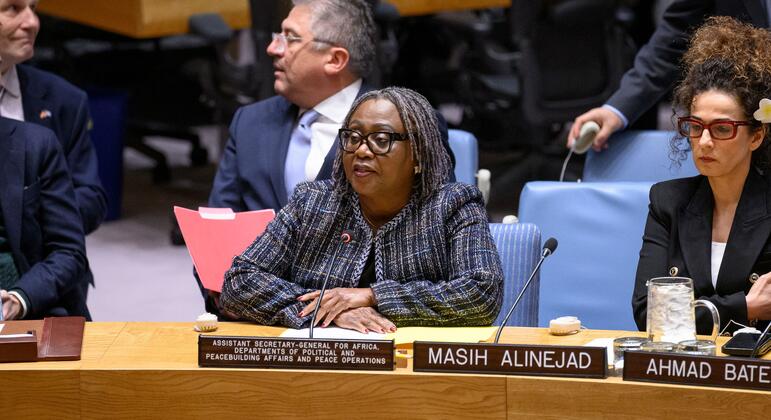
The united Nations Security Council convened an emergency meeting on January 22, 2026, at the request of the United States, to address the rapidly deteriorating situation in Iran. Assistant Secretary-General Martha Pobee delivered a sobering assessment, describing the ongoing protests as “fluid and deeply concerning,” while together expressing alarm over rhetoric suggesting potential military strikes against the nation. The international community is walking a tightrope, seeking to de-escalate tensions and prevent a wider regional conflict.
A Nation in Turmoil: The Roots of the Protests
the current wave of protests began on December 28th, sparked by economic grievances in Tehran. Shopkeepers initially took to the streets to protest the collapse of the national currency, soaring inflation, and a worsening economic outlook. These demonstrations quickly evolved into widespread anti-government unrest,echoing the large-scale protests that followed the death of Jina Mahsa Amini in September 2022. Amini, a Kurdish woman, died in police custody after being arrested for allegedly violating hijab laws, igniting a national outcry over women’s rights and government repression.
The current protests represent a critically important escalation of discontent, fueled by years of economic hardship, political restrictions, and social grievances. iran’s economy has been struggling under the weight of international sanctions, notably those imposed by the United States, and mismanagement. These economic pressures have disproportionately impacted the lower and middle classes, creating a fertile ground for unrest.
The Government Response and Allegations of Excessive Force
the Iranian government has responded to the protests with a heavy hand, imposing a near-total communications blackout to stifle dissent and limit the flow of information. Reports indicate that hundreds, and possibly thousands, of protestors and bystanders have been killed, with over 18,000 people estimated to be detained.though, the UN has been unable to independently verify these figures due to restricted access and the ongoing blackout.
UN Secretary-General António Guterres has voiced deep concern over the reported excessive use of force by Iranian authorities, reaffirming the basic rights to freedom of expression, association, and peaceful assembly. Human rights organizations have documented numerous instances of violence against protestors, including the use of live ammunition and arbitrary arrests. Human Rights Watch and Amnesty International have both called for self-reliant investigations into the alleged abuses.
The government, however, maintains that it was compelled to act against “organized terrorists” and “rioters” who infiltrated the protests, alleging they instigated violence and sought to provoke foreign intervention. These claims are disputed by many, including civil society representatives who have briefed the Security Council.
International Reactions and Diplomatic Efforts
the international community is deeply divided over how to respond to the crisis in Iran. The United States, under President Donald Trump, has strongly condemned the Iranian government’s actions and pledged support for the Iranian people. US Ambassador Mike Waltz warned that the repression has “repercussions for international peace and security” and held the regime accountable for the economic hardship and suppression of freedoms experienced by Iranians.
However, Iran’s Deputy Permanent Representative to the UN, Gholamhossein darzi, vehemently denounced the US position, accusing Washington of deliberately fueling unrest and spreading disinformation. He claimed the civil society briefers presented to the Council were aligned with the agendas of the United States and Israel.This underscores the deep-seated mistrust and geopolitical tensions that underpin the crisis.
assistant Secretary-General Pobee emphasized the need for diplomacy and dialog, echoing Secretary-General Guterres’ conviction that all concerns regarding Iran – including the nuclear issue and the ongoing protests – are best addressed through peaceful means. She warned that external military intervention would only exacerbate the situation, adding “volatility to an already combustible situation.”
Voices from Within: Civil Society Testimonies
The Security Council heard firsthand accounts from Iranian civil society representatives, including journalist and political dissident Masih Alinejad, who called for “real and concrete action” to bring justice to those responsible for the alleged massacres. Iranian-American human rights activist Ahmad Batebi shared his harrowing experience of being arrested,tortured,and falsely accused of being an American spy while a student protesting in Iran.
These testimonies provide a powerful and personal dimension to the crisis, highlighting the human cost of the government’s crackdown and the courage of those who continue to fight for freedom and human rights within Iran.
Looking Ahead: A Precarious Situation
The situation in Iran remains highly precarious. The combination of widespread protests,a repressive government response,and escalating geopolitical tensions creates a volatile environment with the potential for further escalation. The international community faces a critical challenge in finding a way to de-escalate the crisis, protect human rights, and promote a peaceful resolution. A continued emphasis on diplomacy, dialogue, and accountability will be essential to prevent a further deterioration of the situation and avoid a wider regional conflict.
The long-term implications of the current unrest are uncertain. However, it is clear that the Iranian people are demanding change, and their voices cannot be ignored. the future of Iran will depend on the ability of all stakeholders to engage in constructive dialogue and address the underlying grievances that have fueled the current crisis.
