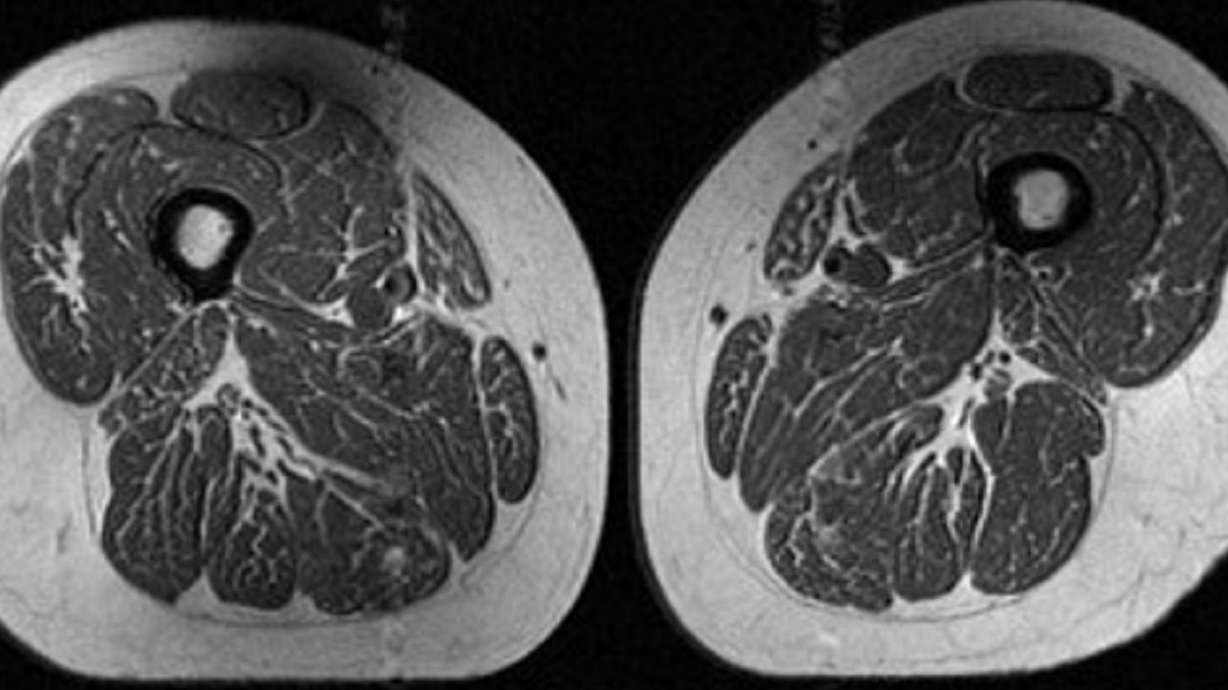
Ultra-Processed Foods Linked to Arthritis and Muscle Fat
The intersection of industrial food processing and systemic inflammation has reached a critical tipping point. Recent epidemiological data suggests that the pervasive consumption of ultra-processed foods (UPFs)—specifically cured meats like bacon—is no longer just a cardiovascular concern, but a primary driver of accelerated joint degradation and chronic arthritis.
Key Clinical Takeaways:
- High intake of ultra-processed foods triggers systemic inflammation, significantly increasing the risk of developing inflammatory arthritis.
- The “marbling” effect of ectopic fat deposition in muscle tissue, linked to UPFs, complicates metabolic health and joint stability.
- Reducing processed meat consumption is now viewed as a primary preventative measure against the pathogenesis of joint morbidity.
The clinical problem is not merely the presence of calories, but the biochemical composition of the modern diet. Ultra-processed foods are engineered for hyper-palatability, often utilizing emulsifiers, artificial sweeteners, and excessive sodium nitrates that disrupt the gut microbiome. This disruption leads to increased intestinal permeability, allowing pro-inflammatory cytokines to enter the bloodstream and settle in the synovial membranes of the joints. When we observe the prevalence of arthritis in populations with high UPF consumption, we are seeing the systemic manifestation of a metabolic crisis.
The Pathogenesis of UPF-Induced Joint Inflammation
The link between processed meats and arthritis is rooted in the promotion of oxidative stress and the activation of the NLRP3 inflammasome. According to research published in PubMed and supported by longitudinal cohorts, the high concentrations of advanced glycation end-products (AGEs) found in processed meats like bacon act as catalysts for joint tissue degradation. These compounds trigger a cascade of inflammatory responses that degrade cartilage and exacerbate the morbidity of rheumatoid and osteoarthritis.
This systemic inflammatory state is further complicated by the phenomenon of ectopic lipid deposition. Recent clinical observations highlight a disturbing trend where ultra-processed diets are altering human anatomy, effectively turning skeletal muscle—specifically in the thighs—into “marbled” tissue. This intramyocellular lipid accumulation is not benign; it is a marker of severe metabolic dysfunction that impairs the body’s ability to regulate glucose and manage systemic inflammation.
“We are observing a shift where the dietary environment is essentially priming the immune system for a chronic inflammatory state. The correlation between ultra-processed food intake and the acceleration of joint erosion is not coincidental; it is a direct result of metabolic dysregulation.” — Dr. Sarah Jenkins, PhD in Nutritional Epidemiology.
For individuals already presenting with early-stage joint stiffness or synovial swelling, the urgency of dietary intervention cannot be overstated. Managing these symptoms requires a multidisciplinary approach, often starting with a comprehensive evaluation by board-certified rheumatologists who can differentiate between mechanical wear and systemic autoimmune responses triggered by dietary antigens.
Epidemiological Vectors and Public Health Impact
The scale of this crisis is reflected in the broader public health data. Studies funded by the National Institutes of Health (NIH) have consistently shown that populations with the highest quintile of UPF consumption exhibit a significantly higher risk of comorbid metabolic syndrome and inflammatory joint disease. The biological mechanism of action involves the chronic elevation of C-reactive protein (CRP) and interleukin-6 (IL-6), which are hallmarks of systemic inflammation.
This is not a localized issue but a global trend. The World Health Organization (WHO) has repeatedly warned against the rise of non-communicable diseases (NCDs) driven by industrial food systems. The transition from whole foods to chemically synthesized alternatives has created a clinical gap where patients are treated for the symptoms of arthritis without addressing the nutritional drivers of the disease. This failure in the standard of care often leads to a reliance on long-term NSAID use, which brings its own set of contraindications, including gastrointestinal erosion and renal strain.
“The ‘marbling’ of human muscle is a visual representation of a systemic failure. When the body can no longer sequester fat in adipose tissue, it spills into the muscles and joints, fueling a fire of chronic inflammation that manifests as arthritis.” — Dr. Marcus Thorne, Clinical Nutritionist.
As the prevalence of these metabolic disorders rises, healthcare systems are facing an infrastructure bottleneck. Diagnostic centers are seeing an influx of patients requiring advanced imaging to assess the extent of joint damage. To ensure an accurate diagnosis and a tailored treatment plan, patients should seek out accredited diagnostic imaging centers capable of performing high-resolution musculoskeletal ultrasound and MRI to quantify cartilage loss.
Navigating the Regulatory and Clinical Gap
Despite the clear evidence, the regulatory framework for food labeling remains inadequate. The gap between clinical research and food policy allows ultra-processed foods to remain staples of the average diet. This creates a significant burden on primary care providers who must now act as nutritional counselors in addition to clinicians. The shift toward “food as medicine” is no longer a wellness trend but a clinical necessity to reduce the global burden of arthritis.

From a B2B perspective, the medical community is seeing a surge in demand for specialized nutritional interventions. Clinics are increasingly integrating registered dietitians who specialize in anti-inflammatory protocols to complement pharmacological treatments. As the legal landscape surrounding food additives evolves, healthcare facilities are retaining healthcare compliance attorneys to navigate the complexities of integrating nutritional prescriptions into standard clinical practice without violating regulatory guidelines.
The Future of Metabolic Joint Care
Looking forward, the trajectory of arthritis research is moving toward “precision nutrition.” We are entering an era where genomic testing may allow clinicians to identify individuals who are genetically predisposed to high inflammatory responses to specific UPFs. By combining this data with aggressive dietary modifications, the medical community can move from reactive symptom management to proactive prevention.
The evidence is clear: the industrialization of our food supply is manifesting as physical degradation in our joints. Reversing this trend requires a concerted effort to move away from processed meats and chemically altered foods toward a diet rich in omega-3 fatty acids and antioxidants. For those already navigating the complexities of chronic joint pain, the path to recovery begins with a professional clinical assessment. Finding a vetted, multidisciplinary team through our Global Health Directory is the first step in transitioning from chronic morbidity to sustainable wellness.
Disclaimer: The information provided in this article is for educational and scientific communication purposes only and does not constitute medical advice. Always consult with a qualified healthcare provider regarding any medical condition, diagnosis, or treatment plan.