Ukraine Launches Massive Drone Attack on Moscow
Ukrainian forces launched a massive drone assault targeting Moscow and surrounding Russian regions, deploying nearly 600 drones. The strike, which caused at least four fatalities and hit industrial and residential sites, signals a significant escalation in the conflict as President Zelenskyy defends the legitimacy of the operations.
The scale of this operation represents a profound shift in the tactical landscape of the Russo-Ukrainian war. By moving beyond localized border skirmishes and executing a saturation-style strike on the Russian capital, Kyiv has demonstrated an ability to project force deep into the heart of the adversary’s sovereign territory. This is no longer a war of attrition fought solely in the trenches of the Donbas; it is a high-intensity, asymmetric conflict that directly challenges the perceived security of the Russian interior.
The Saturation Doctrine: A New Phase of Conflict
Reports indicate that the assault involved a wave of nearly 600 drones, a number that underscores a massive leap in Ukrainian unmanned aerial vehicle (UAV) production and deployment capabilities. The sheer volume of the attack was designed to overwhelm Russian air defense systems through saturation, forcing the interception of hundreds of targets simultaneously. This tactic effectively stretches the defensive perimeter to a breaking point.

The impact was not merely psychological. The strikes hit a combination of industrial facilities and residential apartment buildings, causing significant disruption to urban infrastructure. At least four deaths have been confirmed following the raids. The targeting of industrial plants suggests a strategic intent to degrade the logistical and manufacturing backbone of the Russian military-industrial complex, moving the theater of war from the front lines to the very engines of the Russian economy.

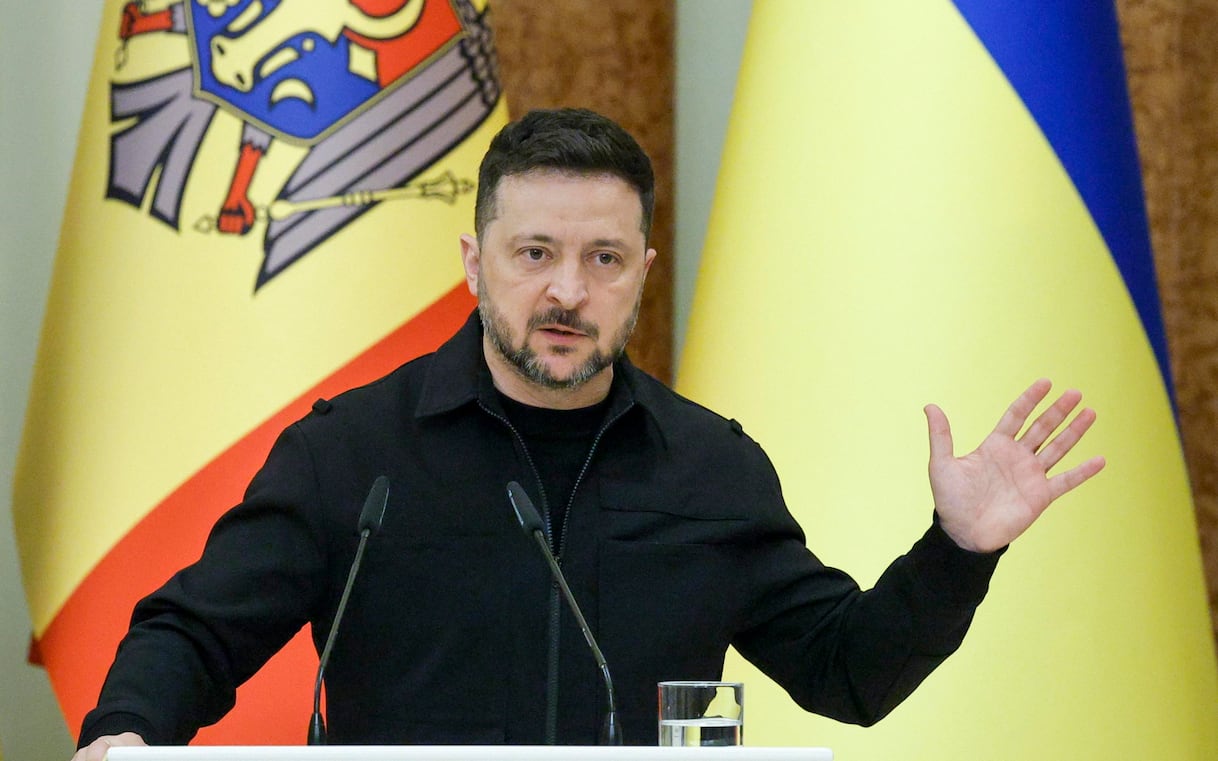
“Attacchi legittimi.” — President Volodymyr Zelenskyy, defending the strategic necessity of strikes on Russian territory.
By framing these strikes as “legitimate,” the Ukrainian leadership is signaling to the international community that the rules of engagement have fundamentally evolved. The message is clear: if the conflict is being waged on Ukrainian soil, the ability to strike the source of the aggression is a sovereign right. This stance forces a difficult conversation among Western allies regarding the boundaries of “defensive” actions and the potential for further escalation.
The Diplomatic Paradox: Mediation vs. Escalation
As the kinetic intensity of the war increases, the diplomatic maneuvering becomes increasingly complex. Despite the aggressive nature of the Moscow drone strikes, Kyiv remains vocal about its desire for a negotiated settlement. Ukrainian officials have explicitly stated their hope that the United States will continue to act as a critical mediator between Kyiv and Moscow.
This creates a volatile paradox. On one hand, Ukraine is escalating its military pressure to gain leverage at the negotiating table; on the other, it is seeking the diplomatic umbrella of its most powerful ally to prevent a total breakdown of international order. For global stakeholders, this tension creates a landscape of extreme unpredictability. Multinational corporations and governmental bodies must now navigate a reality where massive military strikes and calls for high-level mediation occur simultaneously.
As the legal definitions of “proportional response” and “legitimate target” are tested in real-time, international firms are increasingly looking toward international trade lawyers and legal experts to interpret the shifting landscape of international humanitarian law and the potential for future sanctions or liability issues arising from these expanded combat zones.
Macro-Economic Ripples: Security and Supply Chain Volatility
The implications of this escalation extend far beyond the borders of Eastern Europe. The targeting of industrial sites in Russia introduces a new layer of risk to global commodity markets and supply chains. When major industrial hubs are subjected to frequent, high-volume drone attacks, the stability of production cycles is compromised. This can lead to sudden fluctuations in the availability of specialized materials, chemicals, and energy components that are integral to global manufacturing.
For the private sector, the “new normal” is one of constant disruption. The unpredictability of deep-strike warfare means that traditional risk models are becoming obsolete. We are seeing a surge in demand for geopolitical risk consultants who can provide real-time intelligence on how regional escalations will impact specific asset classes and trade routes.
the threat to industrial infrastructure necessitates a complete overhaul of logistics and contingency planning. Transnational distributors and manufacturers are no longer just managing delays; they are managing potential systemic collapses in regional production. To mitigate these risks, many are proactively onboarding international logistics specialists to design more resilient, diversified supply lines that can bypass high-conflict zones.
The global economy is now inextricably linked to the technological evolution of drone warfare. As UAVs become more sophisticated and cheaper to produce, the cost of securing critical infrastructure will rise globally, affecting everything from insurance premiums to national defense budgets. The era of “low-cost, high-impact” disruption has arrived, and it is being written in the skies over Moscow.
As the chessboard shifts and the boundaries of the conflict expand, the ability to anticipate these macro-level disruptions will separate the resilient from the vulnerable. Navigating this new era of geopolitical volatility requires more than just observation; it requires the strategic integration of specialized intelligence and robust contingency frameworks. To find the professional partners capable of securing your interests in this shifting landscape, consult the World Today News Directory.