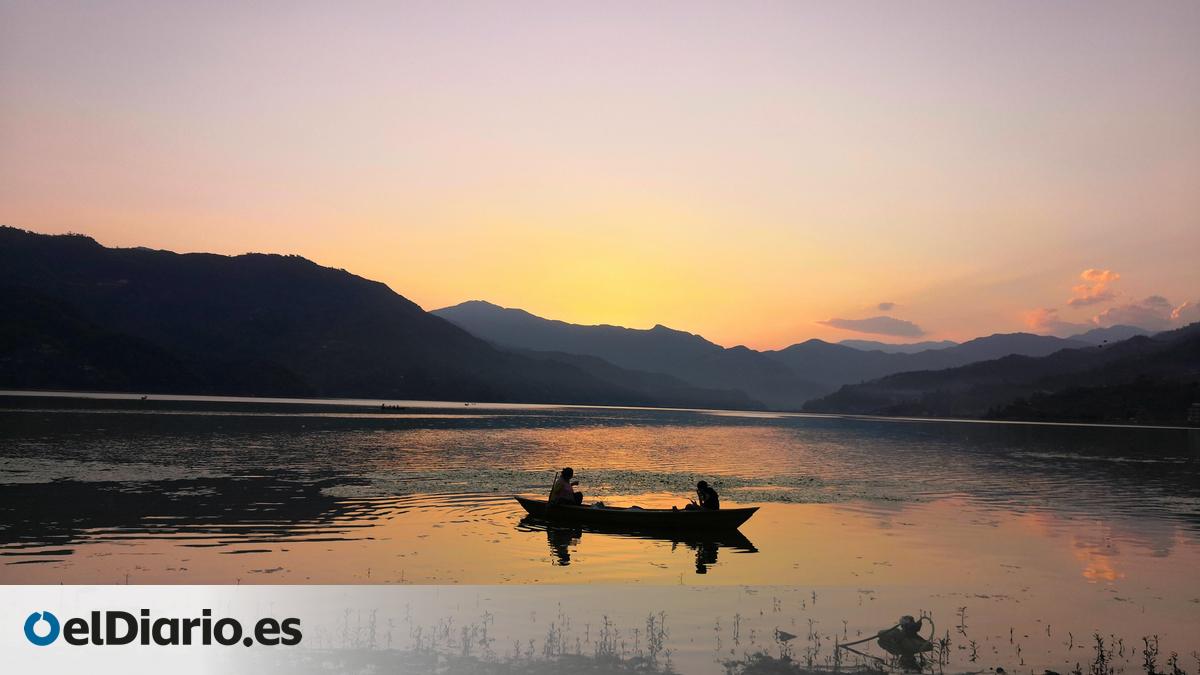
Phewa Lake: The Mystical Mirror of the Himalayas in Nepal
Located in the Pokhara Valley of Nepal, Phewa Lake serves as the country’s second-largest freshwater body and a critical cultural anchor. Covering 5.23 square kilometers, the lake functions as a gateway to the Annapurna mountain range, hosting the sacred Tal Barahi Temple on a central island while supporting regional tourism and local fishing economies.
The Hydrological and Economic Significance of Phewa Tal
With a maximum depth of 24 meters, the lake is not merely a scenic attraction; it is a vital resource for local communities. The name itself, derived from the Nepali word Pokhari, confirms the region’s historical identity as a lake-centric settlement.
The lake’s ecosystem faces constant pressure from urban expansion. As the city of Pokhara grows, the management of water quality and the preservation of the shoreline have become central concerns for municipal authorities. Without rigorous oversight, the delicate balance between the urban footprint and the natural basin risks degradation.
Optical Phenomena and the Sacred Machapuchare
The lake is renowned for its near-perfect reflection of the Himalayan range, including the Annapurna and Dhaulagiri massifs. Most notably, the mountain Machapuchare—the “Fishtail” peak—dominates the skyline. The government of Nepal maintains a strict prohibition against climbing Machapuchare, citing its sacred status in local spiritual traditions. This policy ensures the peak remains pristine, preserving the visual integrity that draws global visitors to the lake’s shores.
For travelers and researchers, the area offers a unique intersection of geology and spirituality.
Tal Barahi: The Spiritual Epicenter
The Tal Barahi Temple, a two-story pagoda constructed in the 18th century, sits on an island accessible only by boat. Dedicated to the Hindu goddess Durga, the site functions as a focal point for weekly religious activity. According to local custom, the island is the site of frequent pilgrimages, particularly on Saturdays, where the transit of devotees across the lake is managed by local boatmen.
The legend surrounding the lake’s origin—a tale of divine retribution against an arrogant village—continues to influence the cultural preservation efforts of the region. This narrative of “justice through nature” is deeply embedded in the social fabric of the local Newar, Magar, and Gurung populations.
Infrastructure and the Lakeside Economy
The Lakeside district is the primary commercial hub for the region, housing a dense concentration of businesses catering to the trekking community. From specialized gear shops to boutique hospitality venues, the area has developed into an international transit point for those entering the Himalaya. The proximity to landmarks like the World Peace Pagoda and the Gupteshwor Cave system further solidifies Pokhara’s status as a primary destination for adventure tourism.

However, the rapid development of the Lakeside area brings inevitable infrastructure challenges.
Strategic Growth and Future Outlook
Pokhara’s evolution from a 17th-century trade route stop between Tibet and India to a modern tourism hub reflects the broader economic shifts within Nepal. The integration of Tibetan refugee communities has added another layer of cultural complexity, visible in the local thangka painting workshops and traditional incense trade.
As the regional economy continues to rely on the aesthetic and spiritual value of Phewa Lake, the pressure to maintain its “aura of tranquility” against the noise of modernization grows. Whether through the preservation of the Pamey fishing villages or the regulation of boat traffic near the Tal Barahi Temple, the future of the valley depends on sustained, careful development.
The stillness of the lake at dawn, when the peaks of the Annapurna range are mirrored in the water, serves as a reminder of the fragility of such landscapes. As the sun rises over the Himalaya, the reflection of the mountains continues to dictate the rhythm of life in Pokhara—a testament to a geography that refuses to be ignored.