
A 10 percent tariff on imported goods went into effect across the United States today, following a Friday announcement by President Donald Trump. The move, which replaces a previous set of varying tariffs imposed last year, comes after the Supreme Court last week invalidated those earlier tariffs, deeming their basis in emergency powers unlawful.
The new tariff applies to all goods entering the U.S. From any country, a departure from the country-specific rates implemented in April 2025. Those earlier tariffs ranged from 10 to 50 percent. Even as President Trump initially signaled a potential increase to 15 percent on Saturday, that increase has not yet been implemented, with anonymous sources within the administration suggesting a future hike remains possible.
The Supreme Court’s decision centered on the legal justification for the original tariffs, which relied on a law typically reserved for national emergencies. The court found no such emergency existed, prompting a sharp rebuke from President Trump, who labeled the six justices who ruled against him as “mad” and “lapdogs of the radical-left Democrats.”
In response, President Trump invoked a different law to enact the 10 percent tariff. This new regulation, however, is limited to a maximum duration of 150 days, requiring Congressional approval for any extension. The tariff is capped at 15 percent under this legal framework.
The imposition of the new tariffs has already prompted a reaction internationally. The European Parliament postponed a vote on a trade agreement with the U.S. That was finalized in July of last year, citing the Supreme Court ruling. President Trump warned that countries attempting to undermine the new tariff structure could face even higher rates in the future.
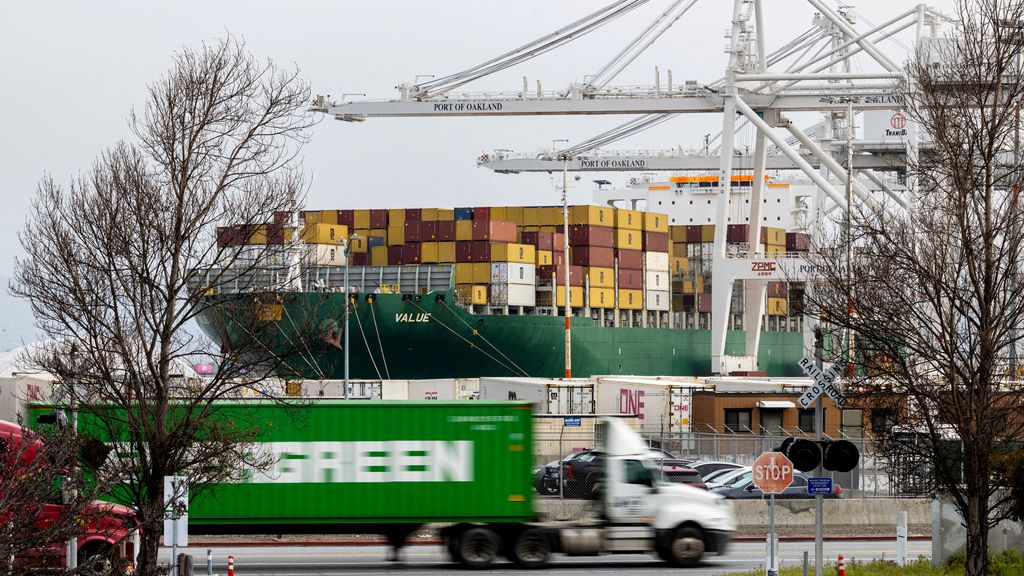
The Port of Oakland, which handles approximately 50 percent of its goods from China, is bracing for potential impacts from the tariffs. Importers had previously rushed to ship goods into Northern California ahead of the initial tariff announcements in March 2025, anticipating increased costs. The long-term effects of the new, broad-based tariff remain to be seen.
The Dutch Wikipedia notes that the Trump administration’s protectionist trade policies, rooted in the ideas of Peter Navarro and the “Project 2025” ideology, have escalated significantly with these latest measures. The new tariffs are expected to affect over $2.5 trillion in import value, raising the average tariff on imports from 2.5% to 16.5%, with a base tariff on Chinese imports increasing to an effective 54% after April 9th.
Notably, Russia was not included among the countries subject to the new tariffs, a point that has drawn some attention given existing international sanctions against Moscow.
