
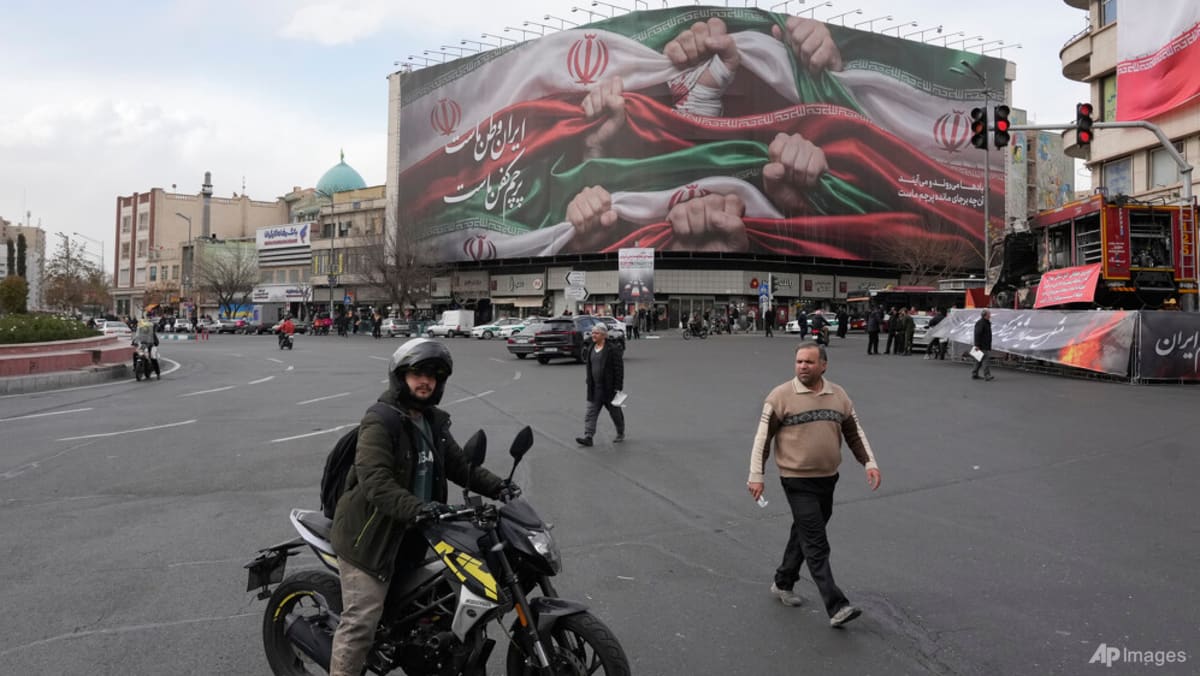
Escalating Tensions: US Weighs Response as Iran Threatens Retaliation Amidst Protests
Washington is navigating a precarious situation as it considers its next move following a surge in violence related to ongoing protests in Iran.President Trump consulted with his national security team Tuesday, describing a recent death in Iran as “significant” and signaling a potential shift in US policy. Together,Iranian officials have warned of a “decisive response” to any intervention from the United States or Israel,while also threatening swift justice – including executions – for those detained during the demonstrations.
US Options Range from diplomacy to Military Action
Following Trump’s statements, Vice President JD Vance, Secretary of State Marco Rubio, and key National Security Council officials initiated meetings last Friday to formulate a range of responses.These options reportedly span the spectrum from diplomatic pressure to potential military strikes. Notably, personnel at a vital US military base in Qatar were advised to evacuate by Wednesday evening, a move directly linked to Trump’s heightened warnings regarding military action, according to Channel News Asia.
A Mounting Death Toll and Iranian Crackdown
The protests, initially sparked by economic grievances and political restrictions, have been met with a forceful crackdown by iranian security forces. The US-based Human Rights Activists News Agency (HRANA) reports that at least 2,586 individuals have been killed in the suppression of demonstrations. This number underscores the severity of the unrest and the escalating violence. Iranian authorities have recently signaled their intention to hold expedited trials and carry out executions of those arrested in connection with the protests, a move condemned by international human rights organizations.
Iran Accuses US and Israel of Instigating Unrest
In a defiant stance, Iranian officials are squarely blaming the United States and Israel for instigating the protests and even alleging their responsibility for the deaths of both protesters and security forces. Mohammad Pakpour, commander of Iran’s paramilitary Revolutionary Guard, reiterated these claims to Iran’s semi-official Tasnim News Agency, asserting that washington and Jerusalem will “receive the response in the appropriate time.” This assertion lacks supporting evidence and represents a continuation of a pattern of externalizing blame by the iranian government.
Historical Context: US-Iran Relations and Regional Instability
The current situation is deeply rooted in a complex history of strained relations between the US and Iran. Following the 1979 Islamic Revolution, the two countries have been at odds, marked by periods of hostility and mistrust. The US withdrawal from the Joint Extensive Plan of Action (JCPOA), commonly known as the Iran nuclear deal, in 2018 further exacerbated tensions.Renewed sanctions imposed by the US have crippled the Iranian economy, contributing to the growing discontent that fueled the recent protests. Additionally, Iran’s regional activities, including its support for proxy groups in countries like Lebanon, Syria, and Yemen, have consistently drawn criticism from the US and its allies.
Potential Scenarios and Implications
Several scenarios could unfold in the coming days and weeks:
- Diplomatic Pressure: The US could ramp up diplomatic pressure on Iran, imposing further sanctions and working with international partners to condemn the government’s crackdown.
- Military Strikes: While less likely, a limited military strike targeting Iranian military infrastructure remains a possibility, particularly if further escalation occurs. This option carries significant risks, perhaps triggering a wider conflict.
- Continued Protests and Internal Instability: The protests could continue to gain momentum, potentially leading to further instability within Iran.
- Regional Escalation: The conflict could spill over into neighboring countries, particularly if Iranian proxies become involved.
Key Takeaways
- The US is considering a range of responses to the escalating violence in Iran,including diplomatic and military options.
- The Iranian government is blaming the US and Israel for instigating the protests and threatening retaliation.
- The death toll from the protests is rising, with at least 2,586 individuals reported killed.
- the situation carries significant risks of regional escalation and further instability.
The coming days will be critical in determining the trajectory of this crisis. A careful and measured response from the US, coupled with sustained diplomatic efforts, will be essential to prevent further escalation and protect both regional stability and the lives of innocent civilians. The international community’s response will also play a key role in shaping the outcome of this volatile situation.
