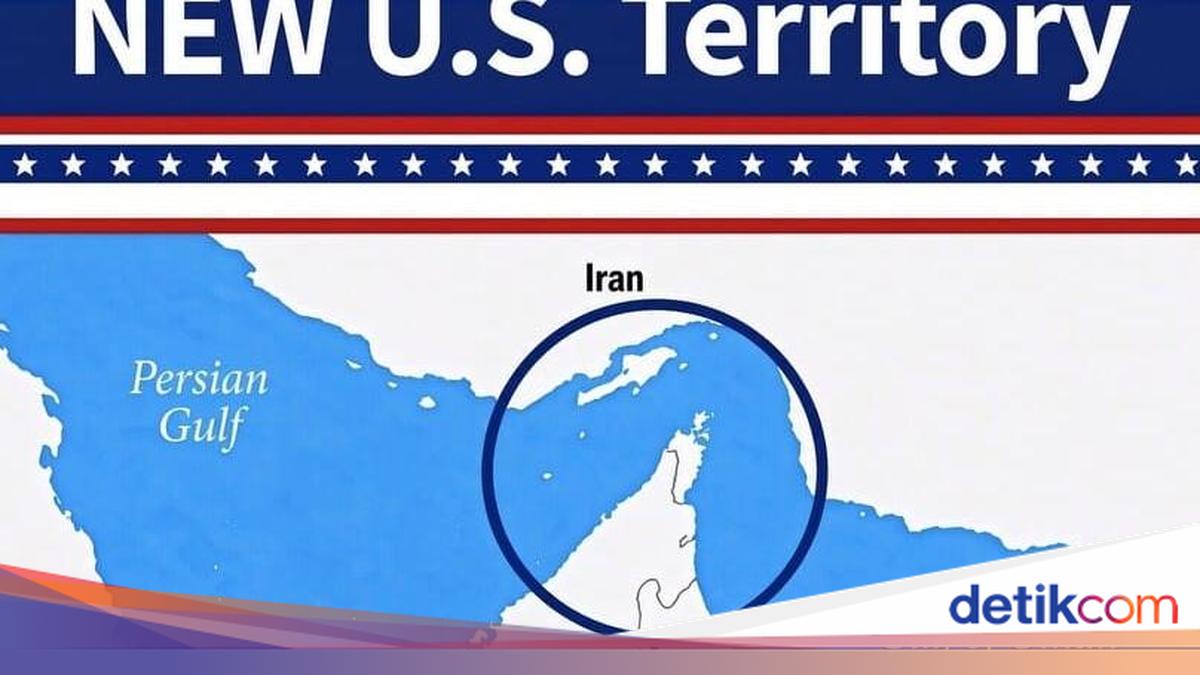
Trump Claims Strait of Hormuz as New US Territory Ignites Iran Fury
On August 18, 2026, US President Donald Trump shared an image on Truth Social depicting the Strait of Hormuz labeled as “New US Territory,” echoing previous threats to seize the strategic waterway. Iranian officials strongly condemned the post, with Deputy Foreign Minister Kazem Gharibabadi dismissing the move as a delusion that Tehran will correct, while regional military leaders maintain that Iranian forces retain operational control.
Escalation in the Persian Gulf and the Threat of Unilateral Annexation
The geopolitical standoff in the Middle East intensified on Tuesday, August 18, 2026, when US President Donald Trump published a digital map on the Truth Social platform framing the Strait of Hormuz as American property. According to reporting from Washington, the graphic featured the critical maritime chokepoint alongside segments of Iranian territory, the Gulf, and the Gulf of Oman. This online publication operationalized threats first voiced by Trump the preceding week, wherein he asserted that the United States Navy was enforcing a total blockade and would formally designate the corridor as US territory following an Iranian defeat.

The rhetoric has triggered immediate countermeasures and sharp verbal pushback from Tehran. Iranian leadership maintains that the transit route remains firmly under the defense perimeter of domestic forces. Major General Mostafa Izadi, the deputy commander of the Islamic Revolutionary Guard Corps (IRGC), stated that enemy forces remain in a state of helplessness regarding actual control of the shipping lanes, according to regional coverage cited by Al Jazeera and compiled by Kompas. Meanwhile, Iranian Foreign Minister Abbas Araghchi emphasized that Washington’s overarching objective in the ongoing conflict is to compel total capitulation, a demand Tehran officially rejects.
Legal authorities within the United States have previously questioned the unilateral viability of such territorial claims. Bruce Fein, who served as deputy attorney general under President Ronald Reagan, noted that a president lacks the constitutional authority to unilaterally annex foreign waterways or transit corridors. According to constitutional precedent highlighted during the current crisis, any formal territorial acquisition requires either a ratified treaty approved by the Senate or dedicated congressional legislation, mirroring historical acquisitions like the Louisiana Purchase or the Panama Canal.
Global Supply Chain Disruptions and Transnational Logistics Risks
Diplomatic Deadlocks and the Rejection of Bilateral Talks
Iranian officials have reiterated that commercial navigation through the strait will not resume unless the United States halts its military interdiction, lifts its naval blockade, and fully implements the provisions of the bilateral agreement established on June 17.

In response to Trump’s social media posting, Kazem Gharibabadi, Iran’s deputy foreign minister for legal and international affairs, posted a direct warning on the platform X. Gharibabadi wrote that the administration’s delusions regarding the waterway would soon be corrected by Iranian authorities.