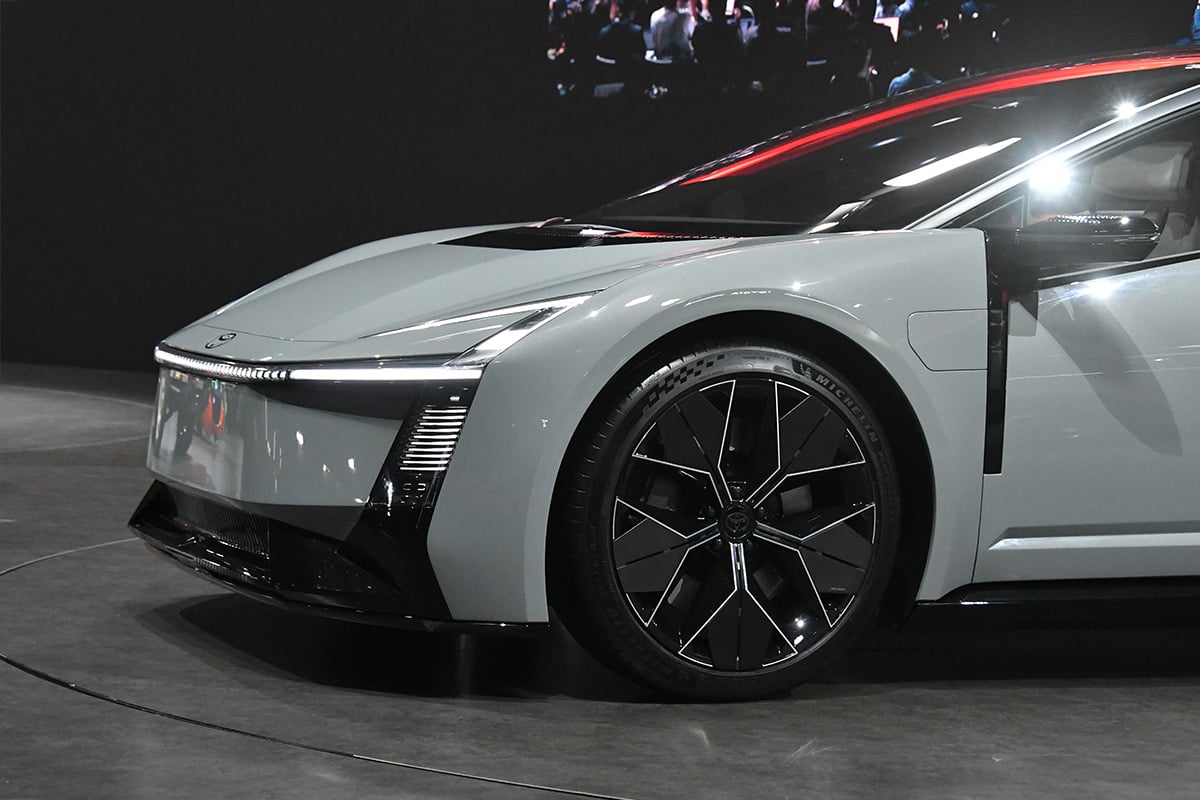
Toyota reveals hybrid system aiming for 15% fuel efficiency gain
Toyota Motor Corporation’s European division revealed details on October 28, 2026, regarding a new-generation hybrid system aimed at improving fuel efficiency by more than 15 percent. The powertrain overhaul centers on a newly developed 1.5-litre inline-four engine designed specifically for electrification, pairing lower displacement with improved thermal efficiency and aerodynamic integration.
Engineering a Smaller Footprint for Higher Efficiency
The core of the system is a 1.5-litre inline-four engine built in naturally aspirated and turbocharged configurations. Toyota intends for the naturally aspirated variant to cover the performance territory currently served by larger 1.8-litre units and 1.5-litre three-cylinder engines. Rather than adapting legacy hardware, engineers redesigned the motor, power control unit, and inverter in parallel with the engine. This integrated approach reduces mechanical friction inside the powertrain and minimizes thermal and electrical losses.
The hardware reduction directly impacts vehicle architecture. According to data covered by くるまのニュース, the naturally aspirated version cuts the engine’s volume and height by 10 percent compared to older three-cylinder designs. That vertical space saving allows for a lower bonnet line. Consequently, the reduced engine bay height improves aerodynamic performance by lowering the front fascia, contributing to the broader 15 percent efficiency gain target without relying solely on internal combustion refinements.
Shared Platform Enables Low Nose Design
The propulsion technology links directly to Toyota’s multi-pathway platform strategy, which accommodates battery-electric vehicles (BEVs), plug-in hybrids (PHEVs), and conventional hybrids (HEVs) on a shared structural framework. By shrinking the physical dimensions of the hybrid unit, designers eliminate the traditional packaging constraints that force high hoods on internal combustion models. This flexibility mirrors the design language seen in the Corolla Concept shown at the Japan Mobility Show, which combined a low, BEV-style front nose with multi-powertrain adaptability.
Production lines stand to gain significant capital efficiency from this modularity. Spreading design and tooling costs across multiple powertrain variations allows manufacturing plants to adjust output volumes for HEVs, PHEVs, and BEVs in response to shifting regional demand without major retooling expenditures.

Current Corolla Models Sustain Dealer Revenue
While the European division detailed the technical architecture of the upcoming hybrid system on October 28, 2026, current retail models continue to anchor near-term dealer revenue. The existing 12th-generation Corolla, launched in September 2019, shifted entirely to a 1.8-litre hybrid configuration during its May 2025 product refresh. Dealerships recently introduced a 60th-anniversary special edition of the Active Sport trim, priced between 3,231,800 and 3,446,300 yen, which has sustained steady showroom traffic with an average delivery timeline of three to four months.
Toyota has not yet published specific comparison metrics, testing conditions, or official fuel economy figures for the production vehicles slated to receive the new 1.5-litre hybrid system.