
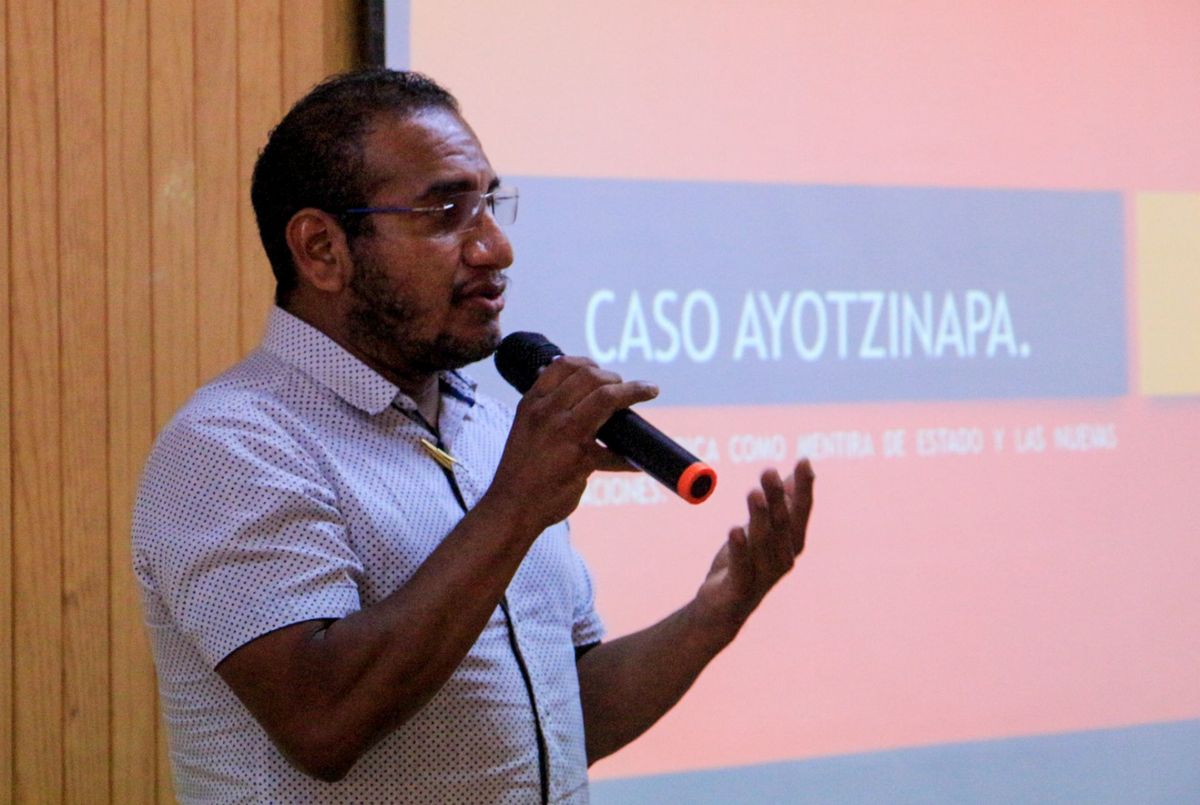
Human Rights Lawyer Vidulfo Rosales Sierra Steps Down from Ayotzinapa Case
Mexico City – Vidulfo Rosales Sierra, a prominent human rights lawyer, has resigned from his position at the Tlachinollan Mountain Human Rights Center, relinquishing legal representation for the families of the 43 students from the Ayotzinapa Rural Teachers’ College who disappeared in 2014. The move comes as Rosales considers a potential role as a collaborator with Hugo Aguilar Ortiz, recently elected as an indigenous justice for the Supreme Court of Justice of the Nation (SCJN).
A Long Tenure of Advocacy
Rosales confirmed receiving an invitation to join Aguilar’s team at the SCJN but stated he is currently evaluating the offer. He emphasized that his resignation, communicated to the families last Saturday, stems from personal and health considerations after nearly eleven years dedicated to the case. “I regret the speculation about my move to the court,” Rosales stated in an interview with La Jornada. “There is nothing definitive; I’ve only had respectful dialog with the minister.”
He further clarified that discussions with Aguilar Ortiz centered on the rights of indigenous peoples and potential advancements in recognizing the rights of indigenous and afro-mexican communities.
Pro tip: Understanding the historical context of indigenous rights in Mexico is crucial to grasping the meaning of this potential shift.
Continued Legal Support for Ayotzinapa Families
Despite Rosales’s departure, legal defense for the Ayotzinapa case will continue through a collaborative effort involving the Human rights Centers of Tlachinollan Mountain, Miguel Agustín Pro Juárez, and Serapaz. This transition occurs shortly after a recent meeting between the families and President Claudia Sheinbaum.
A Career Dedicated to Human Rights
Born in 1976 in Totomixtlahuaca, Guerrero, Rosales dedicated 24 years to the Tlachinollan Center, providing legal counsel to the Community Police and advocating for victims of torture, land dispossession, and forced disappearance. His work extended to supporting families impacted by violence, including those seeking justice for the 2011 police killings of students on the highway of the Sun in Chilpancingo and the 2014 disappearance of the Ayotzinapa students.
Rosales’s commitment is underscored by a letter dated August 19, where he expressed his withdrawal from the “front line of social struggle” while affirming his continued dedication to human rights. He stated, ”From other trenches, I will continue to demand that human rights become a reality, that indigenous and Afro-Mexican peoples have a dignified life and are not treated as second-class citizens.”
Facing Threats and Challenges
Rosales’s advocacy has not been without risk. He was forced to leave the country in 2012 due to death threats and faced legal challenges from former Guerrero Governor Ángel Aguirre Rivero in 2022. He underwent surgery for digestive issues in March and last met with the Ayotzinapa families on July 29 during a meeting with president Sheinbaum.
He also represented Inés Fernández and Valentina Rosas, indigenous women subjected to abuse by military personnel in 2002, and led the legal defense against the La Parota dam project, a controversial infrastructure project that displaced local communities.
Did you No? The La Parota dam project faced important opposition due to its potential environmental and social impacts.
Key Dates and Events
| Date | Event |
|---|---|
| 2007 | Rosales begins supporting the students of Ayotzinapa. |
| 2012 | Rosales leaves mexico due to death threats. |
| 2014 | The 43 students of Ayotzinapa disappear. |
| 2022 | Former Governor Ángel Aguirre Rivero threatens legal action against Rosales. |
| August 19, 2024 | Rosales announces his resignation from Tlachinollan. |
Rosales’s departure marks a significant moment in the ongoing pursuit of justice for the Ayotzinapa students and the broader struggle for human rights in Mexico. His legacy of unwavering commitment will undoubtedly continue to inspire advocates and activists across the country. What impact will Rosales have in a potential role with the SCJN? And how will his departure affect the ongoing investigation into the Ayotzinapa case?
The disappearance of the 43 Ayotzinapa students remains a deeply sensitive and politically charged issue in Mexico. The case has exposed systemic issues of corruption, impunity, and human rights violations within the country’s security forces and government institutions. The pursuit of justice for the students has become a symbol of the broader fight for accountability and the rule of law. Recent developments, including the potential involvement of high-ranking officials, continue to fuel public outrage and demand for openness. The case also highlights the vulnerability of indigenous communities and the ongoing struggle for their rights in Mexico. As reported by Amnesty International, enforced disappearances remain a pervasive problem in Mexico, with thousands of people still missing [Amnesty International].
Frequently Asked questions about Vidulfo Rosales and the Ayotzinapa Case
- Who is vidulfo Rosales Sierra? Vidulfo Rosales Sierra is a prominent human rights lawyer who served as legal counsel for the families of the 43 Ayotzinapa students.
- Why did Vidulfo Rosales resign? Rosales cited personal and health reasons for his resignation from the Tlachinollan Mountain Human Rights Center.
- What is the Ayotzinapa case? The Ayotzinapa case involves the disappearance of 43 students from the Ayotzinapa rural Teachers’ College in 2014.
- What is the role of Hugo Aguilar Ortiz? Hugo Aguilar Ortiz is a recently elected indigenous justice for the Supreme Court of Justice of the Nation (SCJN), and Rosales is considering a potential collaboration with him.
- Will the Ayotzinapa families still have legal representation? Yes, legal defense will continue through a collaborative effort involving several human rights centers.
Disclaimer: This article provides details for general knowledge and awareness purposes only and does not constitute legal advice.
We encourage you to share this important story with your network, leave your thoughts in the comments below, and subscribe to our newsletter for more in-depth reporting on critical issues around the world.
