
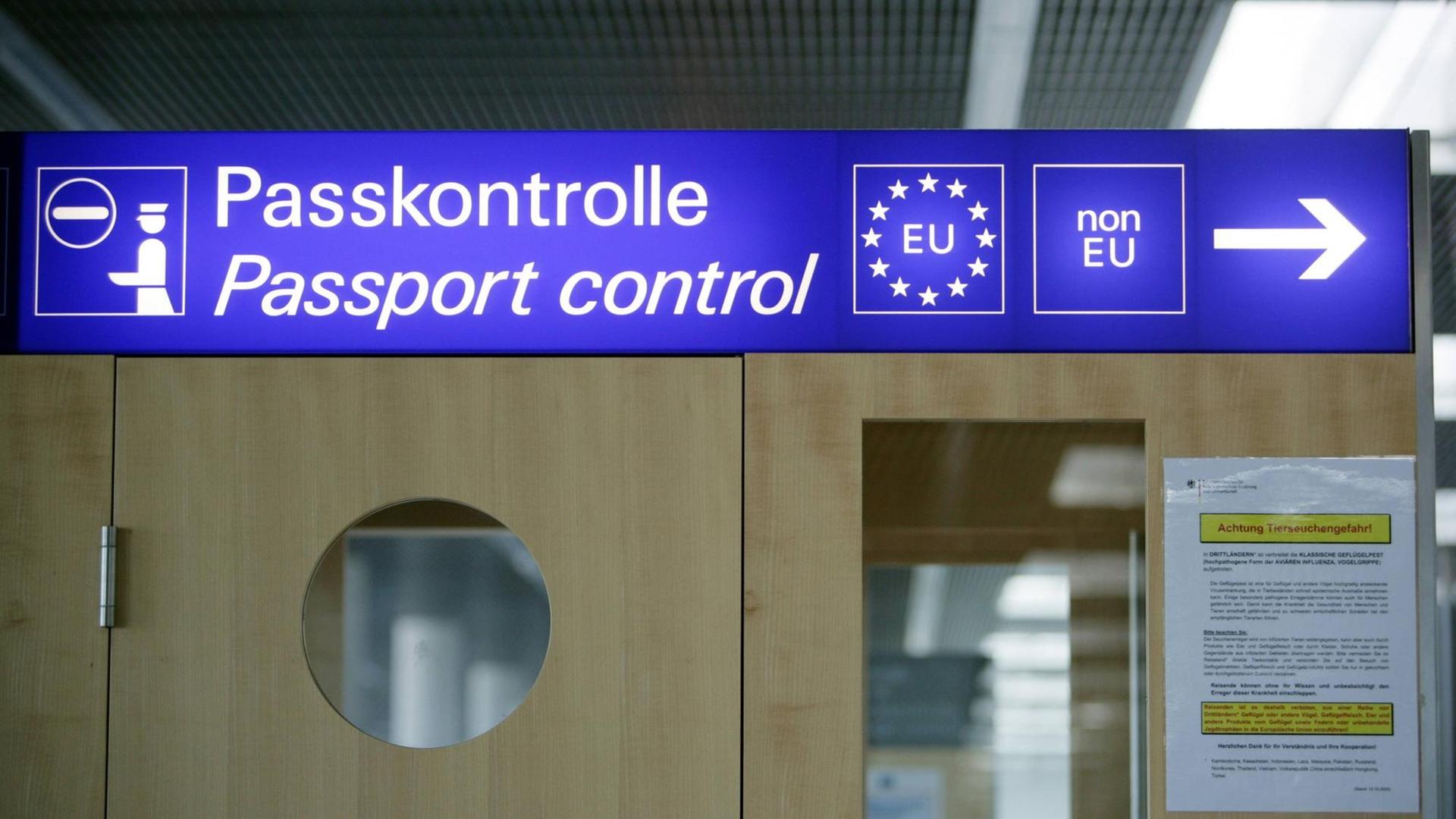
Fingerprints and Photos: EU Launches New Entry/Exit System for Non-EU Travelers
Brussels,October 12,2025 – The European Union has begun implementing a new Entry/Exit System (EES) requiring biometric data collection – fingerprints and photographs – from travelers entering the Schengen Area. the system, initially rolled out at Düsseldorf airport in Germany, will expand too Frankfurt/Main and Munich airports, and eventually to all other EU airports and external maritime borders.
The EES aims to enhance border security by tracking the length of stay for non-EU citizens, combating identity fraud, and curbing illegal migration, according to the EU Commission. Travelers will be required to scan their passports upon entry and exit, with fingerprints recorded and a photograph taken. Entry and exit dates will also be logged.
To streamline the process, travelers can submit data in advance via an app or at self-service kiosks. The phased rollout across all 29 Schengen countries – encompassing the 25 EU member states, Iceland, Liechtenstein, Norway, and Switzerland – is expected to take six months. The new system will replace customary passport stamps.
For those entering from the UK, such as train travelers arriving from London, the system will also apply. Registration for British travelers departing via dover,Folkestone,or London St. Pancras International will occur before leaving Great Britain. Exceptions exist for individuals with EU residence cards or those directly related to EU citizens.
the EES was originally slated for introduction in 2023 but faced multiple delays. Looking ahead, the EU plans further border security measures. by the end of 2026, a paid travel authorization - the ETIAS – will become mandatory for nationals from over 50 countries currently exempt from visa requirements, including the USA, Canada, the United Kingdom, Brazil, the United Arab Emirates, Israel, and South Korea. This authorization can be denied based on security concerns, mirroring similar systems in place in Great britain and the United States.
