
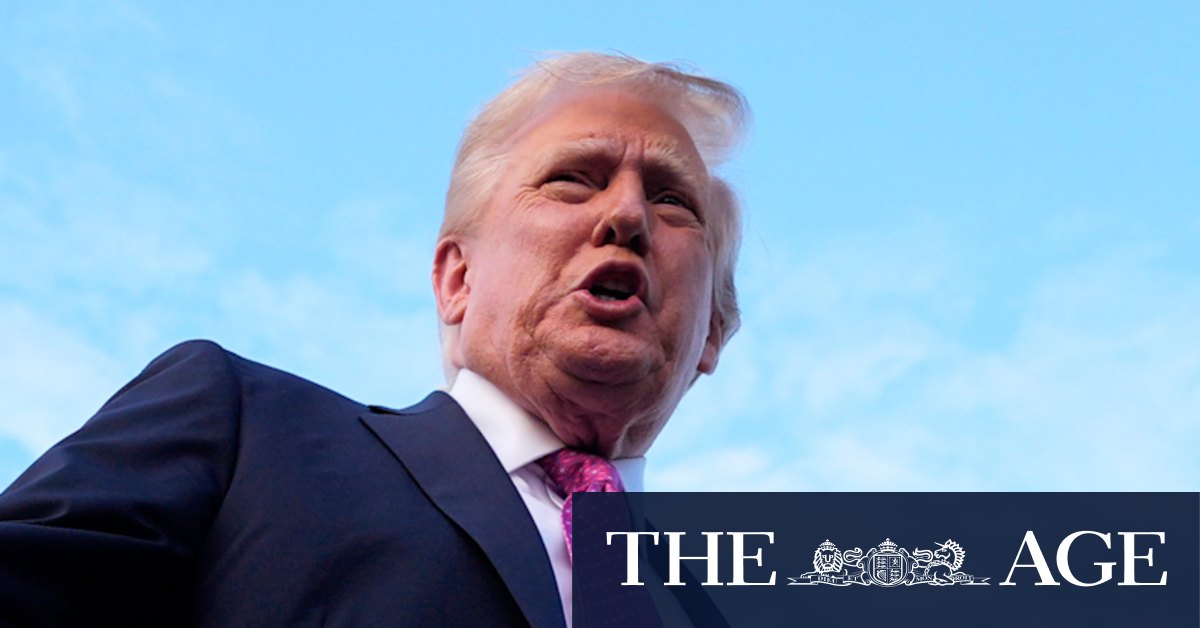
TikTok’s Fate Hangs in Balance as Trump Weighs Deadline Extension
WASHINGTON – The future of TikTok remains a central point of negotiation as former President Donald Trump considers extending a deadline for ByteDance, the Chinese company that owns the popular video-sharing app, to divest its U.S. assets. Discussions are underway amid potential talks between Trump and Chinese President Xi Jinping, possibly before or during the Asia-Pacific Economic Co-operation (APEC) conference in Seoul on October 31.
The deliberations occur as broader trade tensions between the U.S. and china persist, with issues including tariffs and fentanyl exports complicating the path toward a potential summit. A resolution on TikTok,alongside the lifting of restrictions on Chinese purchases of American soybeans and a reduction of fentanyl-related tariffs on Chinese goods,could be part of any significant breakthrough,according to experts.
Wendy cutler, a former U.S. trade negotiator and head of the Asia Society Policy Institute in Washington, anticipates any major trade advancements will be reserved for a potential Trump-Xi meeting. “Frankly, I don’t think China is in any rush to do an agreement where they don’t get substantial concessions on export controls and lower tariffs, which are their key priorities,” Cutler told Reuters. “And I don’t see the United States in a position to make major concessions on either, unless there’s some breakthrough on its demands to China.”
China has extended a formal invitation to Trump to visit Beijing,but progress on tariff discussions and U.S. concerns regarding China’s response to fentanyl exports have diminished the likelihood of a full-scale summit. Sideline talks at the APEC conference are now considered a more probable scenario, according to The Financial times.
The situation reflects ongoing U.S. national security concerns surrounding TikTok, which has over 170 million American users. the Committee on Foreign investment in the United States (CFIUS) has long scrutinized TikTok’s ownership structure, fearing that ByteDance could be compelled to share user data with the Chinese government.
