
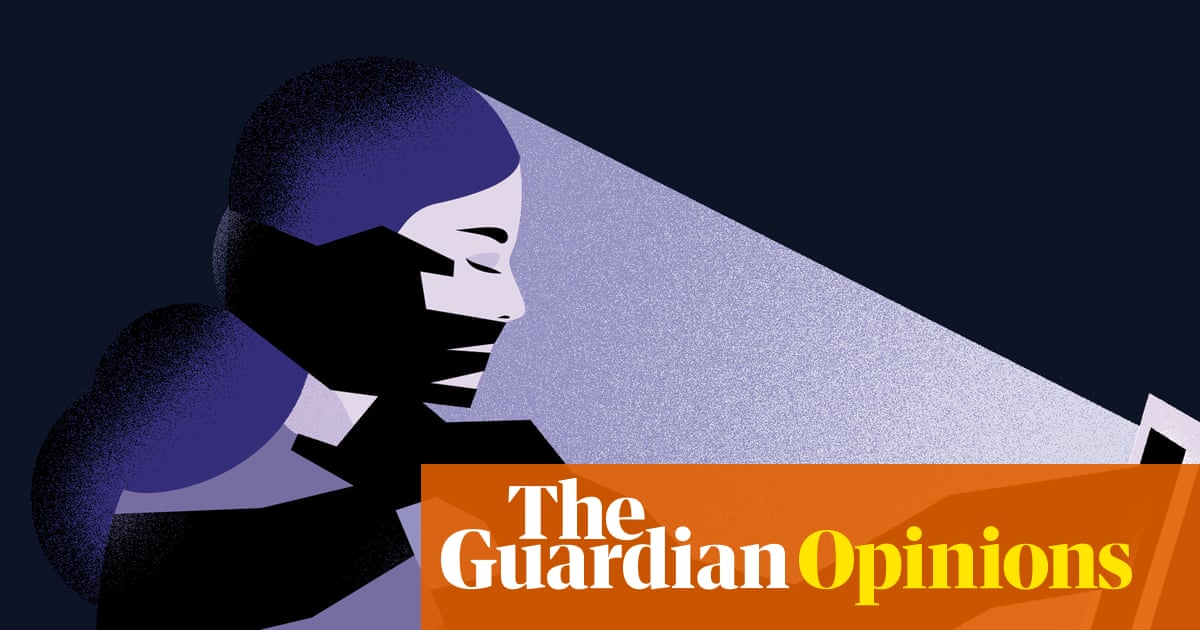
UK Internet Censorship Sparks Global Alarm
Age Verification Laws Censor Content, Critics Warn
A broad range of online content, from animated clips to music playlists, is reportedly being blocked across the UK due to a new age verification law. The legislation, designed to protect children, is now facing accusations of widespread censorship.
Unintended Consequences Emerge
Since the child safety provisions of the Online Safety Act took effect on July 25th, internet service providers have implemented stringent age verification measures. This has led to the restriction of information on topics like police funding plans and political parties, alongside user-reported issues with gaming customization.
UK age verification law is now live.
Here’s a breakdown of everything impacted:
– Sex, drugs, alcohol, gambling: Age verification required.
– Suicide, self-harm, eating disorders: Age verification required.This means ANY website that contains ANY content on these topics now needs age verification.
— Crash ~ The Tech Advocate (@Crash_Tise) June 29, 2024
Global Trend Towards Restriction
The UK’s Online Safety Act is part of a worrying international trend toward a more censored internet. Similar age verification measures are being enacted or tested in Australia, Ireland, and across the European Union, with Denmark, Greece, Spain, France, and Italy exploring a common age-verification app.
In the United States, 11 states are pursuing age verification legislation. Federal lawmakers are also reviving the Kids Online Safety Act, which could restrict underage users’ access to certain online content.
Privacy Risks and Big Tech’s Gain
Critics argue that these laws, while ostensibly for child protection, pave the way for authoritarian censorship and violate fundamental civil liberties. The requirement for all users, not just children, to verify their identity could lead to the collection of vast amounts of personal data, increasing the risk of identity theft and fraud.
“Many people mistakenly believe that only children will have to verify their identities online under such laws, but that is false. In order to determine who is a child, all users, no matter who they are, will be forced to turn over vast troves of valuable biometric data and for ever link their offline identity to their online behaviour.”
These regulations also present a significant boon to major tech companies. Companies like Persona have seen substantial valuations, while smaller platforms and community groups risk closure due to the resources required for compliance. One user lamented the potential loss of online support communities, stating, Alcoholics Anonymous has gone … As a non tech savvy recovering alcoholic this is a bummer as I used to get some hope and support from the subs.
Journalism and Open Discourse Under Threat
The legislation is also hindering access to news and journalistic content. Platforms are reportedly classifying breaking news, war coverage, and investigative journalism as harmful. Even Wikipedia is challenging the law, fearing privacy violations for its anonymous contributors and users.
This widespread blocking of information limits young people’s access to independent reporting and critical analysis, potentially leading to a less informed public that relies on sanitized, government-approved narratives.
Circumvention and Political Alignment
Concerns are mounting that these measures are ineffective, as VPN usage has surged, pushing users into less regulated online spaces. Despite the negative fallout in the UK, US lawmakers appear eager to replicate similar legislation. There is bipartisan agreement on reducing online anonymity, with discussions focusing on “unmasking” online users.
Furthermore, political motivations are evident, with some senators linking online safety to censoring content related to transgender individuals. Conservative think tanks have openly stated that the Kids Online Safety Act could be used to promote specific political values and remove LGBTQ+ content from the web.
The public is urged to resist what is being called a “manufactured moral panic” surrounding technology. Activists emphasize the need to fight for free speech, privacy, and open access to information before such censorship infrastructure becomes irreversible. The current trajectory threatens the future of a free and diverse internet that fosters creativity and social justice movements.
