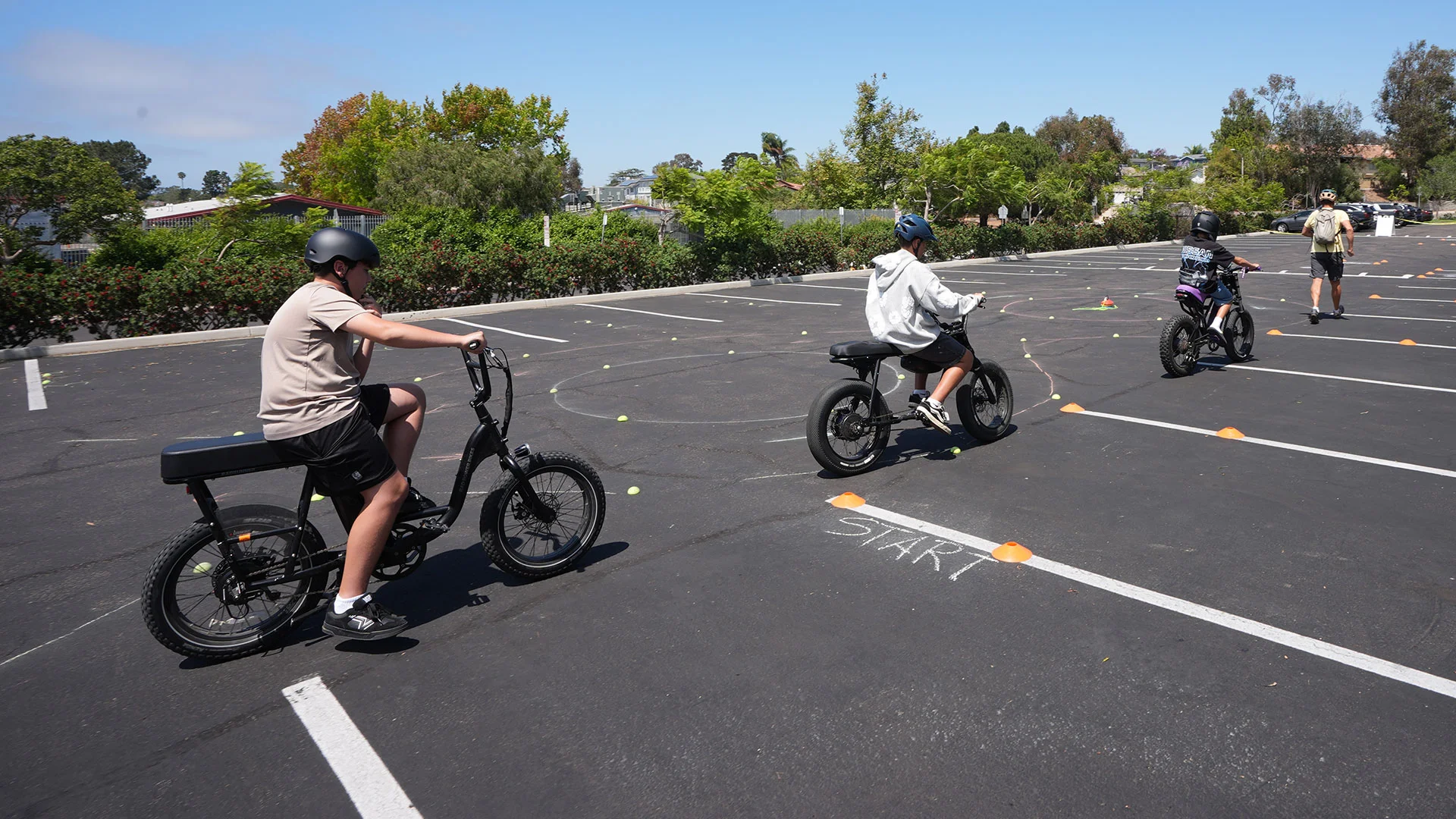
The E-Bike Crisis: Why Officials Are Targeting Parents Amid Rising Youth Injuries
E-bike injuries among children are surging across the U.S., leading prosecutors in jurisdictions like Orange County, California, to pursue criminal child endangerment charges against parents. According to a UC San Diego study, e-bike collisions in California increased from zero recorded injury crashes in 2018 to 1,566 by 2024, with children 14 and younger disproportionately affected.
The Tech TL;DR:
- Hardware Drift: “E-bikes” are frequently mislabeled electric motorcycles with higher wattage and speeds, bypassing traditional bicycle regulations.
- Liability Shift: Legal precedent is moving toward parental accountability for “souped-up” vehicle modifications and lack of supervision.
- Regulatory Patchwork: A lack of national standards has created a “Wild West” of local laws regarding age limits, licensing, and speed caps.
The Hardware Gap: E-Bikes vs. Electric Motorcycles
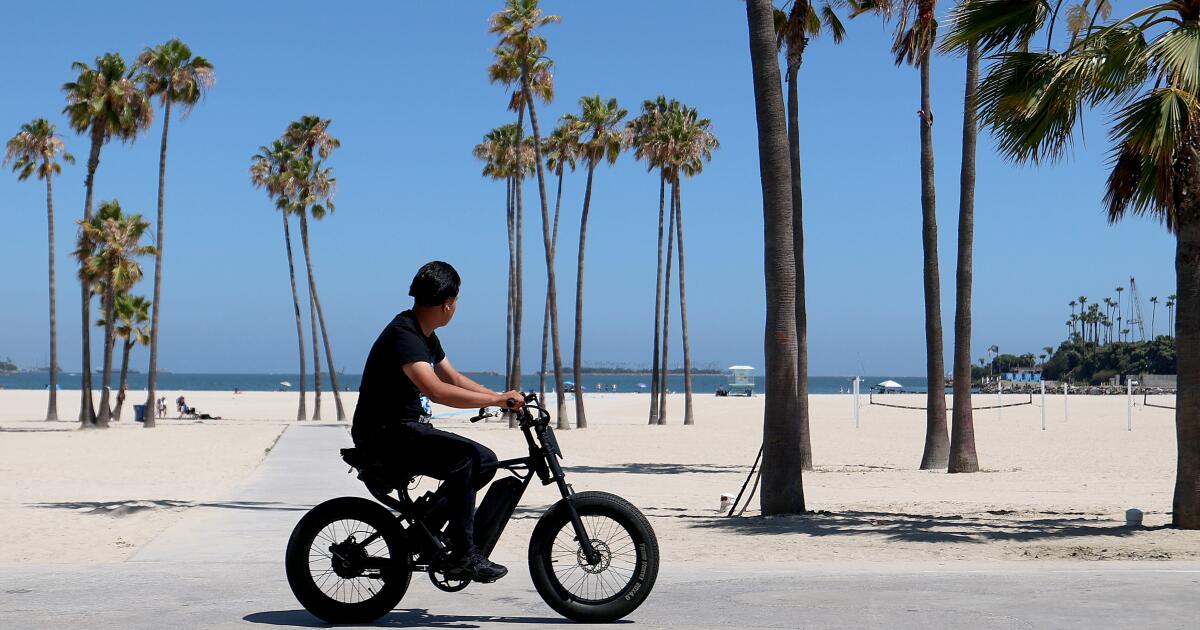
The current safety crisis is rooted in a technical classification failure. While federal law generally treats e-bikes as nonmotorized vehicles, a significant volume of products marketed as “e-bikes” are functionally electric motorcycles. These vehicles often feature heavier frames, larger motors, and higher top speeds than the Class 1 and Class 2 e-bikes defined by California law—which are capped at 20 mph and must have pedals.
According to the Los Angeles Times, California Attorney Gen. Rob Bonta pressured online retailers to accurately identify these vehicles, resulting in Amazon halting sales of certain two-wheelers that exceeded state speed limits. The technical distinction is critical: a standard e-bike uses a pedal-assist system or a low-wattage throttle, whereas e-motorcycles often utilize high-capacity lithium-ion batteries and high-torque motors that require a driver’s license and registration.
Parental Liability and the “Wild West” of Enforcement
Law enforcement is increasingly treating the provision of high-powered electric vehicles to minors as a criminal matter. Orange County District Attorney Todd Spitzer has launched a specialized unit to investigate these cases, with over two dozen open investigations. In one instance, prosecutors filed charges against a mother whose 14-year-old son killed an elderly pedestrian while riding an e-motorcycle.
The legal theory focuses on “child endangerment,” particularly when parents facilitate illegal modifications. Richard Eyssallenne pleaded not guilty to such charges after prosecutors alleged he bought his 12-year-old son an e-motorcycle and helped modify it for increased speed, leading to a crash where the boy ran a red light. Similarly, a Columbus, Ohio suburb has implemented rules stating parents who knowingly allow children to break e-bike laws face the same penalties as the riders.
Regional Regulatory Fragmentation
The lack of a unified national standard has left families navigating a fragmented legal landscape. New York City Mayor Zohran Mamdani recently issued cease-and-desist notices to over 40 retailers, including Walmart and Target, threatening fines of $2,000 per sale for non-compliant e-bikes following the death of a 17-year-old. New York state mandates a minimum age of 16 for e-bike riders, and the city imposes a 15 mph speed limit.
Contrastingly, Florida Governor Ron DeSantis vetoed proposed speed limits and regulations in June, citing concerns that such measures would lead to “enhanced surveillance” of citizens. New Jersey has taken a stricter path, requiring riders to be at least 15 and possess both a license and vehicle registration.
Medical Realities and Injury Severity
The physical toll of these collisions exceeds that of traditional cycling. Dr. John Austin of the UC San Diego School of Medicine, who led a statewide study, noted that e-bike patients tend to be younger, more likely to be unhelmeted, and suffer more severe injuries. The Los Angeles Times reports that 15.8% of injured e-bike riders in California were 14 or younger, compared to 10.2% for traditional bicycle injuries.
The increased mass of e-bikes—often due to heavy frames and large batteries—increases the kinetic energy involved in crashes. When combined with speeds exceeding 20 mph, the resulting trauma is significantly higher. This has led to a surge in emergency room visits, prompting police agencies to launch public information campaigns to educate parents on the difference between a pedal-assist bike and a motorized vehicle.
Disclaimer: The technical analyses and security protocols detailed in this article are for informational purposes only. Always consult with certified IT and cybersecurity professionals before altering enterprise networks or handling sensitive data.