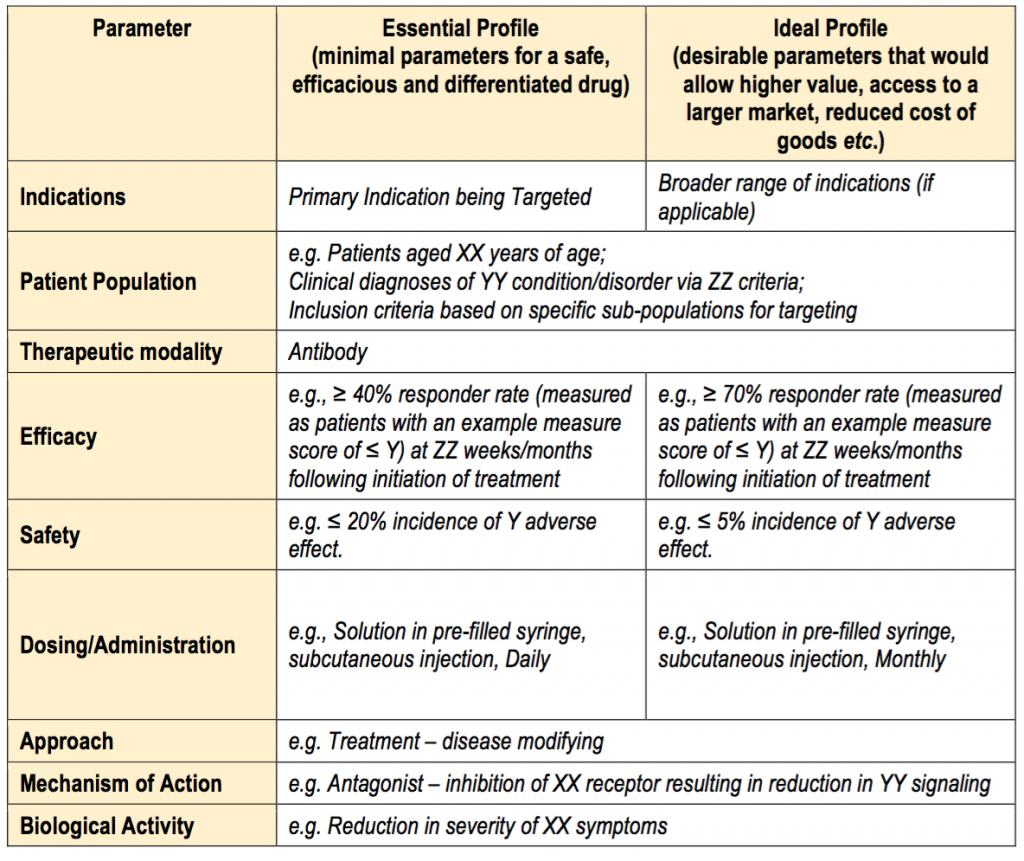
Target product profiles for treatments to delay or prevent symptomatic Alzheimer’s disease
The race to halt Alzheimer’s disease before symptoms emerge has reached a critical inflection point. As of April 3, 2026, new guidelines published in Nature Medicine establish rigorous Target Product Profiles (TPPs) designed to standardize how therapies are evaluated for disease prevention. These benchmarks aim to reduce regulatory ambiguity and accelerate the availability of disease-modifying treatments for at-risk populations.
- Key Clinical Takeaways:
- New Target Product Profiles define clear efficacy endpoints for pre-symptomatic Alzheimer’s interventions.
- Regulatory pathways now prioritize biomarker reduction alongside cognitive preservation metrics.
- Early screening protocols are essential for identifying candidates eligible for prevention trials.
Historically, the development of therapies for neurodegenerative conditions suffered from inconsistent trial designs and vague regulatory expectations. Pharmaceutical developers often faced moving goalposts regarding what constituted a successful intervention in the preclinical phase of Alzheimer’s. This lack of standardization increased costs and delayed potential breakthroughs. The latest consensus addresses this clinical gap by outlining specific biological and cognitive thresholds that a drug must meet to be considered viable for preventing symptomatic onset. By codifying these expectations, the medical community reduces the risk of failed late-stage trials due to poorly defined early objectives.
Defining the Biological Threshold for Prevention
The core of this update lies in distinguishing between disease modification and symptom management. Traditional approaches focused on slowing decline after diagnosis. The new profiles shift the window of intervention earlier, targeting the pathogenesis of amyloid-beta and tau pathology before neuronal loss becomes irreversible. This requires precise stratification of patients based on genetic risk factors and fluid biomarkers. Clinicians must now identify individuals who are biomarker-positive but cognitively unimpaired. This shift demands higher diagnostic fidelity and closer collaboration between primary care providers and specialized centers.
Funded by the National Institute on Aging (NIA) and supported by the Alzheimer’s Association, this initiative reflects a coordinated effort to align industry incentives with public health needs. The study emphasizes that successful prevention therapies must demonstrate a statistically significant delay in symptom onset, not just changes in protein levels. This dual requirement ensures that treatments offer tangible benefits to patients rather than surrogate marker improvements alone.
“Standardizing what we expect from a prevention therapy is the missing link in our development pipeline. Without clear Target Product Profiles, we risk investing billions in compounds that cannot meet regulatory standards for clinical meaningfulness.” — Dr. Ronald Petersen, Neurologist and Director of the Mayo Clinic Alzheimer’s Disease Research Center.
Implementing these profiles requires robust infrastructure. Healthcare systems must integrate advanced diagnostic tools to detect early pathological changes. For families concerned about genetic risk, consulting with board-certified neurologists becomes a critical step in determining eligibility for emerging preventive regimens. These specialists can interpret complex biomarker data and guide patients through the nuances of risk reduction strategies.
Clinical Trial Design and Regulatory Expectations
The Nature Medicine publication details specific requirements for Phase II and Phase III trials focusing on prevention. The table below outlines the comparative endpoints required under the new guidance versus historical standards. This structure ensures that any approved therapy delivers measurable protection against cognitive decline over a defined period.
| Trial Parameter | Historical Standard | 2026 Target Product Profile |
|---|---|---|
| Primary Endpoint | Cognitive test scores (MMSE) | Time to conversion to symptomatic Alzheimer’s |
| Biomarker Requirement | Optional secondary measure | Mandatory reduction in amyloid/tau burden |
| Study Duration | 12–18 months | Minimum 24–36 months for prevention |
| Population | Mild Cognitive Impairment | Preclinical (Biomarker positive, asymptomatic) |
These stricter parameters aim to filter out ineffective candidates earlier in the development cycle. Pharmaceutical companies must now design clinical research organizations partnerships that can sustain longer observation periods. The focus on preclinical populations means recruitment strategies must evolve to identify asymptomatic individuals through community screening programs. This creates a demand for diagnostic centers capable of handling high-volume PET imaging and cerebrospinal fluid analysis.
Integrating Prevention into Standard Care
Translating these research benchmarks into practice requires a shift in how primary care approaches aging. The distinction between normal aging and early neurodegeneration is narrowing. As therapies turn into available, the standard of care will likely include routine risk assessment for patients over 60. This proactive model relies on geriatric care specialists to manage comorbidities that exacerbate cognitive decline, such as hypertension and diabetes. Controlling these vascular risk factors remains a cornerstone of prevention although pharmacological options mature.
Patients and providers can track ongoing studies and regulatory updates through authoritative portals like the ClinicalTrials.gov database. Continuous monitoring of safety data is essential, as long-term use of disease-modifying agents may present unique side effect profiles. The National Institute on Aging continues to provide resources for understanding these evolving treatment landscapes. Global health bodies like the World Health Organization are aligning their guidelines to support widespread access to these interventions once approved.
The trajectory of Alzheimer’s research is moving from reactive management to proactive prevention. While the science is complex, the goal remains simple: preserve cognitive function for as long as possible. Families navigating this landscape should seek care within networks that prioritize evidence-based protocols and maintain transparency about trial eligibility. The future of neurodegenerative care depends on bridging the gap between high-level regulatory science and bedside clinical application.
Disclaimer: The information provided in this article is for educational and scientific communication purposes only and does not constitute medical advice. Always consult with a qualified healthcare provider regarding any medical condition, diagnosis, or treatment plan.