Tag: Neurosciences
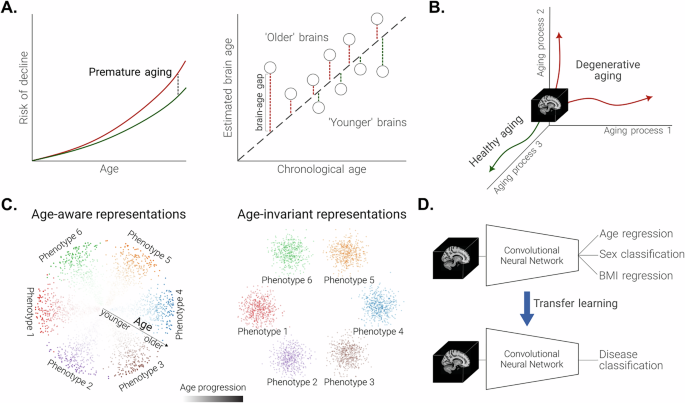
A study of brain scans from more than 44,000 people shows that removing age information from Alzheimer’s detection models cuts diagnostic accuracy by nearly 10 percentage points, challenging the widespread use of “brain-age gap” scores as a standalone biomarker.
A prospective, randomized crossover trial published in npj Parkinson’s Disease found image-guided programming cut subthalamic deep brain stimulation setup time by nearly half compared with local field potential guidance, without sacrificing short-term clinical benefit.
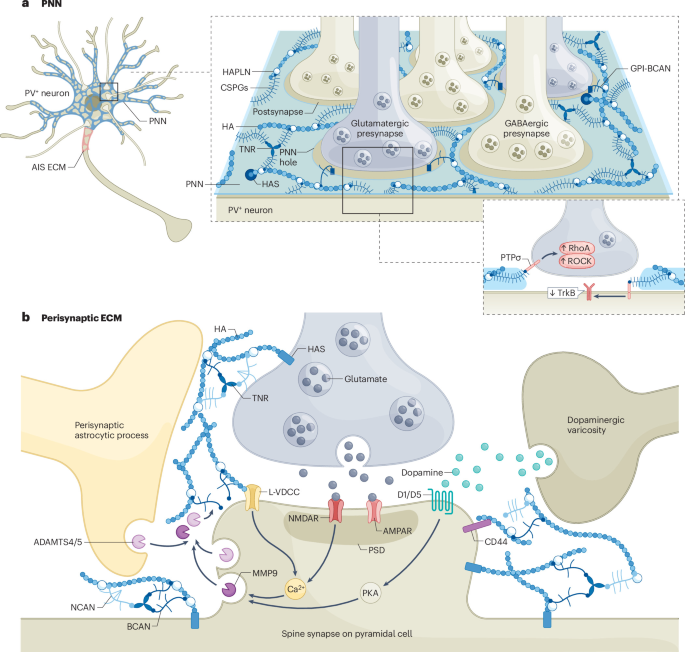
A review article published in Nature argues that brain scaffolding — the extracellular matrix and structural networks — may explain treatment resistance in schizophrenia and relapse in addiction, shifting focus beyond neurons and synapses.
Research on male mice shows that somatostatin-expressing interneurons in the medial prefrontal cortex resist stress-induced transcriptomic perturbations to mediate resilience; selective enhancement of these neurons’ activity promoted stress resilience.
- 23 Nov: Alzheimer’s brain phenotypes study published
- 22 Nov: SST neuron stress resilience study published
- 21 Nov: Image-guided DBS programming trial published
- 19 Nov: Nature review on brain scaffolding published