
Singapore Farmers Look to Malaysia’s johor for a Lifeline: the Rise of cross-Border Agriculture
Singapore, a global hub renowned for its urban density and economic prowess, faces a unique challenge: food security. With limited land available, the nation is actively seeking innovative solutions to bolster its domestic food production. A promising avenue is emerging just across the border in Malaysia’s Johor state,where a new agricultural hub is offering Singaporean farmers a much-needed lifeline. This initiative, part of a larger special economic zone, aims to alleviate the pressures faced by Singaporean growers and contribute to a more resilient food supply.
The Johor-Singapore Special Economic Zone: A New Frontier for Agriculture
In January 2024, Singapore and Malaysia launched a special economic zone (SEZ) designed to foster economic cooperation and growth. A key component of this SEZ is a dedicated agricultural hub,spearheaded by Archisen,an agritech firm,and Southern Catalyst,backed by the Malaysian Ministry of finance. This aspiring project, with an estimated cost of US$123 million, is projected to yield 10,000 tonnes of fresh produce annually. The core appeal for Singaporean farmers lies in the substantially lower costs associated with land, labor, and energy in Malaysia compared to the high expenses within Singapore itself.
Why Singapore Needs to Look Beyond Its Borders for Food Security
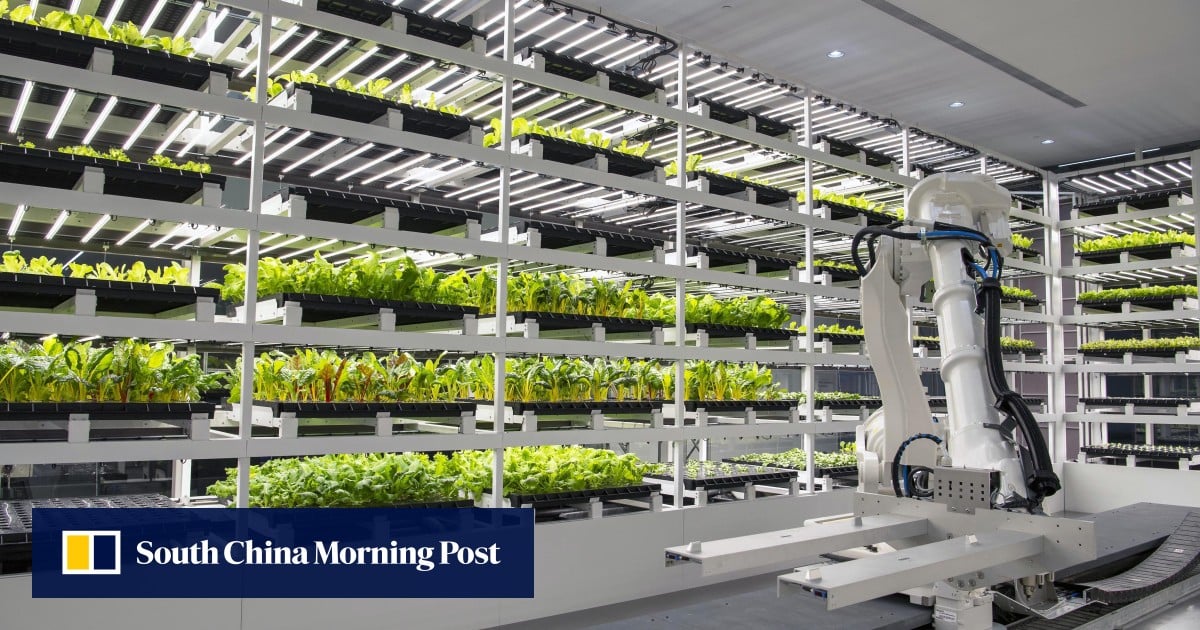
Singapore is a remarkably small nation – less than half the size of New York City. This geographical constraint has historically limited its ability to produce a substantial portion of its own food. Over the decades, agricultural land has been steadily replaced by urban development, including skyscrapers and residential complexes. While Singapore has made meaningful investments in high-tech agriculture,such as the recently opened world’s tallest vertical farm (valued at S$80 million, or approximately US$62 million), these solutions haven’t entirely addressed the challenges. The high operational costs associated with these advanced technologies, coupled with other economic pressures, have lead to a number of farm and start-up closures, highlighting the need for option strategies.
The Allure of Johor: Cost Savings and Long-Term Leases
Vincent Wei, the leader of this initiative, is actively recruiting Singaporean farmers to establish operations on the 80-hectare (200-acre) site in Johor. The promise is simple: reduced costs. Farmers can expect to significantly lower their initial investment and ongoing operational expenses. Archisen is offering attractive 25-year land leases, complete with essential infrastructure and a reliable electricity supply. Wei acknowledges the ambitious timeline – aiming to have farmers operational by the third quarter of 2024 – but emphasizes the urgency, stating that delays could force some struggling ventures to close before they have a chance to benefit.
Beyond Cost: Addressing the Challenges of Cross-Border Farming
While the potential benefits are clear,cross-border farming isn’t without its challenges.Logistics, transportation, and regulatory hurdles will need to be carefully managed to ensure a smooth and efficient supply chain. Maintaining quality control and traceability of produce will also be crucial. Moreover, the success of this venture relies on strong collaboration between Singaporean and Malaysian stakeholders, including government agencies, businesses, and farmers. Potential issues like currency fluctuations and differing labor laws also need to be addressed proactively.
The Future of Singapore’s Food Security: A multi-Pronged Approach
The Johor agricultural hub represents a significant step towards enhancing Singapore’s food security, but it’s just one piece of the puzzle. Singapore is pursuing a multi-pronged strategy that includes:
- Investing in High-Tech Farming: Continuing to develop and implement innovative technologies like vertical farming, hydroponics, and aquaculture.
- diversifying Import Sources: Reducing reliance on a single source for food imports by establishing partnerships with multiple countries.
- Promoting Local Consumption: Encouraging consumers to support locally grown produce.
- Research and Development: Investing in research to develop new and resilient crop varieties.
The collaboration with Malaysia demonstrates a pragmatic approach to food security, recognizing the limitations of relying solely on domestic production. By leveraging the resources and opportunities available in neighboring countries, Singapore can build a more sustainable and resilient food system for the future.
Key takeaways
- Singapore is actively seeking solutions to enhance its food security due to limited land availability.
- The Johor-Singapore Special Economic Zone includes a dedicated agricultural hub offering lower costs for Singaporean farmers.
- 25-year land leases, infrastructure, and electricity are being offered to attract farmers.
- Cross-border farming presents logistical and regulatory challenges that need to be addressed.
- Singapore is pursuing a multi-pronged approach to food security, including high-tech farming, import diversification, and local consumption promotion.
