
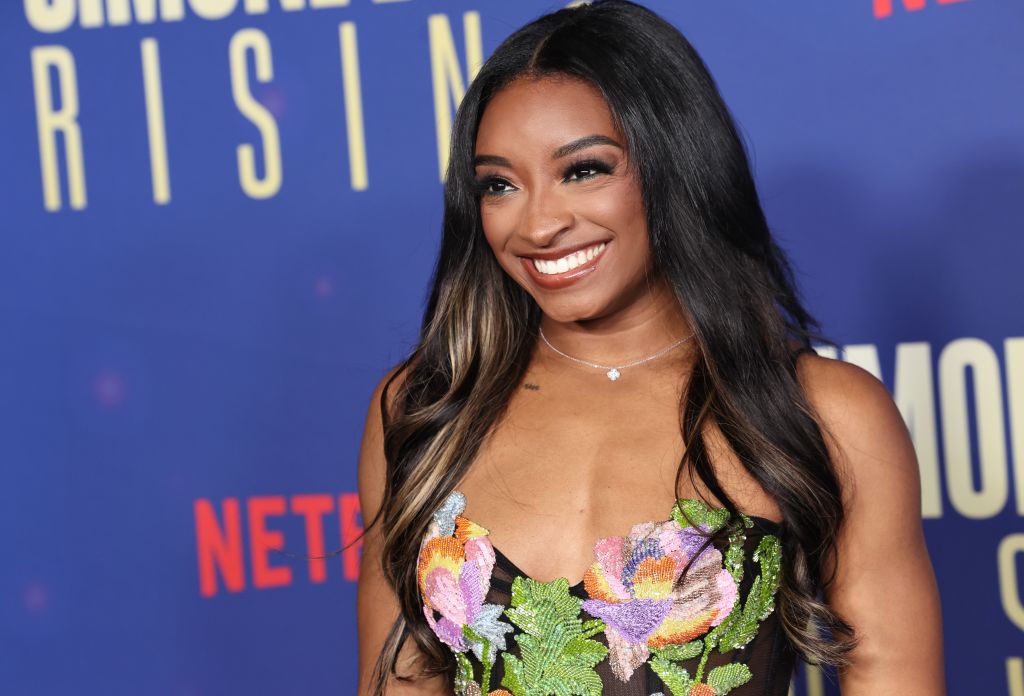
Simone Biles Clarifies Stance on Transgender Athletes After Riley Gaines Spat
Table of Contents
Olympic gold medalist Simone Biles has revisited her recent online exchange with Riley Gaines concerning transgender athletes in sports.biles,who initially labeled Gaines a “sore loser,” has now clarified her position,advocating for a balanced approach that respects both competitive fairness and inclusivity. The exchange highlights the ongoing debate surrounding transgender athletes’ participation in sports and the challenges of creating equitable policies.
In a statement released on X (formerly Twitter) on June 10, 2025, Biles expressed regret for her personal remarks directed at Gaines. “I’ve always believed competitive equity & inclusivity are both essential in sport,” Biles stated. “The current system doesn’t adequately balance these important principles, which often leads to frustration and heated exchanges, and it didn’t help for me to get personal with Riley, which I apologize for.”
Biles Advocates for Inclusive Sports Policies
Biles emphasized that her criticism was not aimed at policies promoting fairness in women’s sports. Rather, she voiced concern over the singling out of individual athletes, notably children, for public scrutiny. she argued that such personal attacks are harmful and misdirected, given that these athletes have no control over the existing system. According to a 2023 report by the Women’s Sports Foundation, young athletes are particularly vulnerable to the psychological effects of public criticism and policy debates Women’s Sports Foundation.
Did You know? A 2024 study published in the *Journal of Sports Ethics* found that inclusive sports policies can positively impact the mental health and well-being of transgender athletes.
Biles further articulated her vision for a more inclusive sports environment, urging sports organizations to develop rules that support inclusion while maintaining fair competition. “I believe sports organizations have a obligation to come up with rules supporting inclusion while maintaining fair competition. We all want a future for sport that is fair, inclusive, and respectful,” she concluded.
Context of the Biles-Gaines exchange
The recent exchange between Biles and Gaines was sparked by Gaines’ commentary on a post from the Minnesota State High School League featuring players with their softball state championship plaque. Gaines’ comment, “Comments off lol. To be expected when your star player is a boy,” referred to Marissa Rothenberger, a transgender athlete and the team’s star pitcher. This comment prompted Biles’ initial response, where she accused Gaines of bullying the trans community and being a “sore loser.”
Biles suggested creating a separate transgender category in all sports to foster inclusivity and safety. This proposal aligns with ongoing discussions within sports organizations about how to best accommodate transgender athletes while ensuring fair competition. The International Olympic committee (IOC) has been working on frameworks to guide sports federations in developing their own inclusion policies International olympic Committee.
Pro Tip: When discussing sensitive topics like transgender athletes in sports, focus on respectful dialog and avoid personal attacks. Emphasize the importance of finding solutions that balance inclusivity and fairness.
The Broader Debate on Transgender Athletes
The debate surrounding transgender athletes in sports is complex, involving considerations of fairness, safety, and inclusion. advocates for inclusion argue that excluding transgender athletes is discriminatory and harmful, while those advocating for stricter regulations raise concerns about potential competitive advantages. According to a 2024 Gallup poll, public opinion on transgender athletes’ participation in sports is divided, with notable differences based on age, gender, and political affiliation Gallup.
The issue is further complicated by varying state laws and regulations regarding transgender athletes’ participation in school sports. As of June 2025, several states have enacted laws restricting transgender athletes’ participation, while others have adopted more inclusive policies. This patchwork of regulations creates challenges for athletes, schools, and sports organizations seeking to navigate the evolving landscape.
| Approach | Description | Pros | Cons |
|---|---|---|---|
| Inclusive Policies | Allow transgender athletes to participate based on gender identity. | Promotes inclusion and reduces discrimination. | Raises concerns about fairness and potential competitive advantages. |
| Restricted Policies | Restrict transgender athletes’ participation based on assigned sex at birth. | Addresses concerns about fairness and competitive balance. | Can be discriminatory and harmful to transgender athletes. |
| Separate Categories | Create separate categories for transgender athletes. | Potentially balances inclusion and fairness. | May lead to segregation and logistical challenges. |
what are your thoughts on creating separate categories for transgender athletes in sports? How can sports organizations best balance inclusivity and fairness in their policies?
Evergreen Insights: Background, Context, Historical trends
The discussion around transgender athletes in sports is not new, but it has gained increased attention in recent years due to high-profile cases and evolving social attitudes.Historically, sports have been largely segregated by sex, with the assumption that biological differences create inherent advantages. However, as societal understanding of gender identity has evolved, so to has the debate over how to create fair and inclusive sports environments.
The International Olympic Committee (IOC) has been at the forefront of this discussion, issuing guidelines for transgender athletes’ participation in the Olympics. These guidelines have evolved over time, reflecting ongoing scientific research and changing social norms. However, the implementation of these guidelines at the national and local levels remains a challenge, as sports organizations grapple with how to balance competing interests and values.
The future of transgender athletes in sports will likely depend on continued dialogue,scientific research,and the development of policies that are both fair and inclusive. it will also require a commitment to creating a welcoming and supportive environment for all athletes, regardless of their gender identity.
FAQ: Transgender Athletes and Sports
- Why is the issue of transgender athletes in sports so controversial?
- The issue is controversial because it involves competing values of fairness, inclusion, and safety. Some argue that transgender women may have inherent advantages over cisgender women, while others argue that excluding transgender athletes is discriminatory.
- What are some proposed solutions for addressing the issue of transgender athletes?
- Proposed solutions include creating separate categories for transgender athletes, implementing hormone level requirements, and adopting inclusive policies that allow transgender athletes to participate based on their gender identity.
- How do hormone levels affect athletic performance in transgender athletes?
- Hormone therapy can affect muscle mass, strength, and other factors that influence athletic performance. Some sports organizations have implemented hormone level requirements for transgender women to ensure fair competition.
- What are the potential benefits of inclusive sports policies for transgender athletes?
- Inclusive sports policies can promote mental health, reduce discrimination, and provide transgender athletes with opportunities to participate in sports and experience the benefits of physical activity.
- What are the potential challenges of creating separate categories for transgender athletes?
- Creating separate categories may lead to segregation, logistical challenges, and potential difficulties in determining eligibility criteria.
- How are sports organizations addressing the issue of transgender athletes?
- Sports organizations are developing policies and guidelines based on scientific research, legal considerations, and ethical principles. Many organizations are also engaging in dialogue with athletes, experts, and stakeholders to find solutions that balance competing interests.
- What role does public opinion play in shaping policies related to transgender athletes?
- Public opinion can influence policy decisions and create pressure on sports organizations to adopt certain approaches. However, it is important to base policies on evidence-based research and ethical considerations, rather than solely on public sentiment.
Disclaimer: This article provides general data and does not constitute legal or medical advice. Consult with qualified professionals for specific guidance.
What steps can individuals take to promote inclusivity and respect for transgender athletes in their communities?
Share your thoughts and join the conversation! Subscribe to our newsletter for more updates on sports and social issues.
