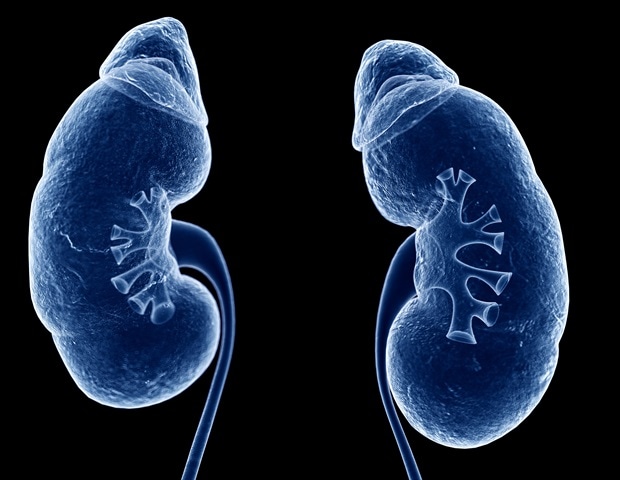
Severe Gum Disease Linked to Early Kidney Function Decline
Recent clinical data confirms a significant correlation between severe periodontitis and the early stages of chronic kidney disease (CKD). Longitudinal analysis indicates that individuals suffering from advanced gum inflammation exhibit a higher statistical probability of declining renal filtration rates compared to those with healthy periodontal tissue, suggesting that systemic inflammation originating in the oral cavity may act as a precursor to renal morbidity.
Key Clinical Takeaways:
- Chronic periodontitis is now identified as a potential independent risk factor for the acceleration of early-stage renal function decline.
- Systemic inflammation, characterized by elevated C-reactive protein and pro-inflammatory cytokines, serves as the primary biological bridge between periodontal disease and kidney impairment.
- Early intervention through professional dental prophylaxis and periodontal maintenance may provide a secondary benefit in preserving long-term renal health.
The Biological Mechanism of Oral-Renal Pathogenesis
The association between oral health and systemic disease is increasingly defined by the spillover of oral pathogens and their metabolic byproducts into the circulatory system. According to findings published in the Journal of Clinical Periodontology, the chronic inflammatory response triggered by Porphyromonas gingivalis and other anaerobic bacteria creates a state of persistent systemic stress. This chronic inflammatory burden is hypothesized to damage the delicate microvasculature of the renal glomeruli, effectively reducing the kidney’s ability to filter metabolic waste.

Dr. Elena Rossi, a lead researcher in nephro-immunology, notes, “The persistence of oral-derived bacteremia forces the immune system into a state of constant activation. When this is sustained over years, the cumulative damage to the renal endothelium becomes clinically detectable as a drop in the estimated glomerular filtration rate (eGFR).”
Epidemiological Evidence and Study Parameters
Research examining large-scale cohorts—often utilizing N-values exceeding 10,000 participants—has consistently demonstrated that the severity of periodontal attachment loss correlates with lower eGFR levels. These studies, frequently supported by grants from the National Institute of Dental and Craniofacial Research (NIDCR), utilize rigorous adjustments for common comorbidities, including hypertension, diabetes, and tobacco use. By isolating periodontitis as a variable, researchers have identified a statistically significant trend that persists even after controlling for traditional metabolic risk factors.
For patients currently managing early-stage renal markers, integrating a comprehensive oral health assessment into their primary care routine is no longer optional. It is highly recommended to consult with board-certified periodontists to evaluate oral inflammation levels and establish a long-term stabilization plan.
Clinical Triage and Preventive Standards
Standard of care for patients with renal risk factors has traditionally focused on blood pressure control and glycemic management. However, the emerging consensus suggests that dental health must be viewed through the lens of systemic medicine. The clinical gap identified here is the lack of cross-disciplinary communication between nephrology departments and dental practices. Addressing this gap requires a proactive diagnostic approach.

Healthcare providers who specialize in high-risk patient populations are increasingly adopting protocols that prioritize oral hygiene as a component of organ preservation. For those seeking to mitigate these risks, identifying diagnostic centers equipped with advanced oral-systemic screening tools is an essential step in modern preventive medicine. Furthermore, integrated dental-medical clinics are uniquely positioned to manage the interplay between chronic gingival infection and systemic inflammatory markers.
Future Trajectory of Longitudinal Research
While the link between periodontal disease and renal decline is firmly established, future research is shifting toward identifying whether aggressive periodontal therapy can effectively reverse or stabilize early-stage CKD. Current clinical trials are investigating whether the reduction of oral bacterial load leads to a measurable decrease in systemic cytokines like Interleukin-6 and Tumor Necrosis Factor-alpha. As these trials progress, the medical community expects to refine the guidelines for periodontal intervention as a standard prophylactic measure for patients at risk of kidney disease.
The transition from treating periodontitis as an isolated oral issue to recognizing it as a systemic health priority represents a major shift in clinical practice. Maintaining regular screenings and ensuring that any periodontal pathology is addressed early remains the most effective strategy for preventing the systemic complications associated with chronic inflammation.
Disclaimer: The information provided in this article is for educational and scientific communication purposes only and does not constitute medical advice. Always consult with a qualified healthcare provider regarding any medical condition, diagnosis, or treatment plan.