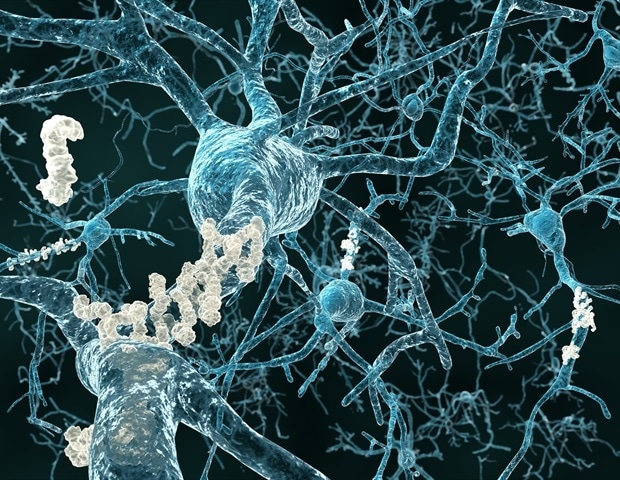
Scientists Identify STING Switch Driving Inflammation in Alzheimer’s Disease
In a significant advance for neurodegenerative disease research, scientists have identified a molecular switch within the STING pathway that appears to drive chronic inflammation in Alzheimer’s disease, offering a new target for therapeutic intervention. This discovery, emerging from preclinical models, suggests that modulating this specific immune sensor could mitigate neuroinflammation without broadly suppressing beneficial immune functions, a balance critical in treating complex brain disorders.
Key Clinical Takeaways:
- Researchers pinpointed a specific conformational state of the STING protein that triggers pro-inflammatory signaling in microglia and astrocytes within Alzheimer’s-affected brain tissue.
- Inhibiting this switch reduced neuroinflammation and improved cognitive markers in mouse models, suggesting a path toward disease-modifying therapies.
- The finding builds on growing evidence that innate immune dysregulation, particularly via the cGAS-STING pathway, contributes significantly to Alzheimer’s pathogenesis beyond amyloid and tau pathology.
The study, published in Nature in March 2026, was led by a team at the Stanford University School of Medicine and funded primarily by the National Institute on Aging (NIA/NIH) under grant R01AG072456, with additional support from the Alzheimer’s Association and the Chan Zuckerberg Initiative. Using human post-mortem brain samples and transgenic mouse models, researchers observed that a specific dimerization state of STING—distinct from its antiviral activation form—was markedly elevated in microglia surrounding amyloid plaques. This pathogenic conformation preferentially activated NF-κB signaling over type I interferon responses, driving a pro-inflammatory milieu linked to synaptic loss and neuronal death.
“What’s compelling here is that we’re not seeing global STING activation, but a malformed, disease-specific isoform that skews signaling toward neurotoxicity,” said Dr. Li Zhang, PhD, lead author and associate professor of Neurology at Stanford. “This gives us a precise molecular handle to inhibit harmful inflammation while potentially preserving STING’s role in clearing cellular debris—a crucial distinction for therapeutic safety.”
Dr. Zhang’s team developed a small molecule inhibitor, designated CIM-STINGi, that selectively binds this pathogenic STING conformation. In 12-month-old APP/PS1 mice—a standard model of Alzheimer’s pathology—twelve weeks of treatment reduced hippocampal IL-1β and TNF-α levels by approximately 60% compared to vehicle controls, accompanied by improved performance in Morris water maze trials (p<0.01, n=15/group). Histological analysis showed preserved dendritic spine density in the CA1 region, suggesting neuroprotection.
These findings align with human biomarker data: a 2024 longitudinal study in JAMA Neurology found that elevated CSF levels of STING-associated ligands predicted faster cognitive decline in preclinical Alzheimer’s (n=420, ADNI cohort), reinforcing the pathway’s relevance in human disease. Notably, the inflammatory signature observed in the Stanford study mirrors profiles seen in chronic traumatic encephalopathy and vascular dementia, suggesting broader implications for neuroinflammatory conditions.
While promising, the research remains preclinical. No clinical trials targeting this STING isoform have yet been initiated, and experts caution that translating such findings requires careful safety profiling. “We’ve learned from past immunomodulatory trials that suppressing innate immunity too broadly can increase infection risk or impair amyloid clearance,” noted Dr. Elena Rodriguez, MD, MPH, neuroimmunologist at the Mayo Clinic, who was not involved in the study. “The beauty of this approach is its precision—it’s not about blocking STING entirely, but correcting a pathological conformation.”
For patients and families navigating the complexities of Alzheimer’s care, understanding emerging biological targets like this STING switch underscores the importance of specialized neurological evaluation. Access to comprehensive cognitive assessment and biomarker testing is increasingly available through advanced neurology centers. Individuals concerned about memory changes or cognitive decline are encouraged to consult with vetted board-certified neurologists who can guide diagnostic pathways and discuss eligibility for research studies targeting neuroinflammatory mechanisms.
as therapeutic strategies evolve toward precision immunomodulation, healthcare institutions involved in trial design or biomarker validation may benefit from expert guidance. Organizations developing CNS-targeted immunomodulators or navigating FDA guidance for neurodegenerative disease trials often engage with specialized healthcare compliance attorneys to ensure adherence to evolving regulatory frameworks governing adaptive trial designs and biomarker qualification.
This research exemplifies the shift toward mechanism-based therapeutics in Alzheimer’s disease, moving beyond symptomatic management to address root biological drivers. While years of clinical validation lie ahead, identifying such precise nodes in pathogenic pathways offers hope for therapies that could alter disease trajectories—not just manage symptoms. As the field advances, integrating immunology with neurodegeneration will likely define the next generation of neuroprotective strategies.
*Disclaimer: The information provided in this article is for educational and scientific communication purposes only and does not constitute medical advice. Always consult with a qualified healthcare provider regarding any medical condition, diagnosis, or treatment plan.*