
Cyberattacks Target Polish Infrastructure, Raising Security Concerns
Warsaw - A recent wave of cyberattacks orchestrated by groups linked to russia is targeting Poland‘s critical infrastructure, prompting heightened security alerts and investigations. The attacks, which began in April 2024 and have escalated in recent weeks, have focused on energy, water, and diplomatic systems.
Hydroelectric Plant Compromised
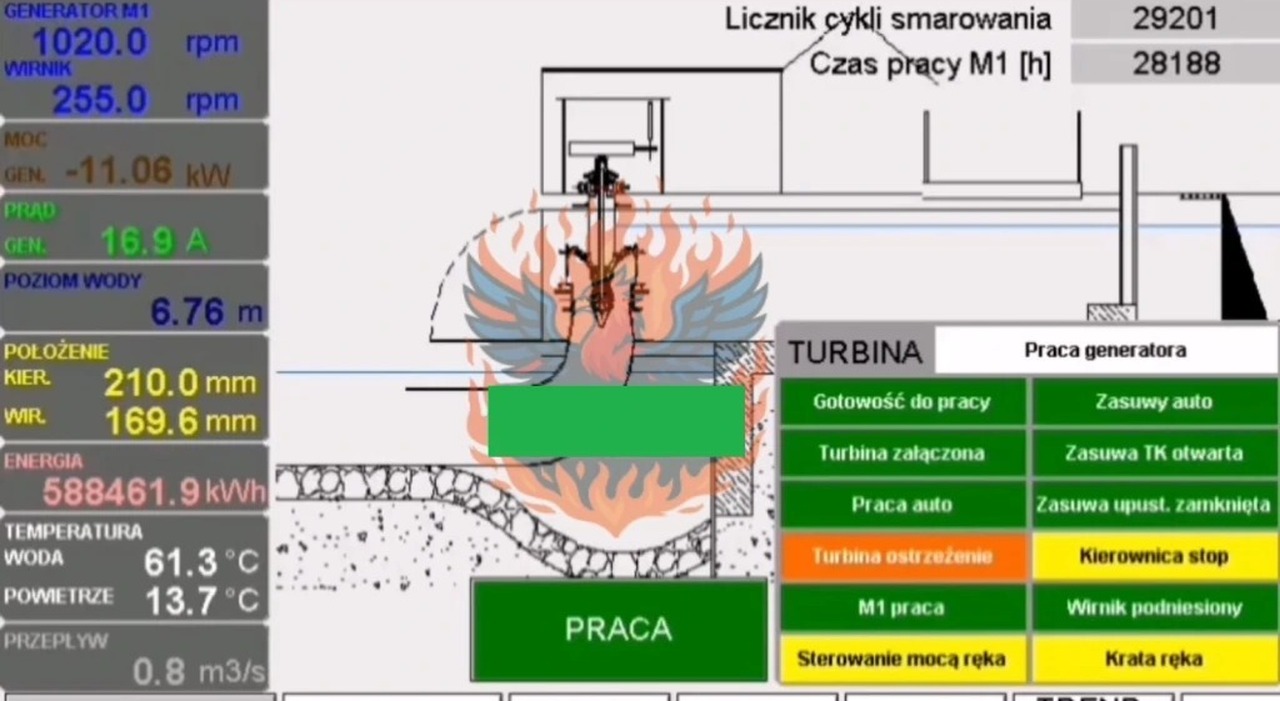
A small hydroelectric power plant in the Pomeranian Voivodeship, near Gdańsk, was recently targeted, resulting in the temporary disruption of operations.The attack, confirmed by Cyberdefence24, involved the manipulation of generator and rotor controls, causing a system shutdown. This incident follows a similar attack on the same facility earlier in May.
“The filming of August shows the manipulation of the parameters of a central in operation, an alarming fact from the point of view of energy safety,” reported Cyberdefence24.
Did You Know? Industrial control systems (ICS) are notably vulnerable to cyberattacks due to their often outdated security protocols and direct connection to physical processes.
Escalating Attacks on Water Systems
The attacks aren’t limited to energy infrastructure. Several water treatment and wastewater facilities have also been compromised. In April, plants in Maldyty, Tolkmiczko, and Sieraków were targeted. Further attacks occurred in October 2024 at Kużnica’s water infrastructure and in August 2025 on systems managing pools and public fountains.In May, the Szczytno water treatment plant was also affected.
Deputy Prime Minister Krzysztof Gawkowski revealed that Polish security services recently thwarted a cyberattack aimed at a major city’s water system, perhaps preventing disruption for thousands of residents. “We managed to stop the attack at the last minute,” Gawkowski stated to Onet Rano.
Timeline of Attacks
| Date | Target |
|---|---|
| April 2024 | Water treatment plants in Maldyty, Tolkmiczko, Sieraków |
| May 2024 | Szczytno water treatment plant, Pomeranian hydroelectric plant |
| October 2024 | Kużnica water infrastructure |
| August 2025 | Systems managing pools and public fountains, Pomeranian hydroelectric plant |
Russian hacker Group “Secret Blizzard” Identified
Microsoft has identified the Russian hacker group “Secret Blizzard,” affiliated with the FSB’s 16th Center, as being behind a series of computer espionage operations. These operations have targeted devices used by diplomatic staff connected to Russian internet providers since 2024, focusing on foreign embassies and diplomatic institutions in Moscow.
Pro Tip: Regularly updating software and implementing multi-factor authentication are crucial steps in mitigating the risk of cyberattacks.
Spyware “ApolloShadow” Used in Attacks
The attacks utilize the “ApolloShadow” spyware, a sophisticated tool disguised as antivirus software. This malware falsifies root certificates and intercepts encrypted data, allowing attackers to steal credentials, gain administrator privileges, and maintain persistent access to compromised devices. According to a report by Mandiant, similar tactics have been employed in previous state-sponsored attacks [[1]].
These coordinated attacks highlight a growing and increasingly targeted cyber threat against Poland’s critical infrastructure. What measures can international partners take to assist Poland in bolstering its cybersecurity defenses? How can governments and private sector organizations collaborate to share threat intelligence and best practices?
The increasing frequency and sophistication of cyberattacks on critical infrastructure represent a global trend. Nation-states and criminal organizations are increasingly leveraging cyber capabilities to disrupt essential services, steal sensitive data, and exert political influence. Understanding the tactics, techniques, and procedures (TTPs) employed by these attackers is crucial for developing effective defensive strategies. The Polish attacks serve as a stark reminder of the need for proactive cybersecurity measures and international cooperation.
Frequently Asked Questions About the Polish Cyberattacks
- What is the primary goal of these cyberattacks? The attacks appear aimed at disrupting critical infrastructure and gathering intelligence.
- Who is believed to be responsible for the attacks? Russian-linked hacking groups, including “Secret blizzard,” are suspected.
- What is “ApolloShadow” spyware? It’s a malicious software used to steal credentials and maintain persistent access to compromised systems.
- What is Poland doing to defend against these attacks? Poland is working to strengthen its cybersecurity defenses and has thwarted at least one major attack.
- Are other countries at risk? Yes, critical infrastructure worldwide is vulnerable to similar attacks.
This ongoing situation demands vigilance and a collaborative approach to cybersecurity. Stay informed and share this article to raise awareness about the growing threat to critical infrastructure.
