
Russia to Equip and Train Chinese Air Battalion, Leaked Documents Reveal
WASHINGTON – Russia will provide equipment and training to a Chinese airborne battalion, according to leaked documents reviewed by the Center for Strategic and International Studies (CSIS), signaling a deepening military partnership between the two nations. The agreement, finalized in 2023, outlines a program where Russian instructors will train Chinese soldiers in airborne operations within china.
The deal marks a significant development in Sino-Russian military cooperation, which has been steadily increasing in recent years. While China possesses a large military, it lacks the recent combat experience of Russia’s airborne forces – a key area the training aims to address. This collaboration raises concerns among Western analysts about the evolving balance of power in the Indo-Pacific region and potential implications for Taiwan.
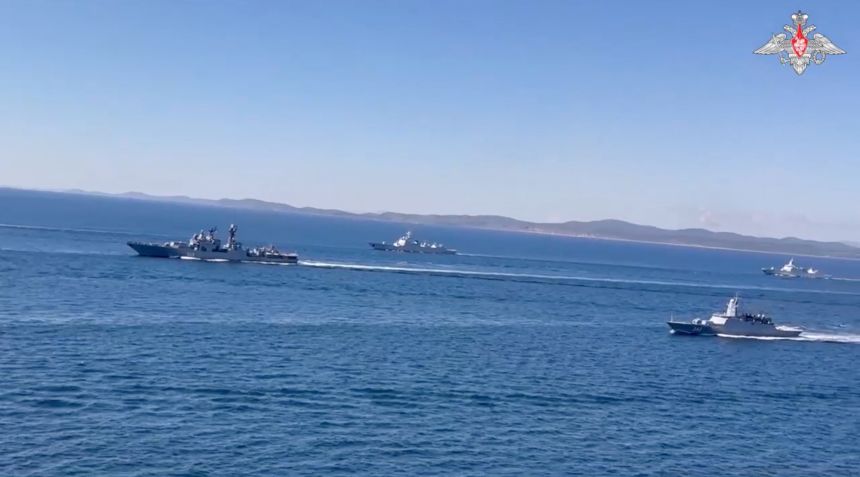
According to the documents, the training will be conducted both in Russia and China, with Russian instructors focusing on landing techniques, fire control, and maneuvering. The agreement comes as Moscow and Beijing have ramped up joint military drills, including naval patrols around Japan and air and sea patrols off Alaska. In August, they conducted their first-ever joint submarine patrol in the Pacific.
China and Russia conducted a record 14 joint military drills in 2024, surpassing the number of exercises held in any previous year since they began in 2003. Experts believe that if China were to attempt an attack on Taiwan, an effective air maneuver would be crucial for deploying troops and equipment in the initial stages of an operation, though a full-scale invasion would likely necessitate a large and challenging amphibious assault.
The greatest benefit for Beijing, according to analysts at the Royal United Services Institute (RUSI), lies in the training of the airborne battalion, leveraging Russia’s combat experience in this specific domain. The agreement underscores a growing alignment between Russia and China, notably in the face of shared geopolitical tensions with the United States and its allies.
