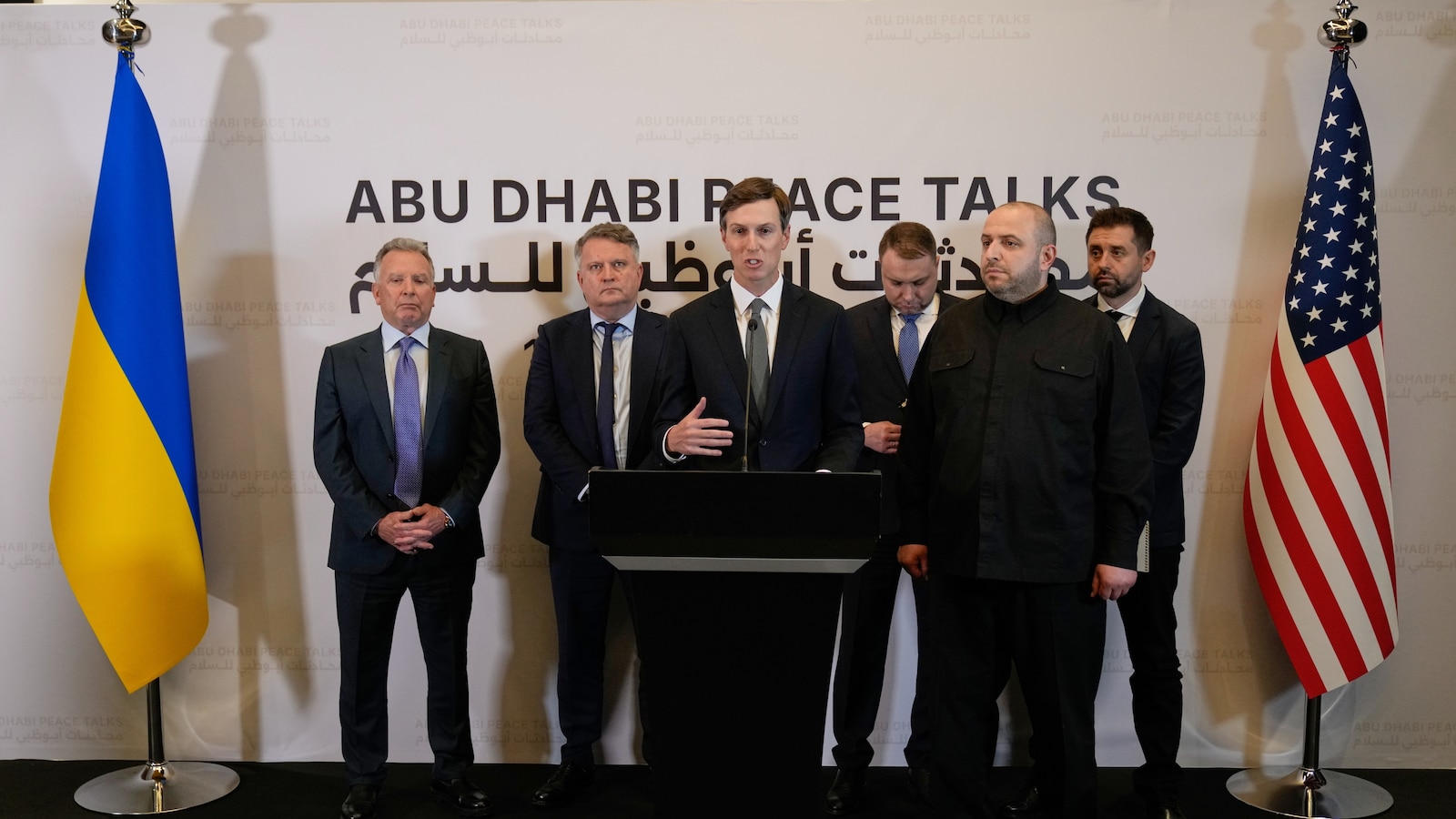
Russia Embraces US Proposal and Revives Prewar Security Demands
On November 21, 2026, the Kremlin embraced a U.S. proposal to discuss postwar European security, reviving prewar demands that President Vladimir Putin first issued before the invasion of Ukraine.
The diplomatic opening emerged after U.S. President Donald Trump’s envoys floated broader security arrangements for Europe. ABC News reported that the initiative has alarmed Ukraine and its Western allies over fears that it could weaken NATO and play directly into Moscow’s hands.
The U.S. concept received strong support from the Kremlin, which characterized an examination of the broader European security framework as essential for resolving the most destructive conflict on the continent since World War II. At the APEC summit in Shenzhen, China, Putin met with Trump and Chinese President Xi Jinping to talk about the Ukrainian conflict, marking the first time the three leaders held trilateral talks.
That encounter fueled immediate fears in Kyiv that the leaders might discuss a possible settlement without Ukrainian participation. Ukrainian President Volodymyr Zelenskyy wants any ceasefire to include a security framework ensuring that Russia does not attack his country again, while European leaders argue that such an architecture already exists through NATO.

Reviving the 2021 Security Drafts
In draft agreements submitted to the U.S. and NATO in December 2021, two months before the full-scale invasion, Russia demanded that Washington and its allies pledge to exclude NATO’s expansion to Ukraine, Georgia, or any other former Soviet nation.
Moscow also insisted that the U.S. and its allies commit to deploying no weapons or military activities in Ukraine and other ex-Soviet states. The documents further obligated the alliance not to station troops in areas where they were not present in 1997, prior to NATO incorporating former Soviet bloc countries.
Additional suggestions in those drafts included a freeze on patrols by Russian and U.S. warships and bombers near each other’s borders. They also called for risk-reduction efforts regarding naval and aircraft incidents in the Baltic and Black seas, smaller military drills, and greater transparency measures.
NATO allies quickly rejected the Russian demands as a nonstarter at the time. Putin later described the West’s refusal to consider these proposals as the primary reason behind his decision to send troops into Ukraine on February 24, 2022, arguing he had to act against a major threat to Russian national security. Ukraine and its Western allies continue to denounce the invasion as an unprovoked act of aggression.
Reactions and Divisions in European Capitals
Speaking after the meeting with Xi and Trump, Putin criticized the West for ignoring Moscow’s complaints regarding NATO expansion.
“They just spat at our opinion,” said Vladimir Putin, President of Russia.
Putin rejected the European response to Moscow’s plans in blunt terms. He labeled the European reaction as political diarrhea and nonsense, asserting that everyone understands Russia does not strive for a war with Europe. He added that Moscow is open to discussing continental security arrangements with Europeans as the U.S. suggested, while scoffing at hysterics in some European capitals over Washington’s offer.
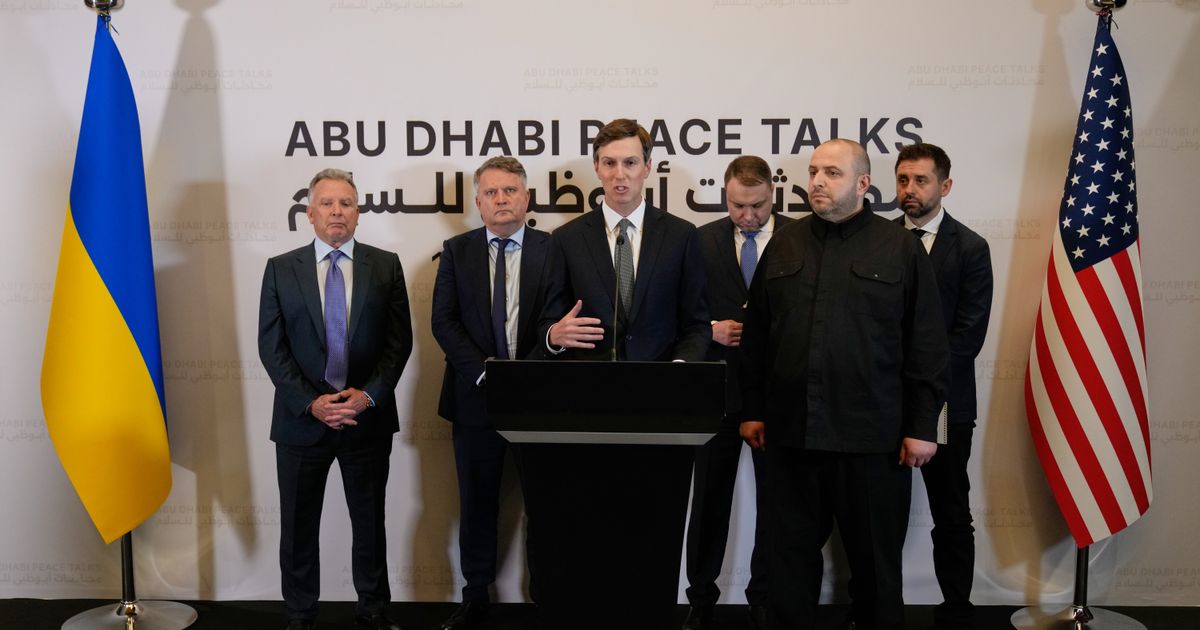
During a November 12 meeting inside the Kremlin with Trump envoys Steve Witkoff and Jared Kushner, Russian presidential adviser on foreign affairs Yuri Ushakov mentioned that Putin brought up the 2021 security initiatives, pointing out that those plans called for withdrawing NATO forces from Central and Eastern Europe. Ushakov added that the Kremlin would now update those proposals with fresh considerations.
European leaders fear that Putin could persuade Trump to support a peace settlement that weakens both Ukraine and wider European security. Kaja Kallas, the European Union’s top diplomat, argued that Europe must insist on a ceasefire before taking negotiations further.
“If we start to talk about what Russia is asking regarding the security architecture, we actually walk into the traps that Russia is setting us,” Kaja Kallas, EU High Representative for Foreign Affairs and Security Policy, told the European Political Community in Dublin earlier this month.
Zelenskyy also warned that discussing a new security framework for Europe before the war ends could allow Moscow to weaken NATO and reshape continental borders.
Meanwhile, Kushner said after meeting with Zelenskyy and European leaders in Berlin that Trump wants to make a deal with Europe by his side rather than imposing a unilateral agreement. Kushner emphasized that Trump remains open to NATO-like security guarantees for postwar Ukraine and believes Russia is comfortable with allies offering such assurances.

Tatiana Stanovaya, an expert at the Carnegie Russia Eurasia Center, predicted that prospective talks will deepen divisions among European allies. “I expect the process to deepen divisions within Europe, with little prospect of concrete results,” Stanovaya said in a post on X.
Will European capitals successfully present a unified negotiating position before formal talks on the continent’s security architecture commence, or will the U.S. diplomatic initiative proceed without regional consensus?
Ukrainian President Volodymyr Zelenskyy, born in 1978 in Kryvyi Rih, built a national reputation as a comedian and producer before entering politics. His satirical series *Servant of the People*, in which he played a teacher who unexpectedly becomes president, aired from 2015 to 2019 and inspired the political party that carried him to a landslide victory in 2019 with 73.23 percent of the vote.
He took office five years after the war in Donbas began and remained in Kyiv after the full-scale invasion of February 2022, declining evacuation offers. His presidential term, originally set to end in May 2024, has been extended indefinitely under martial law, making him the second-longest serving president in Ukraine’s history.
Vladimir Putin expects Europe to acknowledge that Moscow must be included in any talks addressing European security.