
The Unraveling of the US-Led Global Order and the Search for a New Foundation
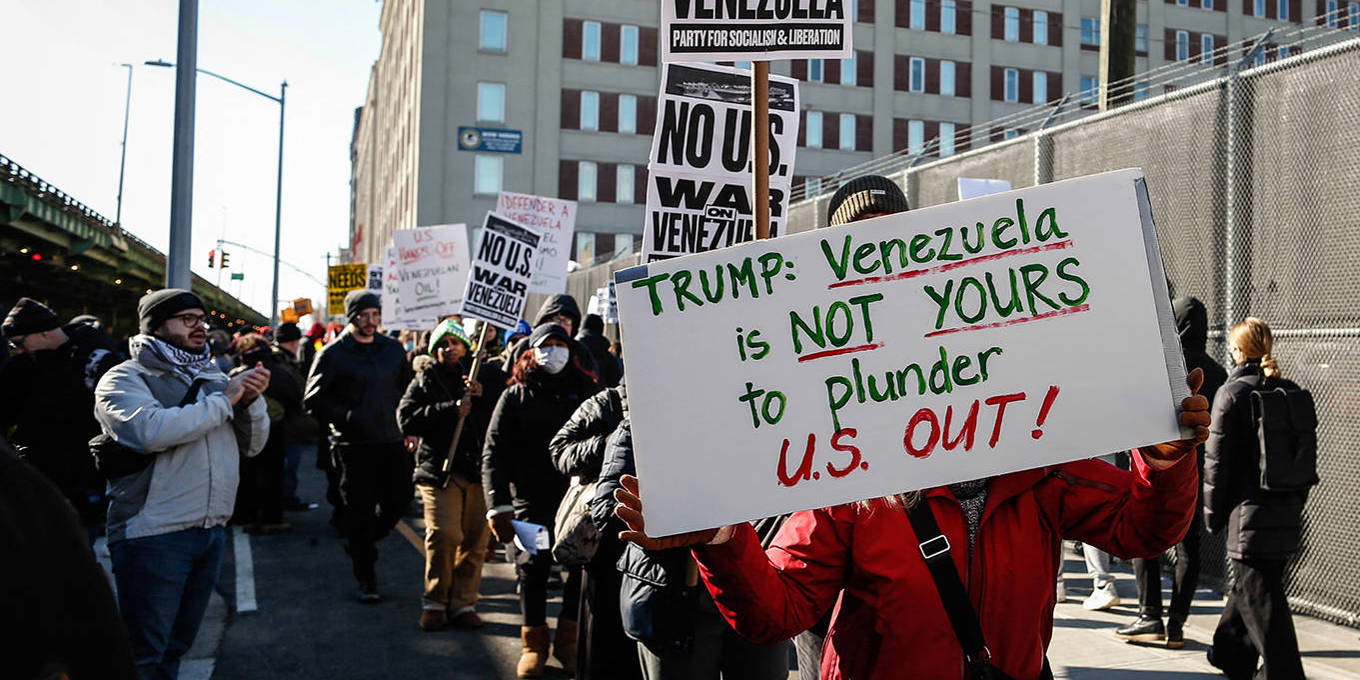
The intervention in Venezuela under the Trump governance marked a pivotal moment, not for its success or failure in regime change, but for what it revealed about the state of the international order. By shedding the guise of promoting democracy and human rights, the administration exposed a system increasingly driven by strategic interests, ultimately demonstrating the fragility of the US-led global order. This realization necessitates a critical re-evaluation and the construction of a new philosophical foundation for international relations.
The Veneer of Principle: US Foreign Policy and its Discontents
For decades, the United States has positioned itself as a champion of democracy and human rights on the world stage. This narrative has been central too justifying its foreign policy interventions, from the Cold War to the post-9/11 era. However, critics have long argued that these principles often served as convenient justifications for pursuing economic and geopolitical objectives. The case of Venezuela arguably provided the most blatant example of this disconnect.
The Trump administration’s support for Juan Guaidó,who declared himself interim president in 2019,was framed as a defense of Venezuelan democracy against the authoritarian rule of Nicolás Maduro. However, the administration’s actions – including crippling economic sanctions Council on Foreign Relations – had a devastating impact on the Venezuelan population,exacerbating a humanitarian crisis. This raised serious questions about the true motivations behind the intervention. Was it genuinely about restoring democracy, or was it about securing access to Venezuela’s vast oil reserves and countering the influence of rivals like Russia and China?
The reality is likely a complex combination of factors. But the perception, amplified by the administration’s rhetoric and actions, was that the US was willing to sacrifice the well-being of the Venezuelan people to achieve its strategic goals. This hypocrisy undermined the credibility of the US as a defender of universal values and exposed the inherent contradictions within the existing international order.
The Cracks in the System: Why the US-Led Order is Straining
The situation in Venezuela is not an isolated incident. It’s symptomatic of broader trends that are challenging the US-led global order. Several factors contribute to this strain:
- The Rise of Multipolarity: The emergence of China as a major economic and military power has fundamentally altered the global landscape. China’s growing influence, notably in the developing world, offers an alternative to the US-dominated system. Brookings Institute – China
- The Erosion of International Institutions: Institutions like the United Nations, the World Trade Organization, and the International Criminal Court are facing increasing challenges to their legitimacy and effectiveness. Nationalism and unilateralism, exemplified by the “America First” policy of the Trump administration, have weakened multilateral cooperation.
- The Failure of Neoliberalism: The neoliberal economic policies promoted by the US and international financial institutions have been criticized for exacerbating inequality and creating economic instability. This has fueled resentment and anti-globalization sentiment in many parts of the world.
- shifting Global Norms: The conventional emphasis on liberal democracy and human rights is being challenged by alternative models of governance, such as state capitalism and authoritarianism.
These factors have created a vacuum of leadership and a sense of uncertainty about the future of the international order. The US, preoccupied with domestic challenges and increasingly inward-looking, has been less willing and able to provide the public goods – such as security, economic stability, and the promotion of democratic values – that underpinned the post-World War II order.
Building a New Foundation: Towards a More Just and Enduring International Order
Rebuilding trust and establishing a more stable and equitable international order requires a basic shift in thinking. it demands moving beyond the outdated assumptions and power dynamics that have characterized the US-led system. Here are some key elements of a new philosophical foundation:
Multilateralism and Inclusive Governance
A renewed commitment to multilateralism is essential. This means strengthening international institutions, promoting greater inclusivity in decision-making processes, and prioritizing cooperation over competition. It also requires recognizing the legitimate interests of all countries, not just the powerful ones.
A Focus on Human Security
The traditional focus on state security must be broadened to encompass human security – the protection of individuals from violence, poverty, and environmental degradation. This requires addressing the root causes of conflict and inequality, and prioritizing sustainable growth.
Respect for Sovereignty and Non-Interference
While upholding international law and human rights, a new international order must also respect the sovereignty of states and refrain from unwarranted interference in their internal affairs. The principle of non-intervention should be strengthened, with exceptions only in cases of genocide, crimes against humanity, or other grave violations of international law.
A Rejection of Double Standards
The submission of international norms and principles must be consistent and impartial. Double standards – where certain countries are held to different standards than others – undermine the credibility of the international system and fuel resentment.
Economic Justice and Sustainable Development
Addressing global inequality and promoting sustainable development are crucial for building a more just and stable world. This requires reforming the international financial system, promoting fair trade practices, and investing in renewable energy and climate change mitigation.
The Path Forward: Challenges and Opportunities
The transition to a new international order will not be easy. It will require overcoming deeply entrenched interests and challenging long-held assumptions. The US, in particular, will need to confront its own role in the current system and embrace a more cooperative and humble approach to foreign policy.
Though, the challenges also present opportunities. A more just and sustainable international order could lead to greater peace, prosperity, and cooperation. It could also create a more resilient and equitable global system, better equipped to address the complex challenges of the 21st century.
Key Takeaways
- The intervention in Venezuela exposed the hypocrisy and limitations of the US-led global order.
- The existing international system is facing increasing strain due to the rise of multipolarity, the erosion of international institutions, and the failure of neoliberalism.
- Rebuilding the international order requires a new philosophical foundation based on multilateralism, human security, respect for sovereignty, and economic justice.
- The transition to a new order will be challenging, but it also presents opportunities for a more peaceful, prosperous, and sustainable world.
