
oil Market Stability: Putin Says No Immediate OPEC+ Action Needed Amid Middle East tensions
Table of Contents
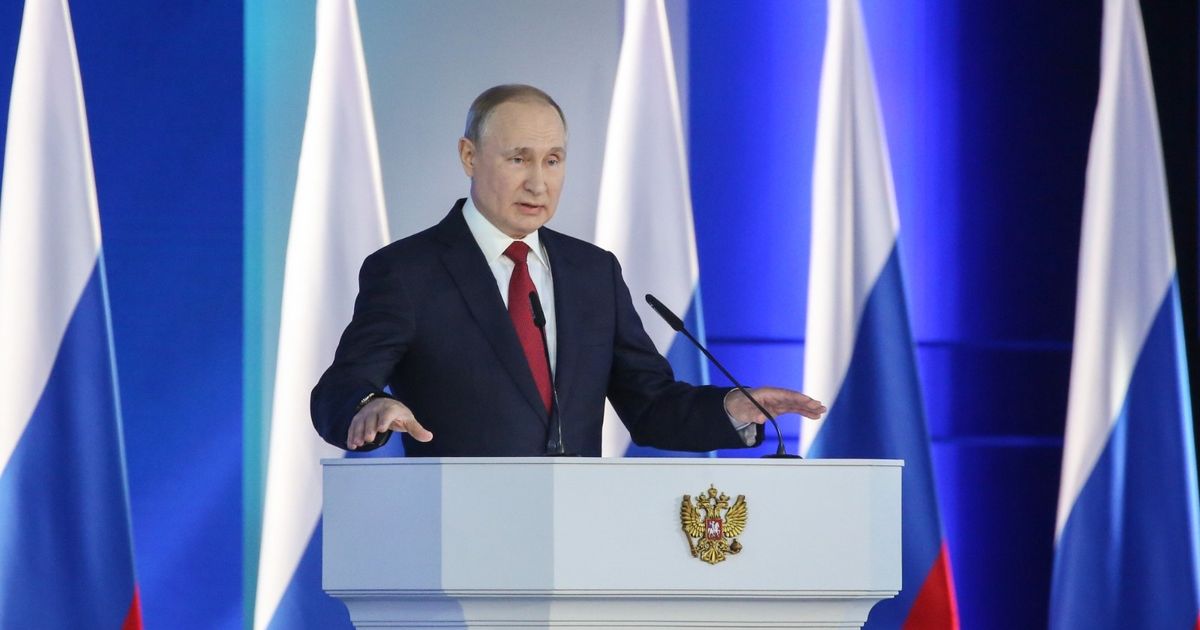
Russian President Vladimir Putin stated that the current global [2] oil market does not require additional intervention from oil producers, even with the ongoing tensions between Israel and Iran. He believes the impact of these tensions on [3] oil prices has been limited.
OPEC+ Monitoring Market Conditions
Responding to questions about Russia’s readiness to increase production to stabilize the market amidst Middle Eastern turmoil, Putin noted that several OPEC+ members, including gulf states, possess the capacity to boost production if necessary. Though, he emphasized that such actions are typically coordinated. He affirmed that the Organization of the Petroleum Exporting Countries (OPEC) and its allies, including Russia, will continue to closely monitor market conditions, but “so far, there is no need for an immediate response.”
Did You Know? OPEC+ controls approximately 40% of the world’s crude oil supply, giving it significant influence over global oil prices [U.S. Energy Information Administration].
Impact of Geopolitical Events on Oil Prices
The global oil market recently experienced a volatile period, with futures prices fluctuating within an $8 range, reaching levels unseen since 2022, due to the mutual attacks between Israel and Iran. However, prices subsequently decreased following indications that the United States might delay military action against Iran.
Iran’s Nuclear Program and Market Sentiment
Reports indicate that Iran is open to discussing limitations on its uranium enrichment activities, although it does not intend to halt them completely.This willingness to negotiate aims to alleviate concerns about potential military strikes from the United States, which could further destabilize the region and impact oil supplies.
OPEC+ Production Strategy
Eight OPEC+ countries have already agreed to increase their production for more than three consecutive months. The coalition is scheduled to hold a video conference on July 6 to discuss potentially increasing production further in August. Saudi Arabia is reportedly in favor of significant increases to expand its market share.
Future Production Decisions
Pro Tip: Keep an eye on the outcome of the July 6 OPEC+ video conference, as it will likely provide insights into the group’s production strategy for the coming months.
| Date | Event | Potential Impact |
|---|---|---|
| July 6, 2025 | OPEC+ Video Conference | Decision on August production levels |
| Ongoing | Monitoring of Israel-Iran Tensions | Potential for market volatility |
Evergreen Insights: The oil Market and Geopolitics
The oil market is intrinsically linked to geopolitical events. Conflicts, political instability, and diplomatic negotiations can all trigger significant price swings. OPEC+’s role in managing production levels is crucial for maintaining market stability. The International Energy Agency (IEA) provides analysis and key findings on the oil market, including long-term forecasts [1].
Frequently Asked Questions About the oil Market
- What factors influence crude oil prices?
- Crude oil prices are influenced by a variety of factors, including geopolitical tensions, production levels by major oil-producing nations, and potential shifts in uranium enrichment policies.
- Why is OPEC+’s role important in the oil market?
- OPEC+ (Organization of the Petroleum Exporting Countries and its allies) plays a crucial role in managing the global oil supply. Its members, including Russia and Gulf states, can adjust production levels to influence prices and market stability.
- How have tensions between israel and Iran affected oil prices?
- While the conflict between Israel and Iran initially caused volatility in the oil market, with price fluctuations reaching levels not seen since 2022, the impact has been limited. Prices have since stabilized.
- What is the current state of the global oil market?
- According to recent statements, the global oil market is currently stable enough that it does not require immediate intervention from major oil producers, despite ongoing tensions in the Middle East.
- What is the outlook for oil production increases in the near future?
- Eight OPEC+ countries have already agreed to increase their oil production for three consecutive months. A video conference is scheduled for July 6 to discuss further increases in August, with Saudi Arabia reportedly favoring significant increases to gain market share.
- How does political stability affect the oil market?
- Political stability, or lack thereof, significantly impacts the oil market.Events like potential military actions or diplomatic negotiations can cause immediate price fluctuations, reflecting market uncertainty.
What are your thoughts on the future of oil prices? How will geopolitical tensions impact the market in the long term?
Share your opinions and subscribe for more updates!
