
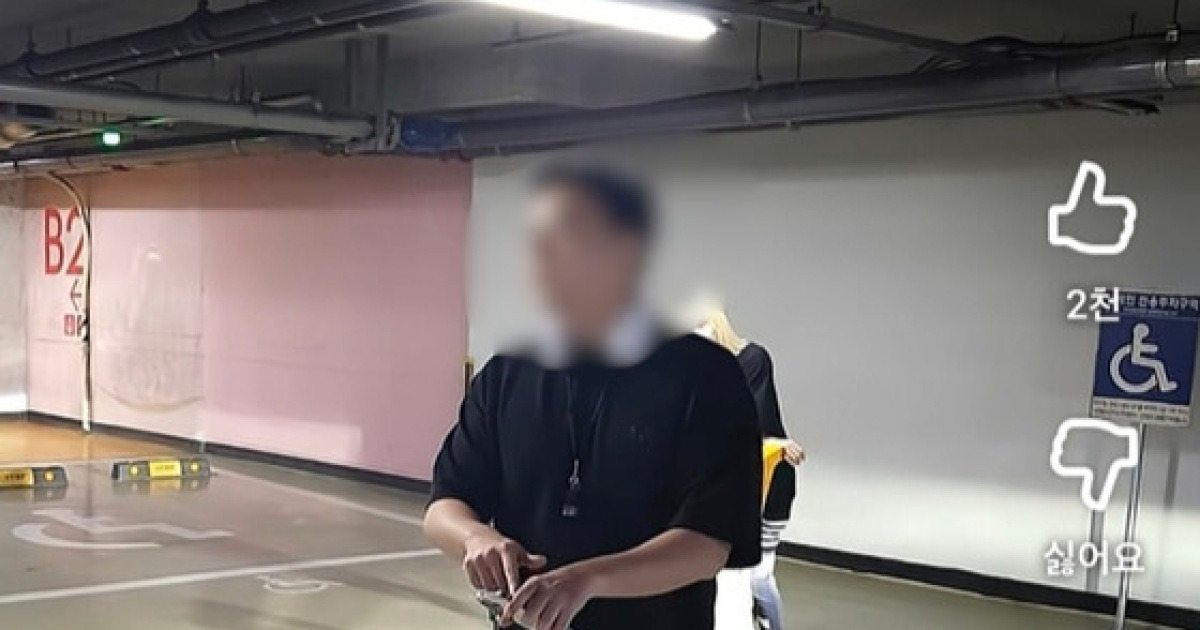
Gwangjin Police Station is now at the center of a structural shift involving disability rights and influencer accountability. The immediate implication is increased public scrutiny of police‑public interactions and potential policy adjustments.
The Strategic Context
South Korea’s rapid digital media expansion has amplified the reach of individual content creators, while societal expectations around accessibility and disability inclusion have grown alongside international norms. At the same time, law‑enforcement agencies face pressure to balance routine public‑order duties with heightened openness demands. thes intersecting trends create a backdrop in which incidents captured on social platforms can quickly become focal points for broader debates about institutional legitimacy and social equity.
Core Analysis: Incentives & Constraints
Source Signals: The video shows a YouTuber threatening occupants of a vehicle that included disabled individuals using a designated parking space. Police statements assert that the video omitted certain details, deny interference with “public interest reporting,” and apologize for remarks made by an officer. The police also indicate willingness to adopt measures to prevent recurrence. The video has amassed 100,000 views and generated hundreds of critical comments on the police station’s bulletin board.
WTN Interpretation: The YouTuber’s behavior reflects an incentive to generate sensational content that drives audience engagement, leveraging the platform’s algorithmic reward for controversy.Police officials are motivated to preserve institutional credibility while avoiding escalation that could attract further public criticism. their constraints include procedural norms, internal disciplinary mechanisms, and the need to demonstrate responsiveness without conceding legal liability. The rapid diffusion of the video creates a feedback loop: public reaction pressures the police to act, while the platform’s visibility amplifies the incident’s symbolic weight in ongoing debates about disability rights and influencer influence.
WTN Strategic Insight
“When digital creators intersect with public‑service spaces, the incident becomes a proxy battle for societal expectations of inclusion and state legitimacy.”
Future Outlook: Scenario Paths & Key Indicators
Baseline Path: Police authorities implement clearer guidelines for officer conduct during media‑recorded encounters and coordinate with platform regulators to address harassment content.The YouTuber faces platform sanctions or reduced monetization, leading to a de‑escalation of public criticism.
Risk Path: Persistent public outcry fuels legislative proposals to tighten oversight of influencer behavior and police transparency, while the YouTuber doubles down on provocative content, potentially sparking broader protests from disability advocacy groups and eroding trust in local law enforcement.
- Indicator 1: Number of formal complaints lodged against gwangjin Police Station within the next three months, as tracked by the police’s citizen‑reporting portal.
- Indicator 2: Policy statements or rule changes announced by major South Korean video‑sharing platforms regarding harassment and disability‑related content.
