Physicians in Shanxi Exhibit Knowledge and Practice Gaps Regarding H. pylori Antibiotic Resistance
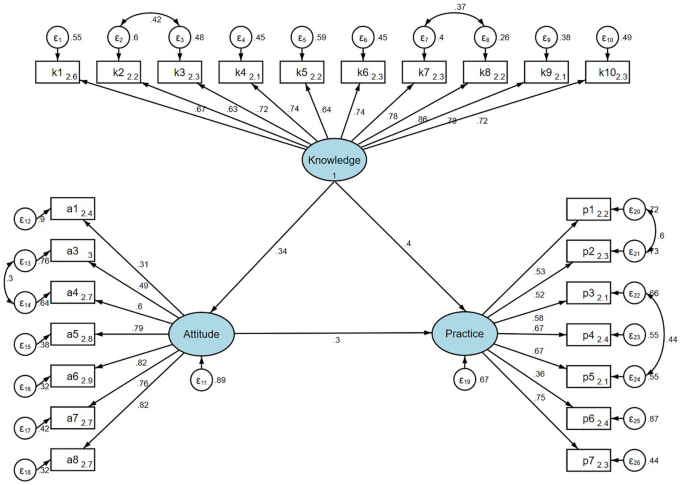
Physicians managing gastrointestinal disorders in Shanxi, China, display limited knowledge and suboptimal clinical practices regarding Helicobacter pylori antibiotic resistance, despite maintaining generally positive attitudes toward treatment. That is the finding of a multicenter cross-sectional study published by Nature on October 16, 2026. Conducted between August and October 2024 among 518 clinicians, the research exposes significant performance gaps among non-gastroenterology practitioners—particularly those in general medicine, internal medicine, pediatrics, and traditional Chinese medicine departments—threatening long-term patient outcomes such as gastric adenocarcinoma.
General Clinicians Lack Specialized Gastroenterology Knowledge
Clinicians outside specialized gastroenterology units demonstrate markedly lower familiarity with evolving treatment guidelines and resistance mechanisms. Researchers identified specific deficiencies in managing pediatric cases and selecting alternative antibiotic regimens for penicillin-allergic patients. Multivariable analyses indicate that working in internal medicine, general medicine, pediatrics, or spleen and stomach departments independently correlates with lower odds of reaching predefined knowledge thresholds. Clinicians who reported no prior training dedicated to the infection scored lower across evaluation metrics, showing that targeted education improves clinical preparedness.
Senior Physicians Show Lower Attitude Scores than Juniors
An unexpected structural pattern emerged regarding professional seniority among the evaluated cohort. Senior physicians paradoxically registered lower attitude scores compared to their junior counterparts. The data suggests that experienced clinicians, having completed their core training prior to modern antimicrobial stewardship initiatives, may rely more heavily on personal judgment or feel pessimistic regarding refractory cases. This divergence manifests in clinical scenario analyses. A subset of senior attending and chief physicians in tertiary hospitals select non-standard regimens containing gentamicin, combined with amoxicillin, when antimicrobial susceptibility testing is unavailable.
Unanswered Questions in Regional Practice
While the study confirms the presence of a clear knowledge-practice gap, several variables remain unquantified. The cross-sectional design and reliance on self-reported questionnaires leave open the possibility of social desirability bias influencing reported attitudes. The study did not investigate whether low awareness stems from a lack of individual motivation or institutional barriers to information access. Future longitudinal research is required to determine the exact mechanisms driving lower scores among senior staff and non-specialist departments. Medical institutions addressing these gaps will likely need to integrate comprehensive antimicrobial stewardship training directly into continuing education and postgraduate curricula to align clinical practice with regional resistance patterns.